Full Analysis Summary
UK farm inheritance change
The UK government has raised the inheritance tax threshold for agricultural assets from £1 million to £2.5 million.
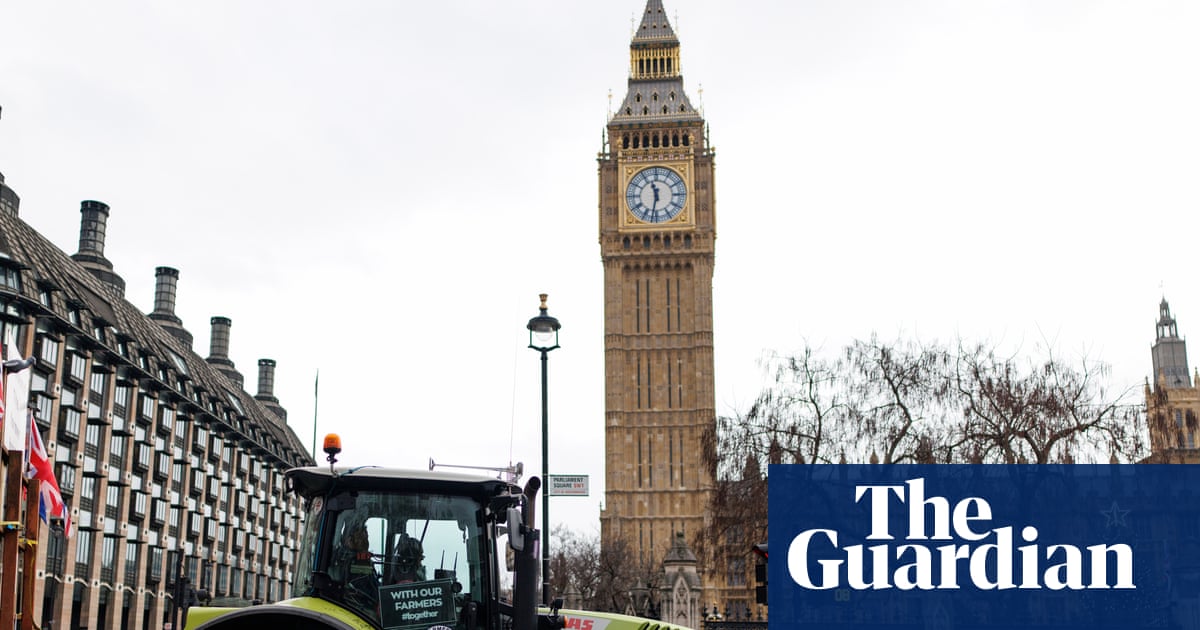
The change will take effect in April 2026 after sustained campaigning and protests by the farming community.
Officials had originally proposed a 20% tax on inherited farm assets above £1 million.
Ministers raised the threshold to £2.5 million, and Environment Secretary Emma Reynolds said this would protect more ordinary family farms while still asking larger estates to contribute more.
The shift followed mass farmer protests and a government‑commissioned report that said farmers were "bewildered and frightened" by the original proposals.
Coverage Differences
Emphasis and level of detail
The three sources emphasise different facets of the change: The Guardian (Western Mainstream) highlights the political pressure and financial mechanics — noting the move was made “quietly” before Christmas and giving detailed figures on affected estates and Treasury impact; Countryfile (Other) focuses on the protests, the government‑commissioned report and Emma Reynolds’s protective framing; Eastern Daily Press (Other) stresses practical timing and transferability, stating the change takes effect in April 2026. Each source reports the same core facts (threshold raised to £2.5m, original 20% proposal, Emma Reynolds’s quotes), but they differ in which consequences and numbers they foreground.
Farm inheritance tax changes
Under the revised measures the tax would still apply to larger estates, but the individual threshold is now £2.5m and is transferable between spouses or civil partners, allowing couples to shield up to £5m in qualifying agricultural or business assets.
The original plan—described as removing IHT relief for farms over £1m—would have meant a 20% tax on many family farms.
The change reduces the number of estates affected next year, with The Guardian giving a cut from 375 to 185, and it alters the government's revenue profile.
Defra and farming groups welcomed the move as protecting ordinary family farms, even as projected receipts and costs were updated.
Coverage Differences
Financial detail and impact
The Guardian provides granular financial projections and numbers — including the reduction in affected estates (from 375 to 185), the combined £5m shielding for married couples, and estimated Treasury impacts — whereas Countryfile mentions the tax rate and protective framing without those revenue or estate-count figures. Eastern Daily Press emphasises transferability and the explicit up-to-£5m sheltering point and notes timing and political resistance. These differences reflect The Guardian’s focus on fiscal detail (Western Mainstream) versus the other outlets’ focus on protest context and practical rules (Other).
Campaign driving policy change
The policy U‑turn followed a sustained campaign that included mass protests, high‑profile supporters and warnings from MPs and campaign groups that the original £1m threshold risked forcing family farms to be sold.
Countryfile notes public demonstrations and a government report that left farmers 'bewildered and frightened'.
The Guardian reports that campaigners and nearly a dozen Labour MPs warned the threshold could force sales and prompted claims about terminally ill farmers.
The Eastern Daily Press records NFU president Tom Bradshaw calling the change a 'huge relief' after 14 months of campaigning.
That mix of grassroots protest, parliamentary pressure and industry lobbying is the consistent causal thread across the sources.
Coverage Differences
Source tone on protests and impact
Countryfile (Other) foregrounds the emotional response captured in the government report — farmers were “bewildered and frightened” — and mentions high-profile supporters like Jeremy Clarkson; The Guardian (Western Mainstream) emphasises political pressure from rural MPs and campaigners and reports warnings that farms could be forced to sell and claims involving terminally ill farmers; Eastern Daily Press (Other) highlights organised industry response and leadership commentary, quoting NFU president Tom Bradshaw calling the move a “huge relief.” Each source reports protest-driven pressure but differs in tone: Countryfile stresses fear and bewilderment, The Guardian stresses political consequences and vivid warnings, and Eastern Daily Press highlights organised lobbying and relief expressed by industry figures.
Farm policy change coverage
Government spokespeople framed the change as a compromise balancing protection for family farms with fairness to larger estates.
Emma Reynolds was widely quoted saying the adjustment would protect ordinary family farms while asking larger estates to contribute more, and Defra and farming groups welcomed the change.
The Eastern Daily Press reported that Chancellor Rachel Reeves resisted a full U‑turn but ministers adapted the policy under pressure.
Across sources, ministerial language was conciliatory, farming bodies sounded assertive, and outlets providing fiscal detail were analytical.
Coverage Differences
Attribution and political context
Countryfile (Other) quotes Environment Secretary Emma Reynolds directly about protecting family farms and mentions the government‑commissioned report as key context; The Guardian (Western Mainstream) reports that Defra and farming groups welcomed the move and offers detailed fiscal framing; Eastern Daily Press (Other) adds political nuance by noting Chancellor Rachel Reeves had resisted a full U‑turn. The sources consistently attribute the change to government response to pressure, but they vary in how much political backstory and attribution they include.
Estate tax concession coverage
Despite the concession, some uncertainty and limits remain.
Sources note that tax will still apply to larger estates.
The Guardian quantifies the expected fiscal outcome, while Eastern Daily Press and Countryfile focus on the campaign and emotional impact that prompted the change.
Coverage is consistent that the change narrows the policy’s scope and offers immediate relief to many family farms.
However, it remains unclear how the policy will behave over the next years and how many estates will ultimately be affected as valuations and rules evolve.
Coverage Differences
Uncertainty and forward-looking focus
The Guardian (Western Mainstream) supplies figures about projected receipts and costs, giving a clearer sense of fiscal trajectory; Eastern Daily Press (Other) flags that “some tax will still apply to larger estates” and highlights the NFU’s relief; Countryfile (Other) highlights the psychological and protest drivers behind the change. The result is complementary coverage: financial projection and counts (The Guardian), practical rule implications and industry reaction (Eastern Daily Press), and contextual reporting on farmer fear and protest (Countryfile).