
UK Judge Convicts Palestine Action Activists In Filton 4 Case Over Elbit Systems Protest
Key Takeaways
- Four Palestine Action activists convicted as terrorists for Elbit Systems protest in Filton 4 case.
- UK counter-terrorism powers applied to protest actions, leading to imprisonment.
- Rights groups condemn the use of anti-terror laws against protest movements.
Filton 4 Terror Case
Britain’s use of counter-terrorism law against pro-Palestine activists is at the center of the Filton 4 case, after a UK judge convicted four Palestine Action activists and sentenced them to prison for their involvement in a direct action protest at a factory operated by Elbit Systems, Israel’s largest weapons manufacturer.
“At a moment when Israel and its leaders stand accused before international courts of genocide, war crimes and crimes against humanity, Britain has chosen to direct some of its most powerful legal tools not at those enabling the destruction of Gaza, but at activists protesting against it”
The Al Jazeera account frames the sentencing as a shift in how Britain treats resistance to Israel’s actions, saying Britain has chosen to direct “some of its most powerful legal tools” not at those enabling the destruction of Gaza, but at activists protesting against it.

The Mondoweiss account says the raid took place in August 2024 in Filton, UK, and it “reportedly caused £1.2 million in damages,” with the activists arrested on-site.
Mondoweiss also says the activists were convicted as terrorists and that Palestine Action members Charlotte Head and Leona Kamio were sentenced to 6 years, less 45 days, while Fatema Zainab Rajwani was sentenced to 5 years and 8 months, less 45 days.
In the same Mondoweiss account, Samuel Corner was sentenced to eight years and eight months, including an additional sentence for grievous bodily harm without intent, after the jury found him guilty of criminal damage and grievous bodily harm without intent.
Appeal, Arrests, and Quotes
The dispute over Palestine Action’s terrorism ban continued after the Filton 4 sentencing, with the Guardian reporting that on Monday five court of appeal judges ruled that a ban on the organisation was lawful, reversing a high court’s February judgment.
Huda Ammori, described by the Guardian as Palestine Action’s co-founder, said she was disappointed but remained confident of victory, telling reporters: "I'm certain that legally we are correct that this ban is disproportionate to free speech and the right to protest."
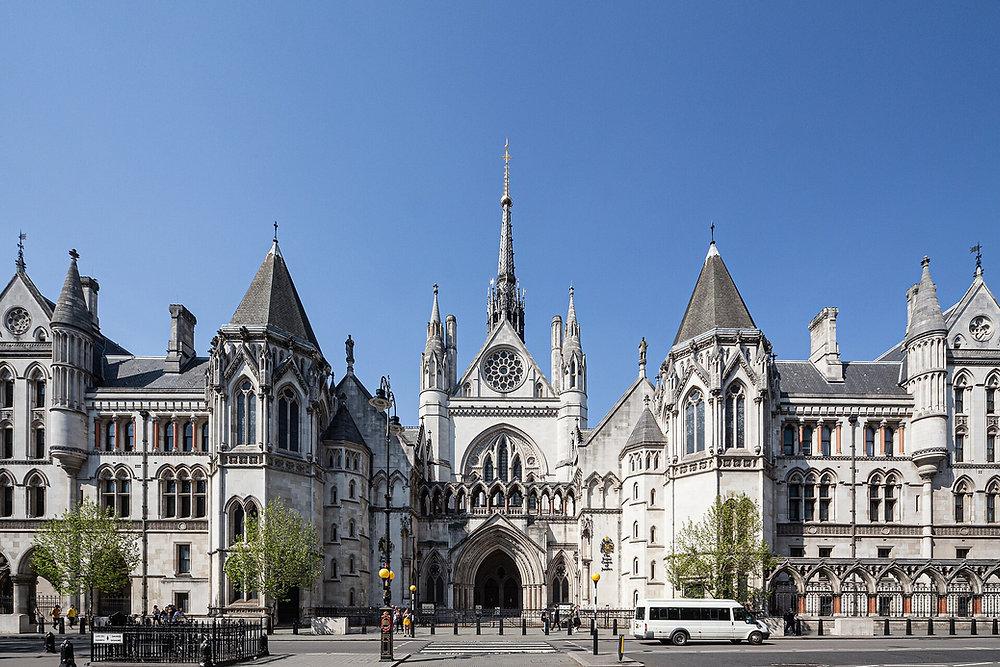
The Human Rights Research Center account says the UK Court of Appeal upheld the government’s decision to ban Palestine Action after classifying it as a terrorist organization, reversing a February 2026 High Court judgment that had found the proscription unlawful.
HRRC also says the Court of Appeal decided the Home Secretary was entitled to consider the benefits of proscription, including whether the ban would give police additional tools to disrupt Palestine Action’s activities, finances, and public support, and it held the ban was a justified and proportionate interference with rights under Articles 10 and 11.
HRRC further states that under the Terrorism Act 2000, membership of a proscribed organization, inviting support for it, or displaying representative articles can all be considered criminal offenses, and it says membership is currently punishable by up to 14 years in prison.
What’s at Risk Next
The legal consequences described by HRRC extend beyond the ban itself, because it says more than 700 cases are pending in the criminal courts of England and Wales, with many more at the pre-charge stage, while prosecutions linked to expressions of support for Palestine Action may continue.
“On June 12, 2026, a UK judge at Woolwich Crown Court convicted four Palestine Action activists as terrorists and sentenced them to prison for their involvement in a direct action protest at a factory operated by Elbit Systems, Israel’s largest weapons manufacturer, which reportedly caused £1”
HRRC also says Ammori intends to continue the legal challenge, including by seeking to appeal to the UK Supreme Court and potentially the European Court of Human Rights, and it quotes her saying, "We will not stop fighting to overturn one of the most extreme attacks on free speech and the right to protest in modern British history."
Al Jazeera places the stakes in a broader political context, arguing that Britain’s debate on Palestine has increasingly moved away from Gaza itself and toward those speaking about Gaza, and it says the case forces Britain to confront a contradiction about why opposition increasingly attracts the language of extremism and terrorism.
Al Jazeera adds that the activists’ protest was explicitly connected to opposition to Britain’s relationship with companies involved in supplying the machinery of a war that legal experts, human rights organisations and genocide scholars have described as genocidal.
In the same Al Jazeera framing, it warns that the danger lies not simply in any individual prosecution but in the cumulative effect such developments have on democratic culture, as suspicion can evolve into allegations of extremism and activism can be treated as a matter of security.
More on Britain

King Charles Publishes Personal Tax Bill to Enhance Transparency of Royal Finances
11 sources compared
Police Scotland Investigate Anti-Muslim Attacks in Edinburgh After Five Men Injured
10 sources compared

East Midlands Railway Trains Collide Near Bedford, Killing Driver and Injuring Dozens
12 sources compared

Two East Midlands Railway Trains Collide Near Bedford, England, Killing Driver and Injuring 100
32 sources compared