Britain23 December, 20252 min read
U.K. Jury Convicts Two Men Over Plot to Massacre Hundreds of Jews
This article is an automated aggregation of coverage from news outlets. Our editorials offer in-depth analysis curated by the NewsCord team.
Walid Saadaoui and Amar Hussein convicted of preparing terrorist acts targeting Manchester's Jewish community Plot intended to kill hundreds with automatic firearms at a Jewish community gathering
13 outlets told this the same way.
Outlets did split on UK Police Charge Teddy Young With Spying For Foreign Power, Royal Navy Member →
Conviction over terror plot
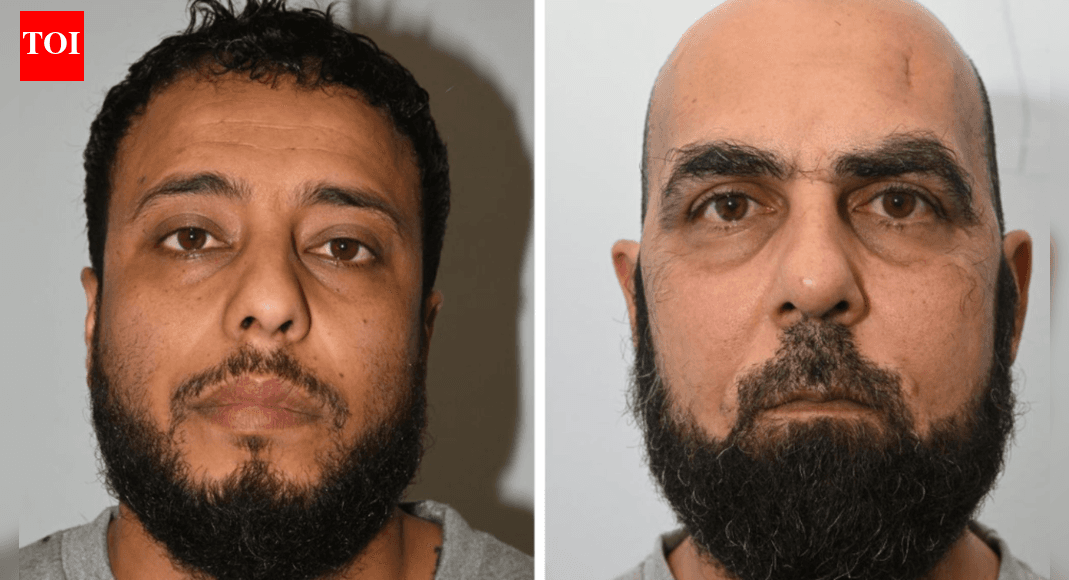
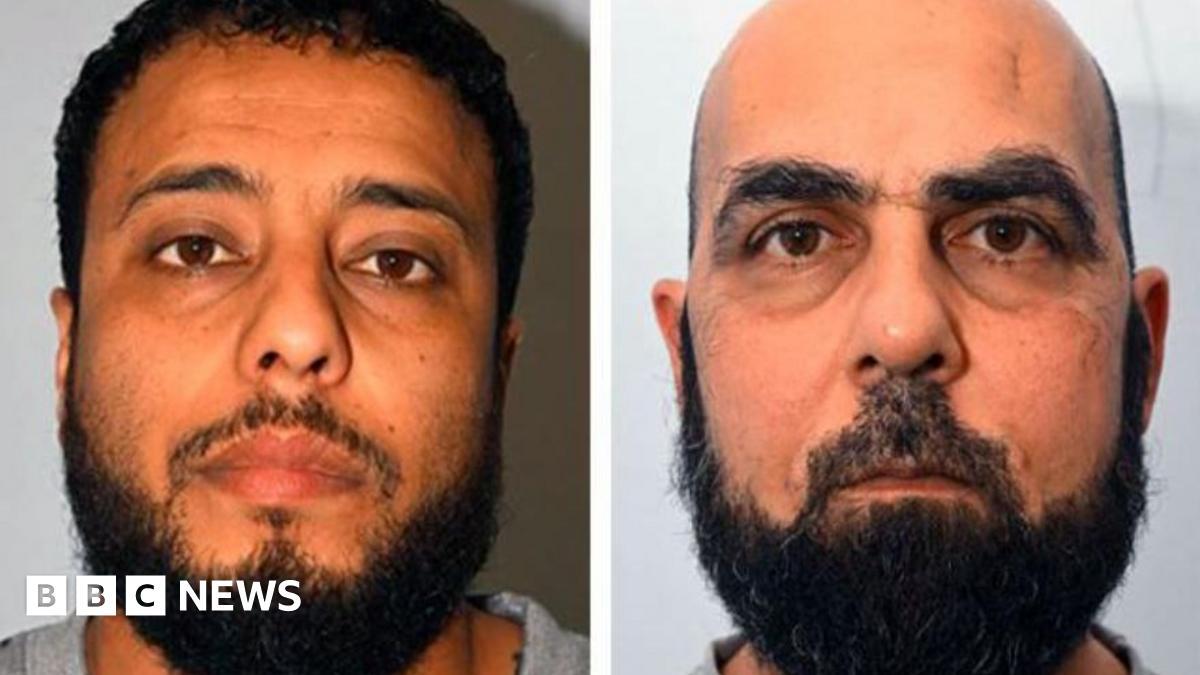
A U.K. jury has found two men guilty of plotting an Islamic State–inspired mass shooting intended to kill hundreds in the Jewish community around Manchester after a 10-week trial. Ringleader Walid Saadaoui, 38, and Amar Hussein, 52, were convicted after jurors deliberated for two days.
“Two men have been convicted at Preston Crown Court for plotting an Islamic State-inspired terror attack on Jewish people in Manchester. Ringleader Walid Saadaoui, 38, and Amar Hussein, 52, were found guilty after a 10-week trial; it took a jury two days to reach verdicts.”
Prosecutors say the plan targeted community gatherings and contemplated a 'last stand' at a military base. Authorities described the conspiracy as aiming at mass civilian casualties and as part of a wider resurgence of threat from Islamic State–linked networks.
Alleged militarised attack plot
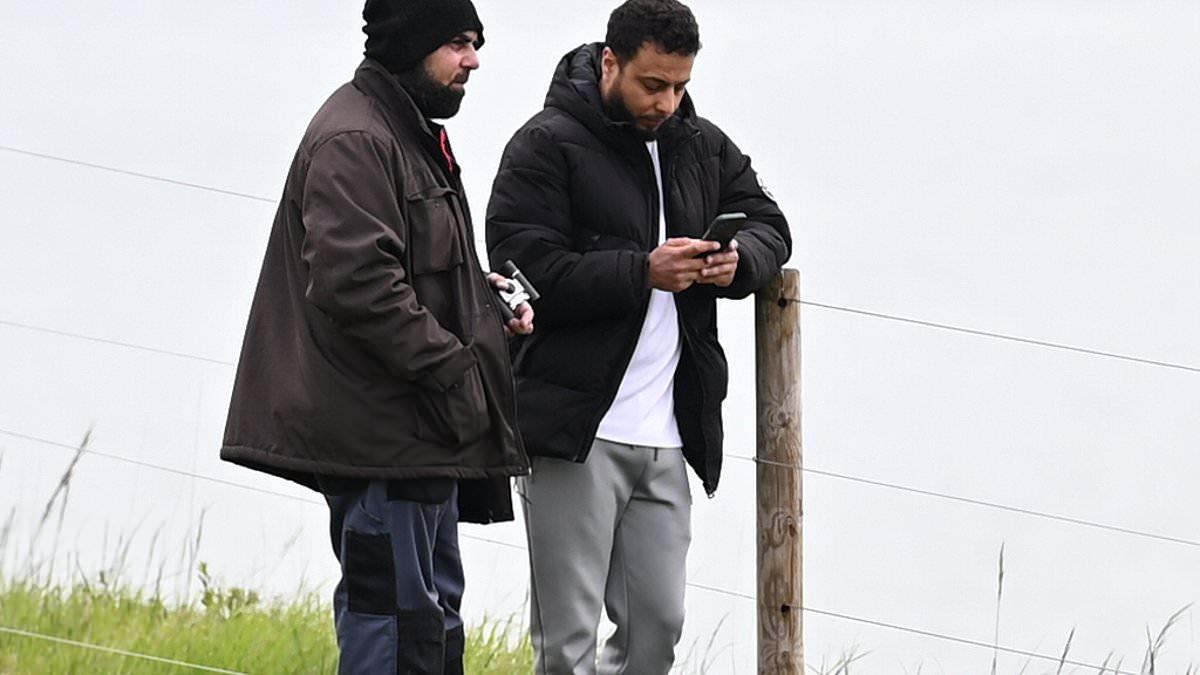
Prosecutors and police described a highly militarised plan; officers found weapons and ammunition when Walid Saadaoui was arrested in May 2024 and said further firearms and rounds had been smuggled or arranged. Surveillance and intercepted communications allegedly showed reconnaissance in Jewish neighbourhoods, the use of a rented safe house, research into smuggling routes, and even discussions that at one point considered poisoning children. Media reports differ on precise quantities and weapon types but agree the conspirators intended a mass-casualty attack.
Undercover operation summary
Reporting across outlets highlights the undercover infiltration that exposed the conspiracy. An operative publicly identified as "Farouk" posed as a like-minded extremist, collected admissions, and passed intelligence to counter-terrorism officers; some accounts say he even avoided using a weapon in staged harm to ensure the investigation could proceed. Prosecutors and police praised the operation as high-risk and decisive in preventing what senior officers described in court as potentially the country's deadliest attack.
“An undercover operative known as ‘Farouk’ infiltrated the group, passed intelligence to counter-terrorism officers and helped foil the plot.”
Convictions and Jewish community response
The convictions amplified fear and calls for reassurance within the Jewish community and prompted political and law‑enforcement responses. Local attendees told courts the plot left people very, very fearful. The plot prompted some to mask Jewish identity in public.
Community leaders and Greater Manchester police condemned the plot as hatred toward our Jewish community. The Crown Prosecution Service credited the undercover work with saving lives. National commentators and international outlets framed the verdict as a reminder of domestic antisemitic terrorism.
Some observers said it signaled IS‑linked networks attempting to export violence. Others described the case as evidence of successful policing.