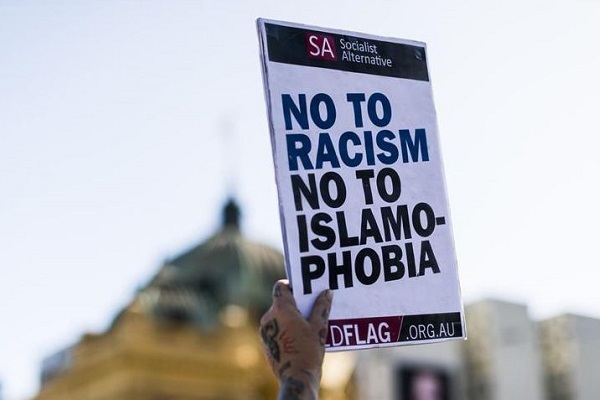
Full Analysis Summary
UK Efforts Against Anti-Muslim Hate
UK lawmakers have intensified calls for a government definition of Islamophobia amid a sharp rise in anti‑Muslim hate crimes.
A group of 40 Labour and independent MPs, led by Afzal Khan, wrote to Housing Secretary Steve Reed urging formal adoption of a definition.
They called it an important step to tackle discrimination and hatred against Muslim communities.
The backdrop is stark: in 2025, 45% of religious hate crimes in the UK targeted Muslims, a 19% year‑on‑year increase and a 92% rise since 2023.
In response to rising incidents, the government convened a working group in February to craft a non‑statutory definition addressing prejudice and hate against Muslims or those perceived as Muslim.
Coverage Differences
tone/narrative
خبرگزاری بین المللی قرآن (West Asian) foregrounds the MPs’ action and frames adoption as an 'important step' against discrimination, emphasizing community protection. The Guardian (Western Mainstream) centers statistical severity and institutional response, citing the 45% share of religious hate crimes and the formation of a government working group. Arab News (West Asian) echoes the MPs’ call and stresses a 'rising' surge in anti‑Muslim hate crimes, aligning urgency with the proposed definition.
missed information
خبرگزاری بین المللی قرآن (West Asian) reports the MPs’ letter but does not mention the government’s February working group or the 45% statistic, which The Guardian (Western Mainstream) details alongside the non‑statutory scope. Arab News (West Asian) mentions the surge (19% and 92% rises) but provides less procedural detail about the government’s formation of the group than The Guardian.
Government Response to Anti-Muslim Prejudice
The government’s response centers on an expert working group chaired by former attorney general Dominic Grieve KC.
This group has submitted a report proposing a non-statutory definition to address prejudice and hate against Muslims or those perceived as Muslim.
The proposal is expected to go to public consultation.
MPs and signatories are urging adoption during Awareness Month in November.
Membership has included civil society figures such as Akeela Ahmed and Shaista Gohir.
This underscores an attempt to balance legal, community, and policy expertise.
Coverage Differences
missed information
The Guardian (Western Mainstream) provides granular process details — chairmanship by Dominic Grieve KC, inclusion of Akeela Ahmed and Shaista Gohir, report submission, and an upcoming public consultation — while خبرگزاری بین المللی قرآن (West Asian) does not mention the working group at all in its snippet. Arab News (West Asian) describes the group as independent and notes Akeela Ahmed’s role and the November timing but does not mention the planned public consultation flagged by The Guardian.
tone/narrative
Arab News (West Asian) frames the working group as 'independent' and solution‑oriented to counter 'rising anti‑Muslim hate crimes,' while The Guardian (Western Mainstream) emphasizes procedural legitimacy and breadth of expertise, listing specific names and steps like consultation. خبرگزاری بین المللی قرآن (West Asian) keeps the focus on parliamentary pressure rather than the consultative policy process.
Defining and Protecting Muslim Rights
Debate over the definition also turns on law and free speech.
Under current law, Islam is protected as a religion, but Muslims are not recognized as a racial group, which limits protections against racial discrimination.
Supporters say the definition can help address this gap.
Some critics worry a definition could restrict criticism of Islam.
However, reporting indicates the proposal is designed to protect freedom of expression while tackling anti‑Muslim prejudice.
Proponents highlight that the definition targets discrimination against Muslims or those perceived as Muslim, aligning it with existing equality aims.
Coverage Differences
narrative
The Guardian (Western Mainstream) underscores both the legal gap — Muslims not recognized as a racial group — and reassurances that the definition is 'designed to protect freedom of expression.' Arab News (West Asian) highlights supporters’ argument about the Equality Act gap and explicitly notes critics’ fears it could limit free speech, without the Guardian’s explicit reassurance. خبرگزاری بین المللی قرآن (West Asian) focuses on combating 'discrimination and hatred' and does not discuss free‑speech safeguards or Equality Act mechanics.
missed information
Arab News (West Asian) and The Guardian (Western Mainstream) both address the Equality Act context and free speech debate, while خبرگزاری بین المللی قرآن (West Asian) omits these legal and speech‑related contours, sticking to the MPs’ demand and its stated purpose.
Political Debate on Islamophobia
The political backdrop is contested.
The Labour Party and other political groups have already adopted a working definition linking Islamophobia to racism.
The Conservative-led government has not adopted this definition, citing a lack of broad acceptance.
Ministers say the working group’s recommendations are under review and a response will follow.
MPs are pushing for adoption during Islamophobia Awareness Month in November.
They point to a 19% annual rise and a 92% surge since 2023 as evidence of urgency.
Campaigners like Afzal Khan stress the need to counter growing far-right rhetoric.
A cross-party letter signed by 40 MPs amplifies pressure on Housing Secretary Steve Reed to move swiftly.
Coverage Differences
tone/narrative
The Guardian (Western Mainstream) details institutional positioning — Labour’s adoption, Conservative resistance, ministerial review, and the far‑right rhetoric context — presenting a process‑focused narrative. Arab News (West Asian) underscores urgency and the scale of the surge, reiterating that Conservatives did not adopt previous definitions and calling for November adoption. خبرگزاری بین المللی قرآن (West Asian) centers the 40‑MP letter as an immediate push without elaborating on party‑by‑party history or ministerial review.
missed information
خبرگزاری بین المللی قرآن (West Asian) does not cover the parties’ past positions or the government’s stated rationale for non‑adoption, which both The Guardian (Western Mainstream) and Arab News (West Asian) include. The Guardian adds the government review timeline and far‑right context, not explicitly present in Arab News or خبرگزاری between these snippets.