Sudan12 December, 20252 min read
UK Sanctions Four RSF Commanders, Including Deputy Abdel Rahim Hamdan Dagalo, Over El-Fasher Massacres and Systematic Sexual Violence
United Kingdom sanctioned four senior RSF commanders, including deputy Abdel Rahim Hamdan Dagalo Targeted for mass killings, systematic sexual violence, and deliberate attacks on El-Fasher civilians
15 outlets told this the same way.
Outlets did split on Air Strike Destroys Two WFP Trucks Carrying Food for 5,800 People in South Kordofan →
UK sanctions on Sudan commanders
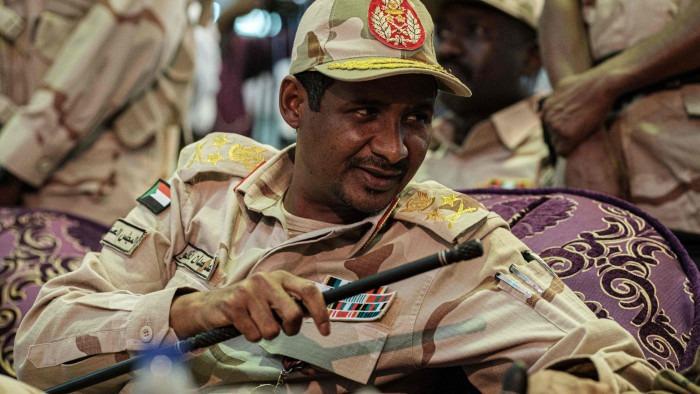
On 12 December the UK announced sanctions — asset freezes and travel bans — on four senior commanders of Sudan's Rapid Support Forces (RSF): deputy leader Abdul Rahim Hamdan Dagalo (brother of RSF leader Mohamed "Hemedti" Dagalo), Gedo Hamdan Ahmed, Al-Fateh Abdullah Idris and Tijani Ibrahim Moussa Mohamed. British ministers accused the men of "grave breaches" and "heinous" acts, including mass killings, systematic sexual violence and deliberate attacks on civilians in and after the RSF's seizure of El-Fasher. The measures were presented alongside an increased UK humanitarian package intended to help survivors and vulnerable communities in Darfur.
“The UK has imposed sanctions on four senior commanders of Sudan’s Rapid Support Forces (RSF) over documented atrocities in El Fasher, North Darfur.”
Evidence for alleged abuses
UK authorities and human-rights groups cited multiple categories of evidence to justify the designations. Satellite imagery and on-the-ground photos reportedly show mass graves and burned victims. Social-media and video footage reportedly depict commanders celebrating or committing killings.
NGO reports document widespread sexual- and gender-based violence. UK statements, quoted in several outlets, described the abuses as including mass executions, starvation and the use of rape as a weapon. Prosecutors and investigators are said to be using these different evidence streams in briefings and reports.

UK Sudan aid details
The UK paired sanctions with additional humanitarian funding, but outlets report slightly different figures. Several outlets say the UK pledged an extra £21 million — bringing total UK spending on Sudan this year to about £146 million — while at least one report records the additional package as £20 million. Officials framed the aid as targeted at food, shelter, health services and protection for women and children in hard-to-reach areas.
“The government also pledged an extra £21 million for food, shelter, health services and protection for women and children in hard-to-reach areas.”
Humanitarian and political context
The coverage highlights the wider humanitarian and political context. Outlets repeatedly note an 18-month siege of El-Fasher that culminated in an RSF seizure of the city on 26 October.
UK briefings cited very high casualty estimates, with MPs told figures as high as 60,000 killed, and the UN warned about famine and mass displacement. Several articles warned the war, which began in April 2023, risks regional escalation and involves multiple alleged external support channels.
RSF support and sanctions
Reporting diverges on external support, accountability and political response. Some outlets underline allegations that the Rapid Support Forces (RSF) received backing from the United Arab Emirates and highlight calls for broader sanctions. Other outlets note denials and the United Kingdom’s cautious diplomatic choices.
“London stopped short of sanctioning RSF chief Hemedti or naming the United Arab Emirates as a backer, opting for a diplomatic rebuke and private pressure.”
The Guardian and İlke cite wider allegations of UAE support and multiple arms routes into Sudan. The Peninsula records Darfur governor Minni Minawi urging that Hemedti himself be sanctioned.

Al Jazeera and other outlets note the United States sanctioned Colombian recruiters but did not sanction the UAE company alleged to have facilitated deployments. The UAE denies backing the RSF.