Sudan06 February, 20262 min read
UK Sanctions Sudanese Armed Forces Commanders and RSF Leaders for War Crimes and Rape
This article is an automated aggregation of coverage from news outlets. Our editorials offer in-depth analysis curated by the NewsCord team.
UK sanctioned six senior commanders from the Sudanese Armed Forces and RSF Individuals accused of committing atrocities, mass killings, forced displacement, and supplying mercenaries and weapons
8 outlets told this the same way.
UK sanctions on Sudan commanders
The UK on Thursday imposed sanctions on six people it says are suspected of committing atrocities or fuelling Sudan’s war, targeting senior commanders in both the Rapid Support Forces (RSF) and the Sudanese Armed Forces (SAF). British authorities described the measures as immediate and aimed at disrupting the networks that sustain the conflict; multiple outlets report the sanctions freeze assets and name commanders and international enablers. Coverage across regional and international outlets consistently frames the action as a targeted effort to hold leaders and facilitators to account while pressing for a ceasefire and humanitarian access.
“Britain imposed sanctions on six people it says are suspected of committing atrocities in Sudan’s war or of fueling the fighting by supplying mercenaries and military equipment. The measures target senior commanders in both the Rapid Support Forces (RSF) and the Sudanese Armed Forces.”
Named targets and allegations
Multiple reports name the principal targets and the allegations attached to them. RSF field commander Hussein Barsham is singled out in several outlets. Abu Aqla/Abu Agla Mohamed Kaikal, with spelling variations across reports and also reported as a leader of the Sudan Shield Forces, is identified as linked to the SAF.
Mustafa Ibrahim Abdel Nabi Mohamed is described as an RSF financial advisor or as the director of the UK‑sanctioned Alkhaleej Bank Co Ltd suspected of financing RSF operations. The UK also designated three Colombians accused of recruiting fighters for the RSF: Claudia Viviana Oliveros Forero, Mateo Andres Duque Botero and Alvaro/Alvaro Andres Quijano Becerra.
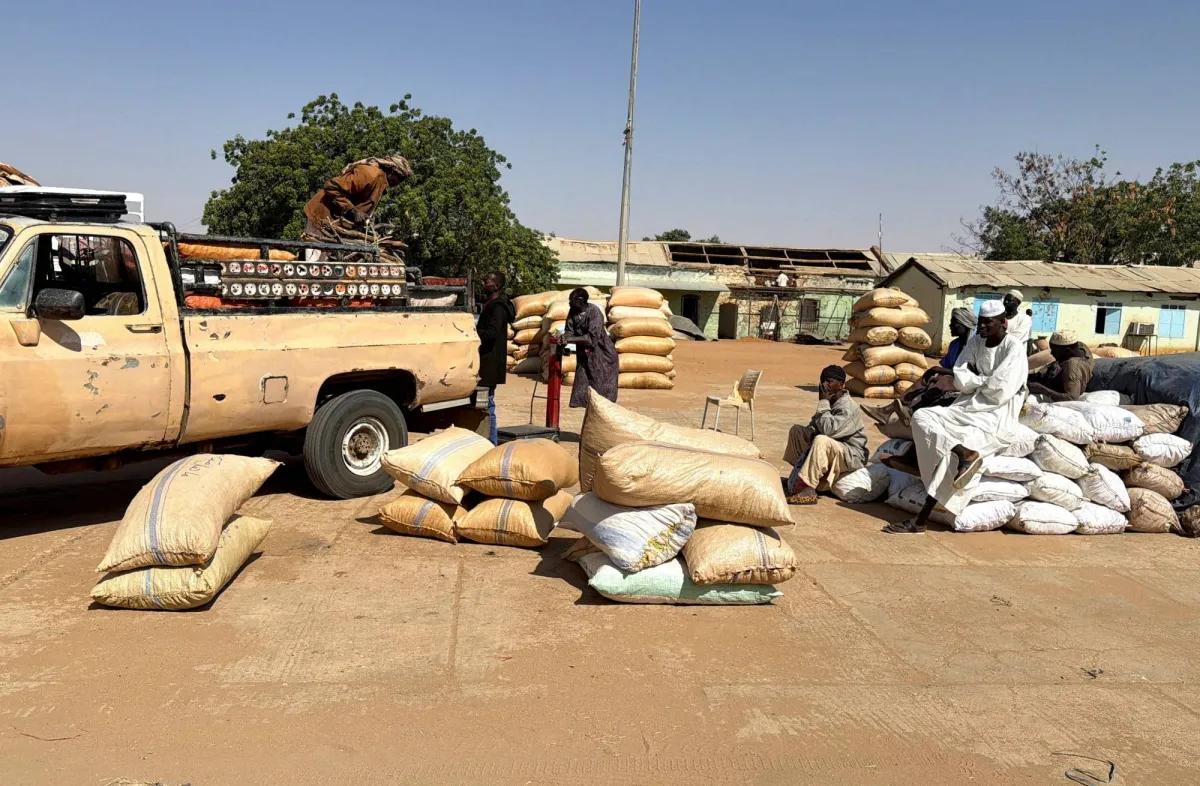
UK sanctions on Sudan
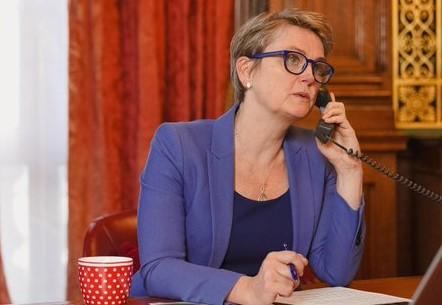
UK officials and reporting outlets say the sanctions are designed to dismantle Sudan's war machine by weakening the financial and logistical networks that sustain violence. Several reports quote government language that the measures aim to dismantle the war machine and to ramp up pressure ahead of the UK's upcoming UN Security Council presidency. British foreign officials, including Yvette Cooper, urged an immediate ceasefire and unfettered humanitarian access after visiting refugees at the Chad border.
“The measures take effect immediately and are billed as part of the UK’s effort to ‘dismantle Sudan’s war machine’ and to ramp up pressure ahead of its upcoming UN Security Council presidency.”
Enablers and funding networks
Several outlets emphasize the international enablers and financiers singled out: three Colombians are reported to have been designated for recruiting ex-Colombian soldiers to fight for the RSF, and at least one banking executive (Mustafa Ibrahim Abdel Nabi Mohamed) is accused of financing RSF operations through Alkhaleej Bank.
Reporting thus pairs battlefield allegations—mass atrocities, ethnic violence, and attacks on farming communities—with accusations about the commercial and recruitment networks that sustain the conflict.

Sanctions and humanitarian response
Reporting situates the sanctions amid a worsening humanitarian crisis and a broader diplomatic response. Outlets report calls for a ceasefire and for unhindered humanitarian access.
“The crackdown comes amid a deepening humanitarian crisis — famine thresholds in parts of North Darfur, more than 11 million displaced — underscoring that while sanctions signal accountability, immediate relief and an end to the fighting remain urgent.”
They note displacement and famine thresholds in parts of Sudan and flag parallel aid pledges such as the UAE's $500 million. Some pieces stress legal accountability and asset freezes, while others foreground human stories and the consequences of sexual violence and displacement recounted by refugees at border crossings.