Business09 October, 20253 min read
UK Water Companies Force Millions to Pay Higher Bills After Watchdog Approves Hikes Up to 5%
This article is an automated aggregation of coverage from news outlets. Our editorials offer in-depth analysis curated by the NewsCord team.
Five water companies won provisional approval to raise bills 1% to 5% above Ofwat limits. The Competition and Markets Authority rejected nearly 80% of requested price increases.

17 outlets told this the same way.
Outlets did split on CATL Starts Trial Production at Debrecen Battery Cell Plant in Hungary →
UK Water Bill Increase Decision
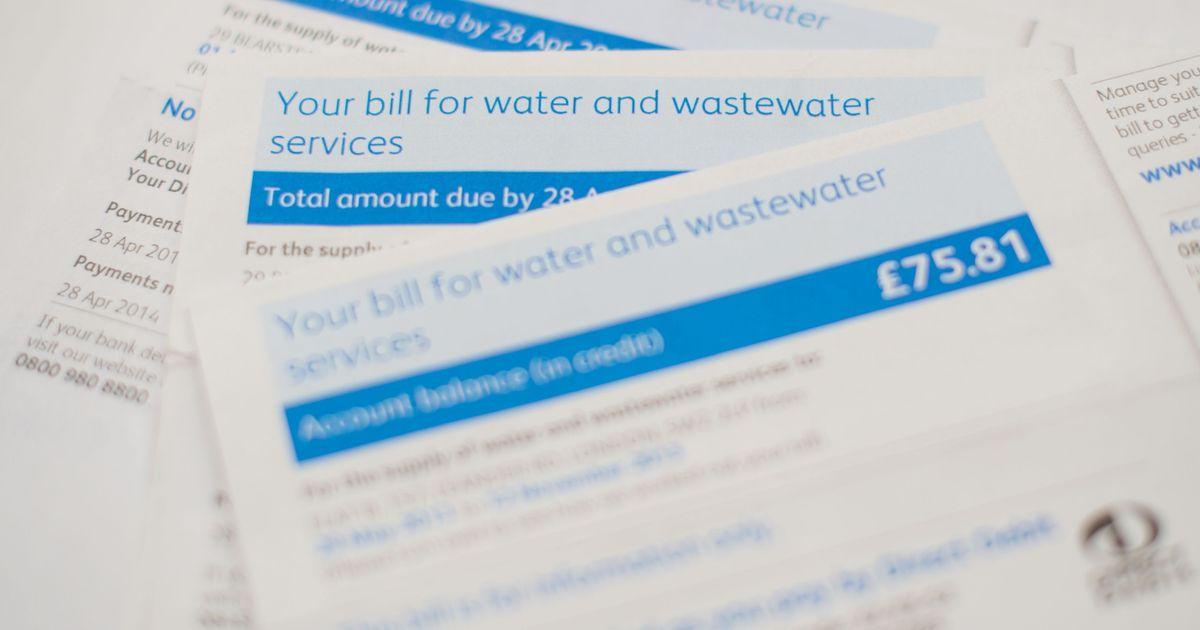
The UK Competition and Markets Authority (CMA) has provisionally allowed five water companies—Anglian, Northumbrian, South East, Southern, and Wessex Water—to increase bills by an extra 1% to 5% beyond Ofwat’s controls. The CMA approved £556 million out of the £2.7 billion the companies requested. Coverage consistently notes the appeal-led decision is only a fraction of the ask and adds around a 3% average uplift on top of prior increases.
“Five water companies—Anglian Water, Northumbrian Water, South East Water, Southern Water, and Wessex Water—have been provisionally allowed by the Competition and Markets Authority (CMA) to increase their bills by an additional 1 to 5 percent beyond the limits set by regulator Ofwat.”
However, sources differ on the scale of those earlier allowances. Several outlets also disagree on how many customers are affected, with some putting the figure at 14.7 million and others saying roughly seven million or “over seven million,” highlighting inconsistencies in reach and framing. Overall, reports characterise the CMA as largely rejecting the companies’ attempts to significantly raise charges while trying to balance household pressures with infrastructure needs.
Water Companies Revenue Increases
Company-by-company, the CMA’s provisional ruling grants Anglian and Northumbrian an extra 1%, Southern 3%, South East 4%, and Wessex 5%. This translates to £556 million in total extra revenue out of £2.7 billion sought. Several outlets add that Wessex faces the largest additional hike, while Anglian and Northumbrian see the smallest.
Some coverage further contextualises the impact with headline bill figures, such as annual bills reaching £638 for certain households. It also notes that some companies already have steep five‑year rises planned, like Southern Water’s 53%.

Water Company Price Increase Debate
The companies argued that Ofwat’s allowances were insufficient to meet regulatory obligations and environmental standards. They pressed for billions more in funding, but the CMA mostly rejected these requests as unjustified. Several outlets reported that the watchdog aimed to balance household budget pressures with funding for resilience, pollution reduction, and rising financing costs.
“The companies had appealed to raise charges beyond Ofwat’s limits, citing the need to meet environmental standards.”
Other sources emphasized that the panel allowed modest uplifts mainly to reflect higher investor returns amid elevated interest rates. Coverage also features a heated debate about whether shareholders, rather than bill-payers, should absorb the costs. Industry figures defended the price rises, while critics pointed to controversies involving sewage and bonuses.
Household Cost Increases
For households, the impact is twofold: an average extra charge of roughly £1 per month and a cost-of-living squeeze that some say could worsen as headline bills climb—reaching as high as £638 for certain customers. Many vulnerable consumers still miss out on support. Consumer groups warn further rises are unwelcome and urge checks for social water tariffs, which can cut bills by about £160 per year.
Energy arrears and prices continue to increase. Several outlets therefore frame the decision as financially sensitive for millions already facing strains.

Water Sector Reforms and Oversight
The ruling occurs amid broader instability in the water sector. Thames Water has paused its appeal while addressing its debt issues. Ministers are signaling plans for stricter oversight of the industry.
“Thames Water initially joined the appeal but later withdrew.”
Some reports mention proposals to replace Ofwat, create nine local water authorities, and establish a new ombudsman. Government officials emphasize that investment should focus on infrastructure rather than bonuses. Public frustration continues over sewage problems and service failures.
Not all media outlets provide the same level of detail about the reforms. Even ministerial statements vary in their naming and specificity of the proposed changes.