Ukraine War25 November, 20253 min read
Ukraine Accepts Core Terms of U.S.-Backed Peace Deal With Russia
This article is an automated aggregation of coverage from news outlets. Our editorials offer in-depth analysis curated by the NewsCord team.
Ukraine agreed to core terms of a U.S.-brokered peace proposal U.S. draft was trimmed from 28 points to roughly 19 points, removing amnesty provision
46 outlets told this the same way.
Outlets did split on Russian Attack Kills At Least 33 On Two Buses In Kramatorsk →
Ukraine peace framework
Multiple Western and international outlets reported that Ukraine accepted the core terms of a U.S.-backed peace framework after intensive Geneva talks.
“Umerov said Kyiv expects European support and plans a visit by President Zelensky to the US to complete final steps with President Trump.”
Ukraine’s national security secretary Rustem Umerov said delegations reached a 'common understanding on the core terms.'
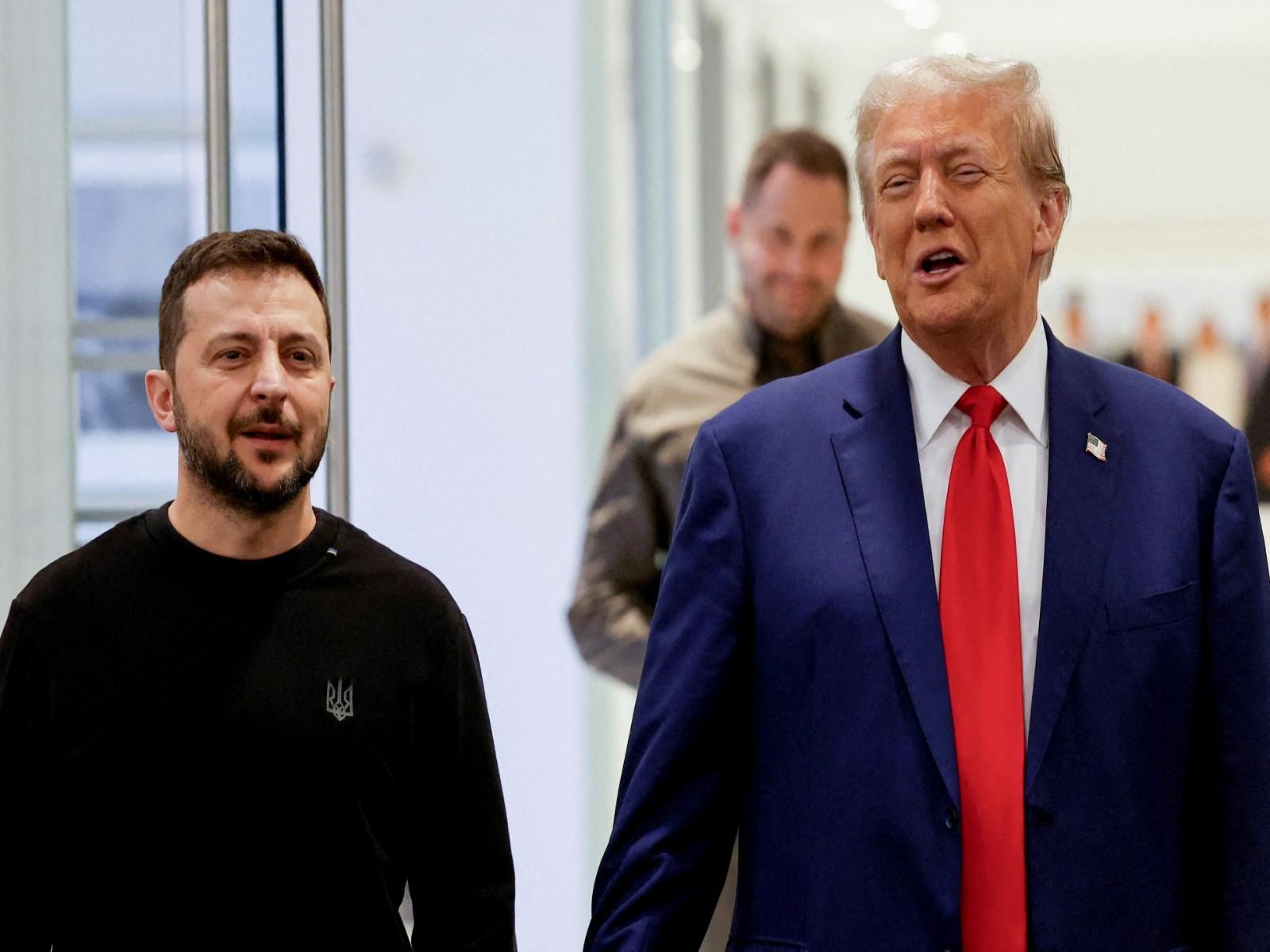
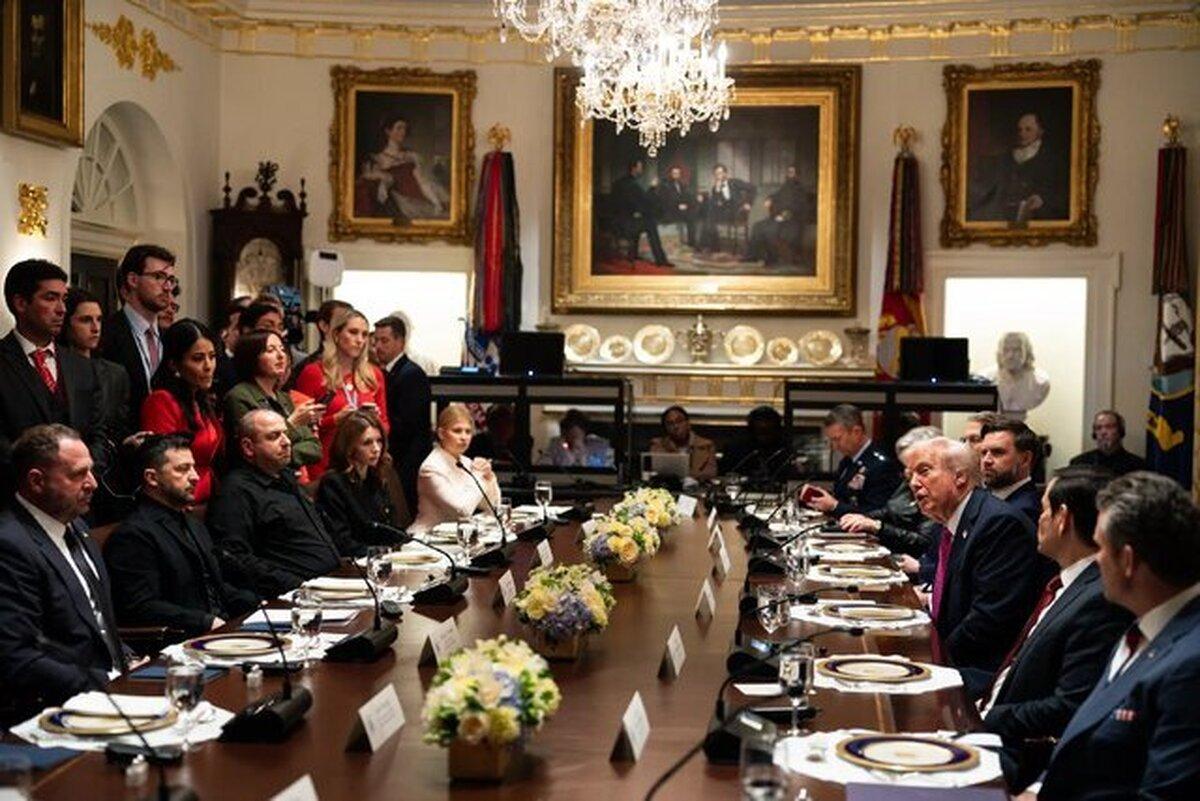
U.S. officials told media that only 'minor details' remain and said President Volodymyr Zelenskyy may visit the United States to finalize the agreement with former President Donald Trump, while outlets also reported follow-up negotiations between U.S. and Russian delegations in Abu Dhabi.
Reports describe the proposal as a revised version of an earlier U.S. 28-point draft, pared down in Geneva and presented as a 19-point framework that Kyiv signaled it could accept in principle.
U.S. draft revisions
Reporting across outlets describes the U.S. draft as significantly revised in Geneva. Several sources say an initial 28-point plan was pared down to about 19 points and that some controversial provisions — such as wartime amnesty and explicit limits on the size of Ukraine’s armed forces — were removed or softened.
Some accounts attribute the changes to intensive diplomacy and to Kyiv securing adjustments it had previously opposed. Multiple reports emphasize that the most sensitive matters — territory, NATO aspirations and force posture — remain contested and may be left for leaders to resolve directly.

Diplomatic talks update
Multiple accounts describe continued shuttle diplomacy: Geneva talks between U.S., Ukrainian and European delegations were followed by U.S.-Russian contacts in Abu Dhabi, where U.S. Army Secretary Dan Driscoll was reported to have met Russian representatives as part of follow-up discussions.
“U.S. officials say a U.S. delegation is negotiating in Abu Dhabi with a Russian team as the Trump administration pushes to finalize a U.S.-crafted peace plan to end the war in Ukraine.”
U.S. sources told outlets the Abu Dhabi meetings aimed to sell or negotiate the revised U.S. framework with Moscow.
Russian officials said they had not yet been formally briefed on the Geneva changes and expected the U.S. to contact them.
Reporting emphasizes the talks involve a mix of political and military figures and that progress remains contingent on Moscow's response.
Ukrainian leadership responses
Ukrainian leadership responses and public posture vary across reports. Rustem Umerov is widely cited thanking U.S. delegations and President Trump and saying Kyiv achieved a common understanding on core terms.
At the same time, several outlets emphasize President Zelensky’s caution, reporting that he said the revised plan has fewer points and many of the right elements but that significant work and unresolved issues remain, and that Kyiv has not issued an unequivocal public signature. Some sources record contradictory or corrective accounts from Kyiv, noting that officials stress any territorial issues must be settled at the presidential level and that Kyiv has not formally accepted certain previously reported concessions.

European responses to Ukraine crisis
European leaders and analysts reacted cautiously, with some urging guarantees and warning against territorial concessions decided by force. UK and EU officials have been reported organising allied backing and contingency planning, including discussions about a possible peacekeeping force.
“British Prime Minister Keir Starmer convened 36 countries to discuss the peace process and preparations for a potential peacekeeping force, stressing that Ukraine’s sovereignty must be respected and that Europe/NATO issues require their members' consent.”
EU institutions and leaders stressed that borders cannot be changed by force and that Ukraine's right to choose its future must be respected. Reporting across outlets noted continued fighting and fresh strikes even as diplomacy moved forward, underlining that any final deal's durability will depend on enforceable guarantees and Moscow's willingness to accept terms.