Full Analysis Summary
British Spy Arrest in Ukraine
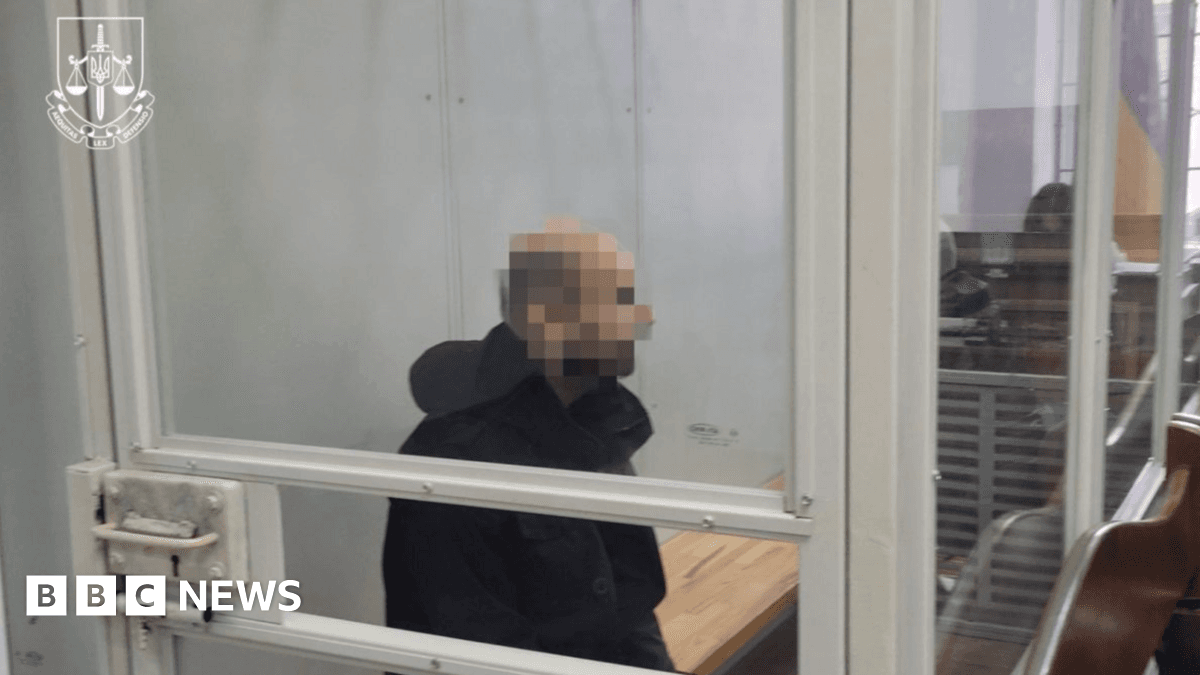
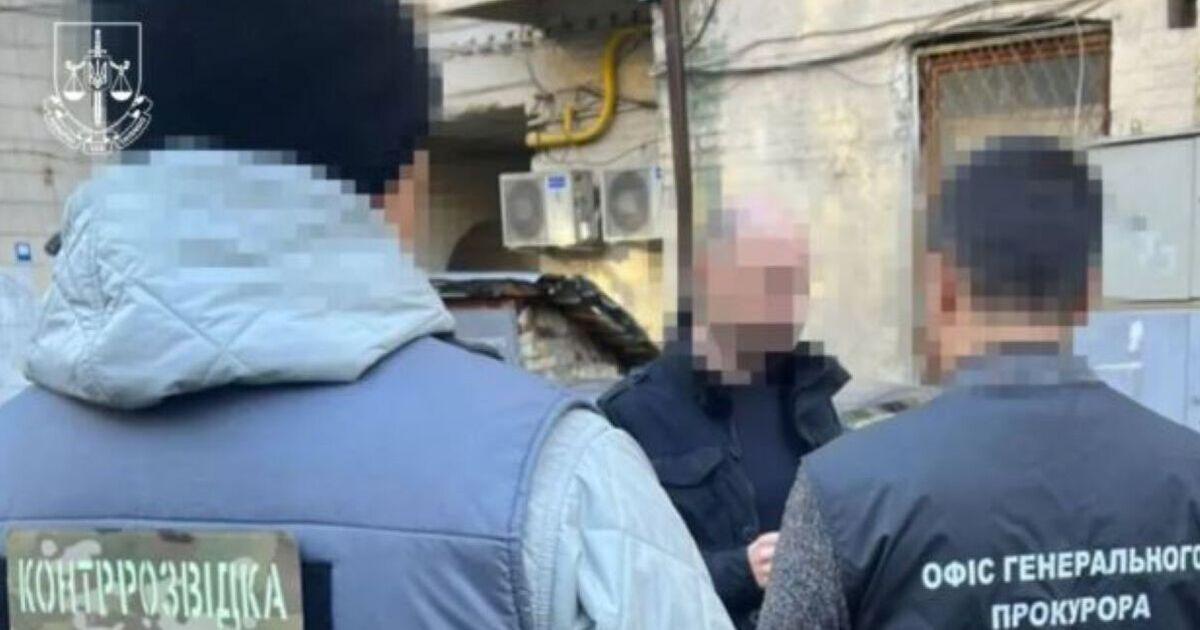
Ukrainian authorities detained a British national in Kyiv on charges of spying for Russia and preparing terrorist attacks.
He arrived in January 2024 to work as a military instructor.
Reports indicate he trained personnel in Mykolaiv and later moved on, with some sources saying he joined a border unit or relocated to Odesa before his arrest.
Prosecutors and Ukraine’s security services allege he passed sensitive military information to Russian intelligence in exchange for money and received instructions on making explosives.
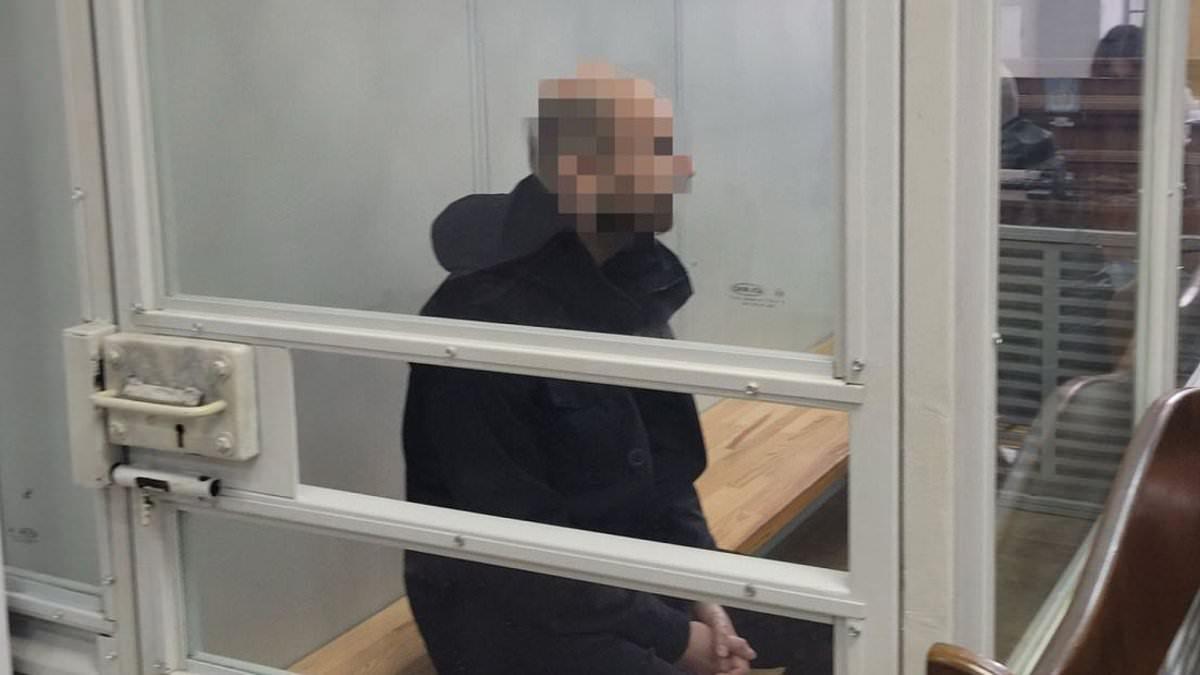
He is being held without bail amid a pre-trial investigation and could face up to 12 years in prison.
Several reports note that the UK government is aware of the situation and is in contact with Kyiv.
Some sources call this the first known case of a British national charged with espionage in Ukraine.
Coverage Differences
narrative
BBC (Western Mainstream) emphasizes the legal process and anonymity, stating the suspect’s “identity [is] protected” and that he is being held without bail during a pre-trial investigation, whereas The Mirror (Western Tabloid) highlights the sensational angle, calling this the “first known case of a British national charged with espionage in Ukraine.” Sky News (Western Mainstream) foregrounds the specific charge under martial law carrying up to 12 years, while London Evening Standard (Local Western) underscores detention without bail and the UK government’s awareness.
missed information
The Independent (Western Mainstream) and The Mirror (Western Tabloid) explicitly frame it as the first known British espionage case in Ukraine, which BBC and Sky News do not assert. This introduces a scope marker some outlets omit.
timeline/location emphasis
Sky News (Western Mainstream) reports he joined a border unit after Mykolaiv, while The Mirror (Western Tabloid) and Evrim Ağacı (West Asian) stress a move to Odesa before the arrest—showing differing emphases on his trajectory prior to detention.
Alleged Military Intelligence Leak
Investigators allege the man provided sensitive military information to Russian intelligence.
This information included locations of Ukrainian units, photos of training areas, personnel details, and data about foreign military advisers and training center locations.
Multiple outlets report that he offered his services through pro-Kremlin online groups and was compensated for his tasks.
The payments are reported as around $6,000 for one task or over £5,000 in total.
Reports also indicate he attempted to access military units and discussed the use of explosives while gathering intelligence on facilities.
Coverage Differences
specificity of intelligence
The Straits Times (Asian) stresses information about “foreign military advisers and army training center locations,” whereas BBC (Western Mainstream) and The Independent (Western Mainstream) focus on Ukrainian unit locations, photos, and personnel details—showing different emphases on the scope of the leaked intelligence.
payments framing
Payment reporting varies: The Independent (Western Mainstream) cites “$6,000 for one task,” Evrim Ağacı (West Asian) says “around $6,000,” and Daily Express US (Western Tabloid) reports “over £5,000,” illustrating currency and precision differences across regions and formats.
method of contact
Sky News (Western Mainstream) and London Evening Standard (Local Western) report he offered services via pro-Kremlin online groups and received instructions from the FSB, while BBC (Western Mainstream) summarizes broader contact with “Russian spies,” indicating varied levels of detail on how the link was established.
Alleged Terror Plot Details
Ukrainian security services say the FSB provided instructions for manufacturing explosives.
They also directed the suspect to retrieve a pistol, ammunition, and other weapons from hidden caches.
Authorities allege he was preparing terrorist attacks.
Some outlets add that he discussed improvised explosive devices and took weapons from a cache.
One report further alleges he stole weapons.
Collectively, the allegations depict a transition from espionage to operational planning involving explosives and clandestine weapons access.
Coverage Differences
tone and severity
Sky News (Western Mainstream) uses direct language about “preparing terrorist attacks” and details a pistol and ammunition from a cache, while BBC (Western Mainstream) emphasizes procedural claims like instructions on IEDs and weapons taken from a cache—both severe, but BBC frames it within allegations. Daily Mail (Western Tabloid) escalates by adding he is accused of “stealing weapons,” intensifying the portrayal.
attribution of instructions
The Independent (Western Mainstream) and London Evening Standard (Local Western) explicitly attribute instructions on making explosives to the Russian FSB, while BBC (Western Mainstream) uses the broader term “Russian spies,” illustrating different attribution precision.
terminology (SSU vs SBU)
Sky News (Western Mainstream) refers to the Security Service of Ukraine as SSU, while London Evening Standard (Local Western) and Daily Mail (Western Tabloid) call it SBU. This is a naming convention difference rather than a substantive contradiction.
Suspect's Movements and Timeline
Accounts differ on the suspect’s movements and the timeline of alleged activities.
Several outlets say he trained in Mykolaiv after arriving in January 2024.
West Asian outlet Evrim Ağacı adds that by late 2024 he shifted to Odesa and began direct contact with an FSB handler, reporting espionage from May 2025 onward.
Other reports highlight he joined a border unit, or that he worked near Mykolaiv through September 2024, then moved to Odesa before his arrest at a temporary Kyiv residence.
Coverage Differences
timeline specificity
Evrim Ağacı (West Asian) provides a highly specific sequence—arrival in Jan 2024, shift to Odesa by late 2024, espionage from May 2025—while Daily Express US (Western Tabloid) narrows early activity to “January to September 2024” near Mykolaiv before Odesa, and Sky News (Western Mainstream) adds a stint in a border unit. These indicate differing granularity rather than direct contradictions.
location emphasis
The Mirror (Western Tabloid) focuses on Odesa as a key site of alleged intelligence activity, while Sky News (Western Mainstream) spotlights a border unit after Mykolaiv—showing variance in which postings are deemed most relevant.
arrest details
Multiple outlets report arrest at a temporary Kyiv residence; BBC (Western Mainstream) and Daily Express US (Western Tabloid) explicitly state this, while others simply note detention in Kyiv, reflecting minor variance in detail.
Details of Espionage Investigation
Legally, reports converge that he faces up to 12 years in prison and is held without bail.
The UK Foreign Office is in contact with Kyiv as the pre-trial probe continues under Ukraine’s security services.
Mainstream outlets describe an ongoing investigation led by the SBU/SSU.
Tabloids add broader espionage context inside the UK, such as separate arrests in London and a 17-year sentence for a man linked to Russian operatives.
The case is presented as part of a wider counter-intelligence clampdown.
Coverage Differences
scope and context
The Independent (Western Mainstream) and BBC (Western Mainstream) focus on the Ukrainian case and official process—detention without bail, Foreign Office contact—while Daily Mail (Western Tabloid) and The Mirror (Western Tabloid) broaden the frame by adding separate UK espionage cases, suggesting a larger trend.
agency naming and emphasis
Sky News (Western Mainstream) uses SSU, The Independent (Western Mainstream) and London Evening Standard (Local Western) say SBU/Security Service of Ukraine, reflecting style differences; London Evening Standard additionally highlights ongoing Russian efforts to recruit foreigners—context not foregrounded in BBC or Sky.
anonymity and court detail
BBC (Western Mainstream) notes the suspect appeared in court with identity protected, a procedural detail not mentioned by some tabloids, underscoring mainstream focus on legal safeguards.
