Sports20 February, 20262 min read
Ukraine Boycotts Milan-Cortina Paralympics Opening Ceremony After IPC Allows Russia and Belarus to Compete Under Their Flags
Ukraine's Paralympic team will boycott the Milano Cortina opening ceremony on March 6 IPC allocated ten slots to Russian and Belarusian athletes to compete under national flags
28 outlets told this the same way.
Outlets did split on Tonda Eckert Keeps Southampton Job After Six-Week Suspended Ban Over Spygate →
IPC invites Russia and Belarus
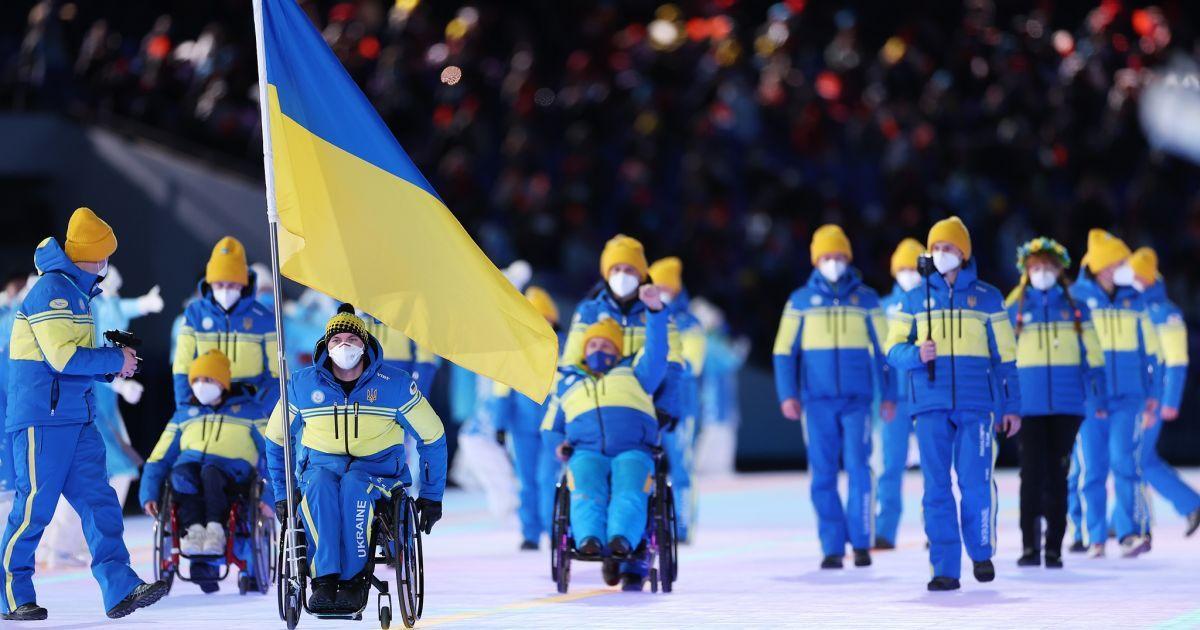
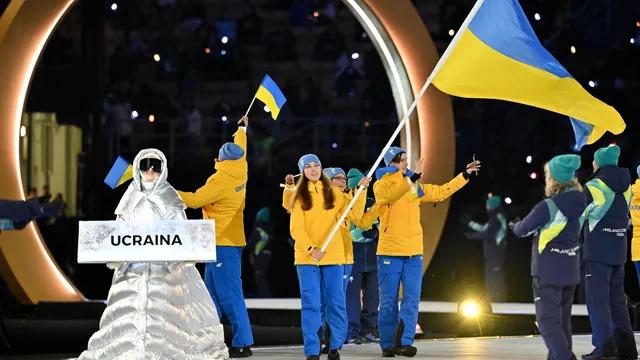
The International Paralympic Committee (IPC) awarded 10 bipartite quota places to athletes from Russia and Belarus — six Russians and four Belarusians — and allowed them to compete under their national flags at the Milano–Cortina 2026 Winter Paralympics. Ukraine announced a boycott of the opening ceremony in Verona on March 6 in response. Ukraine’s National Paralympic Committee called the decision “cynical,” demanded that the Ukrainian flag not be used at the ceremony, and said Ukrainian public officials will not attend.
“Ukraine’s Paralympic Committee called the move ‘cynical,’ insisted neither country went through qualification, demanded its flag not be used at the ceremony, and denounced Russia’s ‘horrific military aggression.’”
Ukrainian athletes are still expected to compete in events scheduled March 6–15. The IPC said it had lifted a broader suspension last September and issued the bipartite invitations across para‑alpine, para cross‑country and para‑snowboarding events.

Invitations for Russia and Belarus
Multiple reports described the allocation and composition of invitations, saying Russia received six places (two each in para‑alpine skiing, para cross‑country and para‑snowboarding) and Belarus four (all in cross‑country). The IPC said these were bipartite invitations after lifting a suspension in September, a reversal from earlier post‑invasion practice where athletes from the two countries competed only as neutrals at Paris 2024. The IPC defended the process as an internal decision; Russia criticized calls to keep it excluded, and Ukrainian officials said the athletes did not go through standard qualification procedures.
European reactions to decision
The decision produced a wave of diplomatic and organisational reactions across Europe. Ukraine and several national Paralympic committees announced boycotts of the Verona opening ceremony. The Czech committee joined Ukraine's protest.
“EU Sports Commissioner Glenn Micallef said he will skip the ceremony, Estonia’s Paralympic Committee condemned the decision and will not attend, Poland is considering a boycott, and Italy’s government has urged the IPC to reverse course.”
Countries including Poland, Lithuania and Estonia signalled refusal to attend or to send officials. EU Sports Commissioner Glenn Micallef said he would skip the ceremony.
Italy's government urged the IPC to reverse course. Some governments framed their action as solidarity with Ukraine; other actors framed it as defending sport's values.
Ukraine reactions to IPC decision
Within Ukraine, the reaction combined formal protest, media decisions and references to prior controversies. Ukraine’s Paralympic leadership and Sports Minister said officials will boycott the ceremony and demanded the Ukrainian flag not be used. The public broadcaster Suspilne said it would not air the opening ceremony but would transmit competitions on its sport channels.
Kyiv pointed to the disqualification of Ukrainian skeleton racer Vladyslav Heraskevych for intending to wear a memorial helmet as evidence of double standards by sports bodies. Kyiv framed the IPC move as a betrayal of values rather than a neutral sporting judgment.
Sports and geopolitics debate
The episode has reopened the wider debate over whether sport can be separated from geopolitics. Russia and its supporters argue sport should not be politicised and that banning disabled athletes is unfair, while Kyiv and allied governments say allowing national symbols risks normalising aggression.
“Russia has defended the decision as keeping sport separate from politics.”
The IPC described the decision as an internal, democratic process in some reports, and several sources highlight that the IPC is a distinct body from the IOC, a point drawn out by BBC reporting. Other commentators and national officials call for reversal or sanctions on the IPC decision.