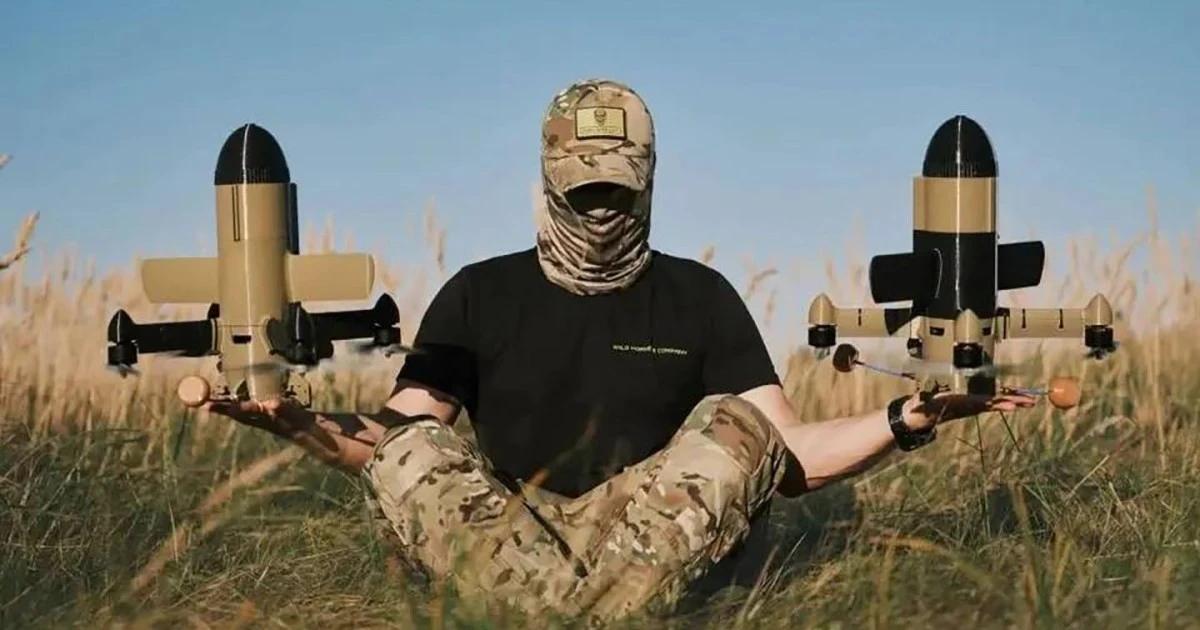
Ukraine Deploys Hornet Kamikaze Drone With Partial AI To Hit Russian Logistics Routes
Key Takeaways
- Ukraine deploys Hornet drone partially AI-guided against Russian logistics.
- The campaign targets Russian convoys to disrupt logistical routes.
- AI-assisted guidance marks a shift toward autonomous strike capability.
AI Hornet hits logistics
Ukraine has deployed the Hornet, a mid-range kamikaze drone partially guided by artificial intelligence, to target Russian logistics routes, with France 24 describing it as the “Martian-2” used on the Ukrainian front lines.
“War in Europe: Ukraine's drones desecrate Moscow's defensive sanctuary War in Europe: Russian missiles freeze Ukraine: "No forgiveness, no surrender" In recent days, thanks to videos posted daily on social media, we have seen a new type of camouflage still unseen in this war: white, thick stripes on Russian trucks and military vehicles”
France 24 reports the Hornet is built of polystyrene with a 2-metre wingspan, a range of more than 100 km, and a 4.5kg payload, and that it is launched using a catapult before flying on an electric propeller motor.
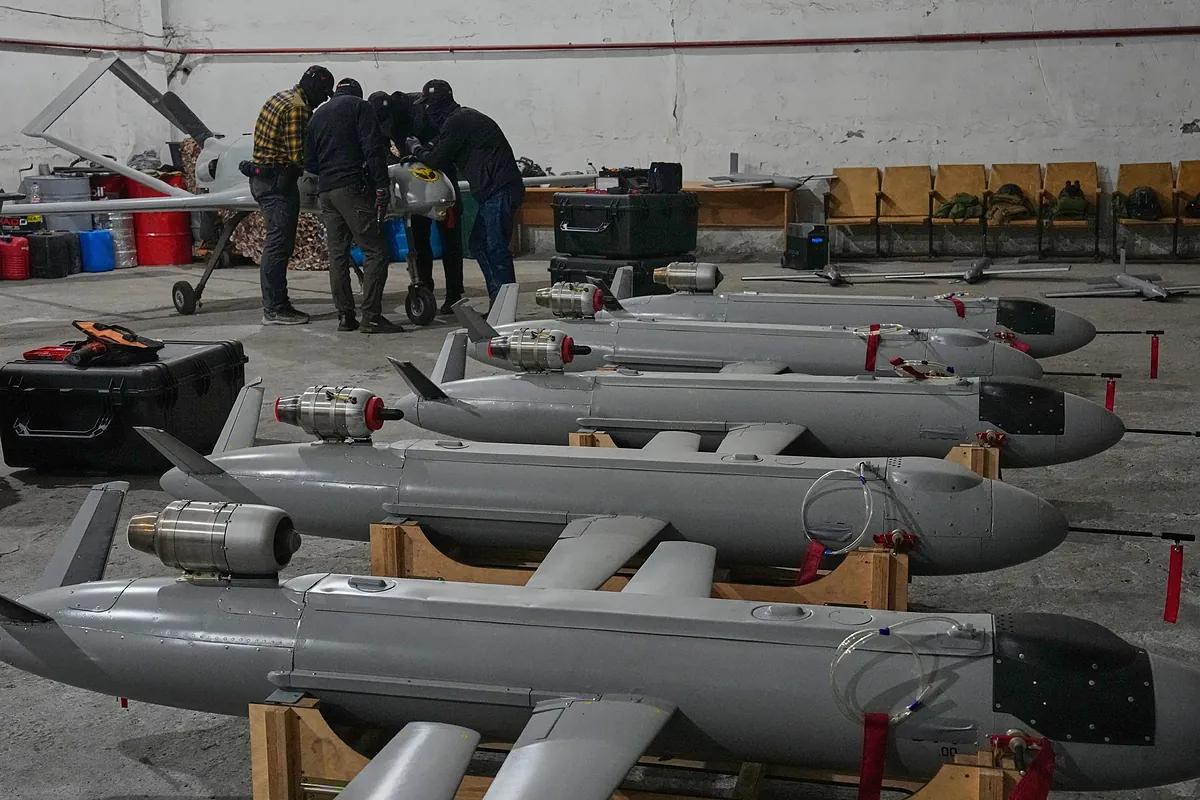
The same report says the drone is piloted using two cameras and that, once in Russian-occupied territory, it can apparently pilot itself using artificial intelligence to make it less vulnerable to Russian signal jamming.
On May 8, the Azov Brigade deployed a Hornet drone in the Ukrainian city of Mariupol, which is occupied by the Russians, flying over the edges of the city more than 100 kilometres from any Ukrainian positions.
Russia’s military blogger Alexander Kharchenko admitted on Telegram that Russian “logistics is seriously disrupted,” while France 24’s George Barros said the Hornet’s partial AI guidance allows it to independently select its target once it enters Russian territory.
Strikes, jamming, and debate
The Kyiv Independent described Ukraine’s new middle strike campaign as targeting Russian logistics traffic deep behind enemy lines, saying it began in earnest in early April and that strikes are typically defined as between 25 and 200 kilometers from the front lines.
In a complaint carried by the Kyiv Independent, Russian milblogger Victory Volunteers said, “They're just burning everything down,” adding, “How to deal with this? For now, there's no solution,” as Ukrainian drones hit Russian supply trucks and disrupt logistics.
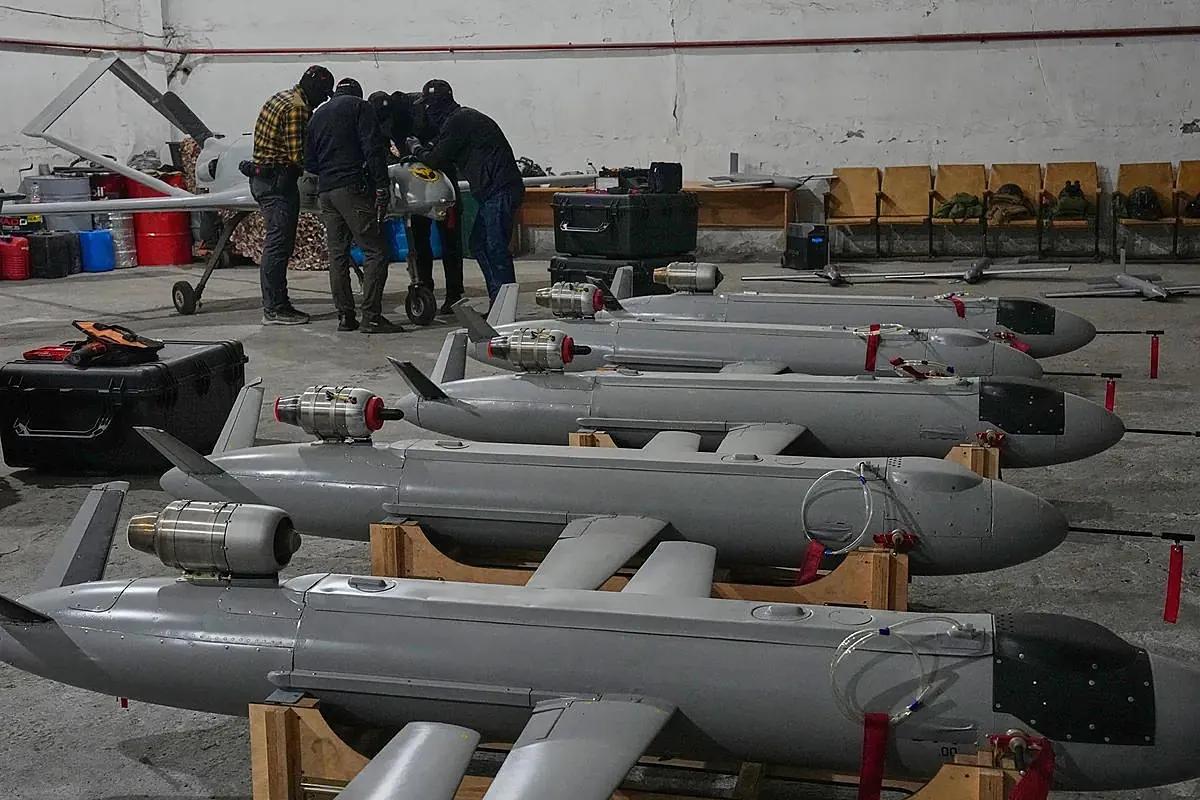
The Kyiv Independent also tied the campaign to Azov’s use of “Hornet” drones manufactured by ex-Google CEO Eric Schmidt’s Perennial Autonomy, and it said Azov added a Starlink satellite communications system to increase range and resistance against Russian jamming.
El Mundo America framed the Hornet’s threat as reaching 150 kilometers and said the drones have “artificial intelligence integrated to select the targets,” while also saying countermeasures like covering roads from Crimea to Mariupol with anti-drone nets are slow and costly.
El Mundo America added that the system relies on Palantir’s Prisma software, as revealed by CNN, and it quoted Michael Kofman saying, “time is no longer on Russia's side,” while cautioning it is “too early for that optimism.”
Threats to NATO and next moves
Moscow has raised its tone against Finland and the Baltic states, with the [https | West Asian] report saying Russia claims long-range Ukrainian drones use air corridors close to their airspaces to reach Russian targets around Ust-Luga and Primorsk.
“Ukraine: How a kamikaze drone partially operated by AI is attacking Russian convoys Drones piloted by artificial intelligence are now being deployed on the Ukrainian front lines, and while there has been much talk about them, there is still much that remains unknown”
The same report says Sergey Shoigu mentioned Article 51 of the UN Charter to justify a possible Russian right to self-defense, and it warns that NATO air forces face “more alerts, more interceptions, more sensors, more ground-to-air defense.”
In parallel, the report says Ukrainian drones have completed trajectories or crashed in Finland and the Baltic states after strikes toward Russia, including a Ukrainian AN196-type drone identified in Finland and two aircraft ultimately crashing in the Kouvola region.
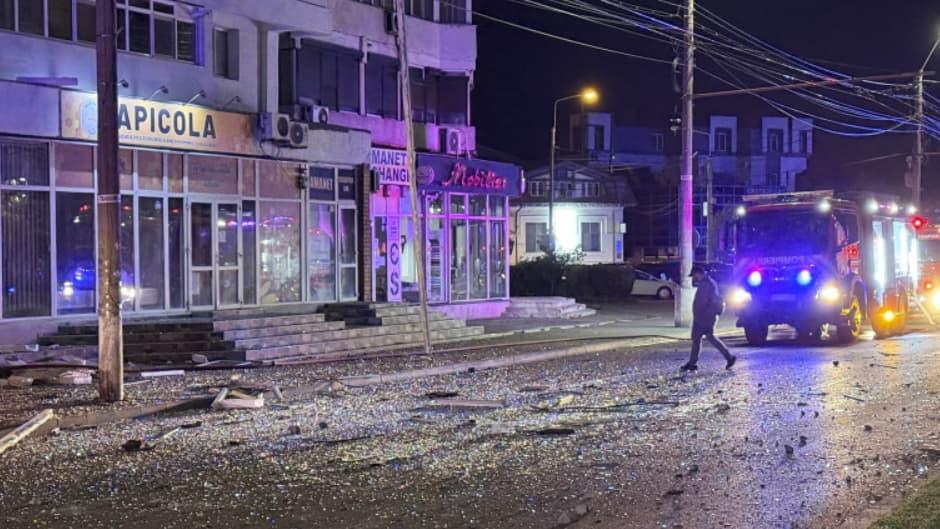
Quotidiano Nazionale reported that Dmitry Medvedev, vice chairman of the Security Council of the Russian Federation, criticized the EU and NATO reaction to a Russian drone crash in Romania and posted on X that “Citizens of EU countries, know that your authorities have unilaterally entered into war with Russia.”
Quotidiano Nazionale also said Medvedev told the EU to be “vigilant and do not be surprised by anything,” adding “The quiet sleep is over,” as the dispute over drone incidents and airspace access escalates beyond the battlefield.
More on Ukraine War

Ukrainian Drones Strike Saratov Oil Refinery, Lazarevo Pumping Station, Fuel Depot in Russia
28 sources compared
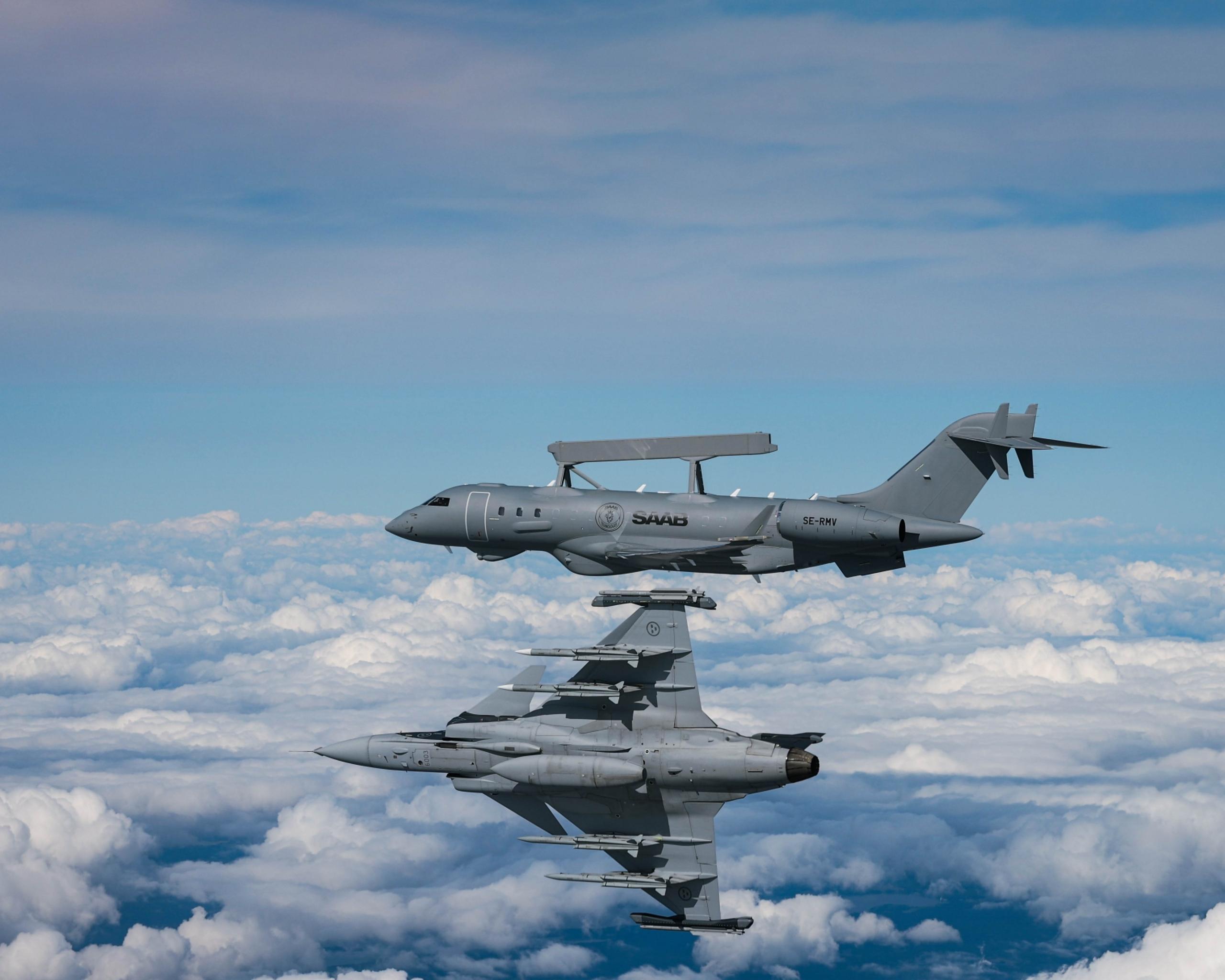
Sweden Donates 16 Gripen Jets to Ukraine as Zelenskyy Visits Uppsala Airbase
15 sources compared
Russian Drone Crashes Into Galați Apartment Building, Injuring Two, Romania Says
50 sources compared

Russia Launches Oreshnik Missile as 90 Missiles, 600 Drones Hit Kyiv
13 sources compared