Ukraine War16 February, 20263 min read
Ukraine Detains Former Energy Minister German Galushchenko Trying to Flee Over Money-Laundering Probe
This article is an automated aggregation of coverage from news outlets. Our editorials offer in-depth analysis curated by the NewsCord team.
German Galushchenko was detained while attempting to cross Ukraine's border NABU named him a suspect in the 'Midas' money‑laundering and kickback probe

16 outlets told this the same way.
Outlets did split on Russian Attack Kills At Least 33 On Two Buses In Kramatorsk →
Midas probe and detention
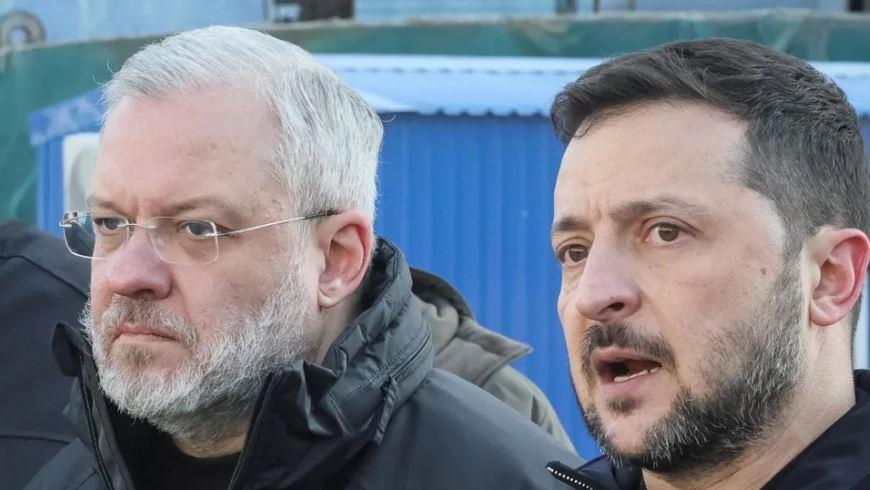
Ukrainian investigators say they detained former energy minister German Galushchenko on 16 February 2026 while he was trying to cross the border. He was named a suspect in the Midas money‑laundering probe the following day. Authorities reported finding significant sums linked to the case in family accounts.
“Ukrainian investigators on 16 February 2026 named former energy minister German Galushchenko as a suspect in a money‑laundering probe, a day after he was detained while trying to leave the country. Authorities say they found about $12 million in his family's bank accounts allegedly tied to kickbacks from contractors building fortifications to protect Ukraine’s energy infrastructure.”
The totals reported differ across outlets. France 24 says investigators found about $12 million in his family's bank accounts allegedly tied to kickbacks. NBC News and ThePrint report that more than $7 million was moved to foreign accounts in the names of his wife and children.

NABU and prosecutors (SAPO) are leading the probe and say initial investigative actions are underway. Galushchenko has resigned amid the wider scandal.
Midas probe allegations
The probe, widely reported as the Midas case, links alleged money‑laundering and kickbacks to state energy contracts and Energoatom, and investigators have named businessman Timur Mindich as a central figure in a scheme they describe as roughly $100 million. Al Jazeera, PressTV and Mathrubhumi report that SAPO/NABU allege Mindich led the operation and that Energoatom contractors were forced to pay bribes in the range investigators cite.
Several outlets note Mindich’s ties to political figures. Sources also say Mindich left Ukraine amid the scandal.
Allegations over energy contracts
Reports contradict each other on the mechanics prosecutors describe: some accounts emphasize funds routed to family accounts and elite schooling abroad, while others stress broader kickbacks and bribe rates. ThePrint and NBC News detail that "more than $7 million" was moved to accounts in the names of family members and used partly for Swiss schooling. Al Jazeera and PressTV emphasize contractor bribes of around 10–15% and link the flows to Energoatom contracts.
“Authorities say more than $7 million was routed to foreign accounts in the names of his wife and children (used for Swiss schooling and deposits), and that the case ties into an alleged $100 million kickback scheme at state nuclear company Energoatom. Galushchenko denies wrongdoing.”
France 24 additionally highlights alleged links to fortification contracts for energy infrastructure. Galushchenko has denied wrongdoing in at least one account (ThePrint), while NABU and SAPO present these as ongoing investigative allegations.
Political fallout in Ukraine
The arrest has amplified political fallout and raised concerns about governance and Kyiv’s reform agenda. Multiple sources note Galushchenko resigned in November 2025 amid the scandal. Several reports tie the investigation to broader political consequences, citing searches and resignations involving senior figures such as Andriy Yermak and pressure on other officials.
The probes have prompted renewed scrutiny from Western partners about Ukraine's anti‑corruption progress. Outlets addressing European implications (Mathrubhumi, The Straits Times) frame the probes as relevant to EU accession hopes and reform obligations.
Coverage by outlet type
Western mainstream sources (France 24, Washington Post, NBC) focus on the criminal case and official charges. West Asian outlets (Al Jazeera, PressTV) highlight alleged links to Mindich and contractor bribes. Asian outlets (ThePrint, Mathrubhumi, The Straits Times) stress the sums involved and implications for EU relations.
“Ukrainian investigators on 16 February 2026 named former energy minister German Galushchenko as a suspect in a money‑laundering probe...”
Smaller and other outlets (Balkanweb, The European Conservative) add domestic political angles or wider context. Some outlets did not provide full text (open.kg, Le Monde.fr placeholders).
Reporting consistently frames the facts as allegations under investigation, and where sources quote denials (ThePrint, NBC) those denials are noted alongside prosecutors' claims. Because the pieces come from different editorial perspectives, readers should note discrepancies in amounts, which names are emphasized, and whether responses from Galushchenko or his lawyers were included.