Ukraine War11 December, 20252 min read
Ukraine Disables Russia's Shadow Fleet Tanker in Black Sea Using Sea Drones
This article is an automated aggregation of coverage from news outlets. Our editorials offer in-depth analysis curated by the NewsCord team.
Ukrainian naval drones disabled a Russian-linked oil tanker in the Black Sea Operation targeted a vessel belonging to Russia's sanctions‑busting 'shadow fleet' transporting oil

9 outlets told this the same way.
Tanker disabled in Black Sea
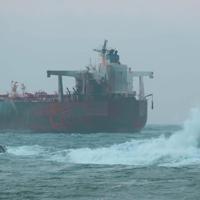
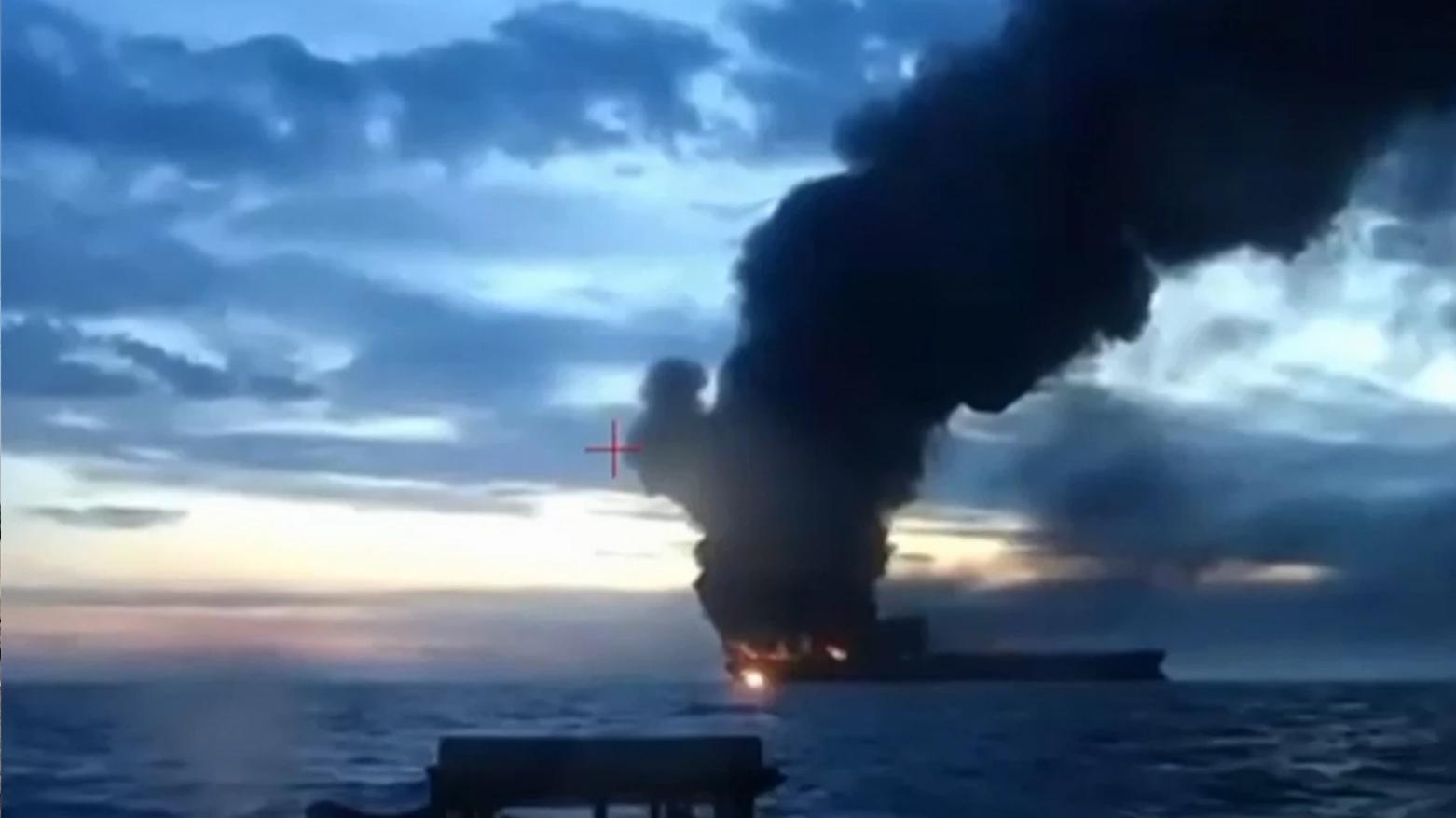
Ukraine disabled the Russia-linked oil tanker Dashan in the Black Sea after an operation Kyiv said used unmanned maritime drones. Footage released by the Security Service of Ukraine (SBU) showed strikes to the vessel's stern that left it effectively disabled while it was heading toward Novorossiysk.
“Ukrainian sea drones struck and disabled the tanker Dashan on Wednesday as it sailed through Ukraine’s exclusive economic zone toward the Russian port of Novorossiysk, the Security Service of Ukraine (SBU) said.”
Multiple outlets identified the Dashan as part of Moscow's sanctions-evasion 'shadow fleet,' noting the ship sailed with its transponder off and under disputed registry status. Kyiv called the action the third such hit on similar vessels in about two weeks.

Dashan tanker strike summary
Available video and maritime-security sourcing indicate strikes concentrated near the Dashan's stern and engine-room area. The strikes triggered explosions and smoke, and officials described the damage as 'critical', though the exact cargo and whether the strike caused an oil spill remain unclear.
Several outlets note the ship's registry and transponder behavior, reporting the vessel as Comoros-flagged with its trackers off. They say this incident fits a recent pattern of tanker incidents, including reported hits on vessels named Kairos and Virat.
Strike aims and regional fallout
Kyiv and several outlets describe the strikes as aimed at degrading Moscow's covert oil-export revenues; the SBU framed the attack as an effort to 'choke' Moscow's petrodollar income, and officials said the campaign sought to disrupt a sanctions-evading network.
“The SBU framed the attack as part of efforts to choke Moscow’s ‘petrodollar’ revenues.”
Kurdish and regional outlets emphasize the broader geopolitical consequences, warning that such attacks extend the conflict into international waters and heighten regional tensions.
Black Sea security fallout
Turkey summoned envoys from both Russia and Ukraine and warned of a dangerous escalation. NATO members in the region moved to bolster mine-countermeasure cooperation.
Observers and insurers are tracking the economic fallout, reporting rising Black Sea war-risk premiums. Analysts say low-cost autonomous drones are reshaping maritime security in the area.
Dashan strike overview
Open questions remain amid the operational and diplomatic fallout. Russia has not immediately commented. Reporting is not unanimous on cargo or spill risk.
“It is unclear what cargo the ship carried or whether the strike caused any spill.”
Coverage varies on the wider political context, with The Guardian linking the episode to a Western diplomatic debate over a Ukraine peace proposal and coalition talks. Some local outlets place more emphasis on regional security measures and NATO responses.
The Dashan strike illustrates both a tactical use of new maritime drones and an intensifying contest over economic lifelines at sea. Sources differ on emphasis and omit various details.