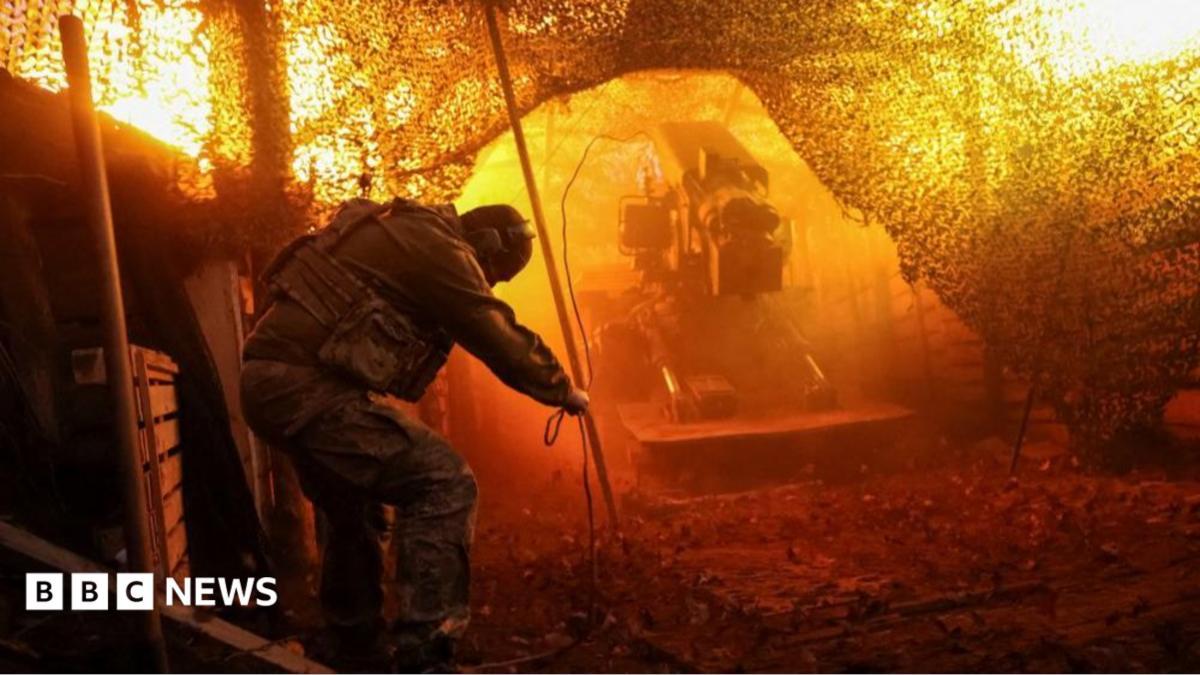
Ukraine War08 December, 20252 min read
Ukraine Presents Revised Peace Plan to Trump Administration
Ukraine will send a revised 20-point peace plan to the United States. Zelensky ruled out ceding Ukrainian territory to Russia.
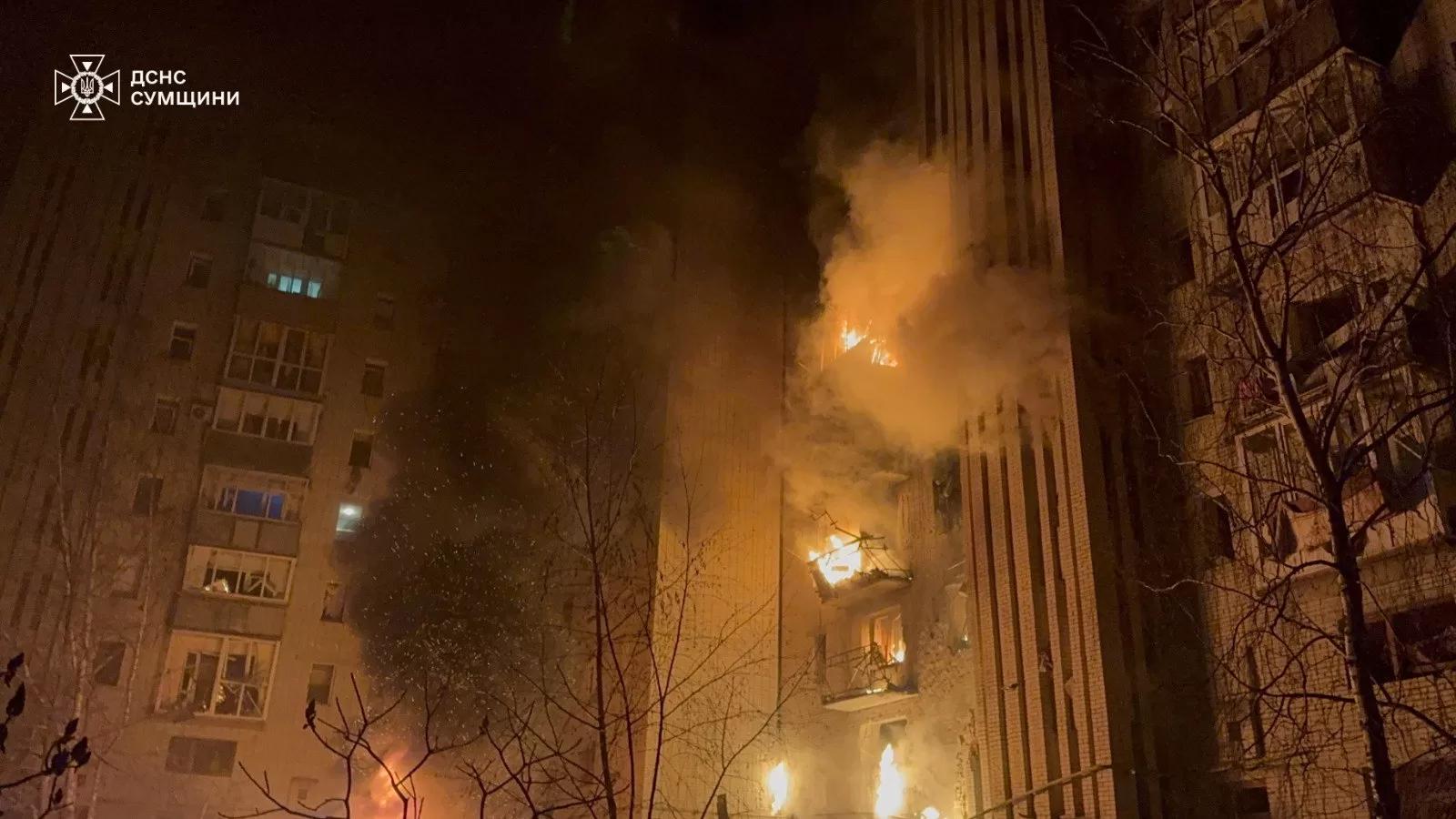
15 outlets told this the same way.
Outlets did split on Russian Attack Kills At Least 33 On Two Buses In Kramatorsk →
European coordination on Ukraine peace
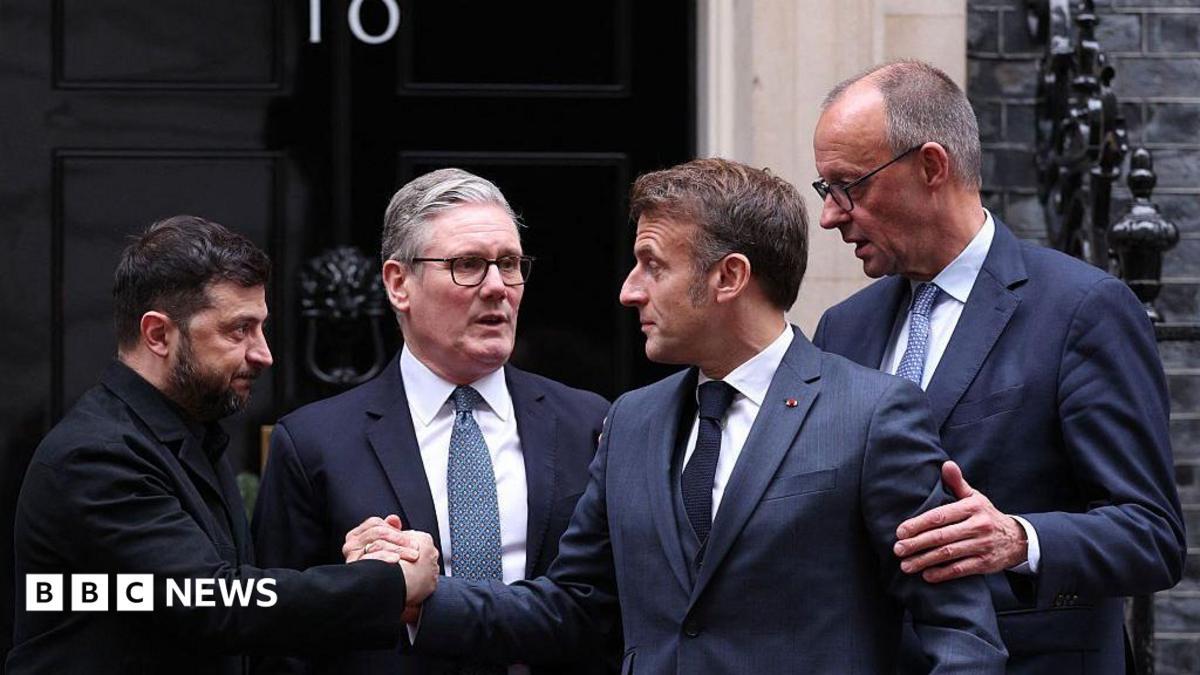
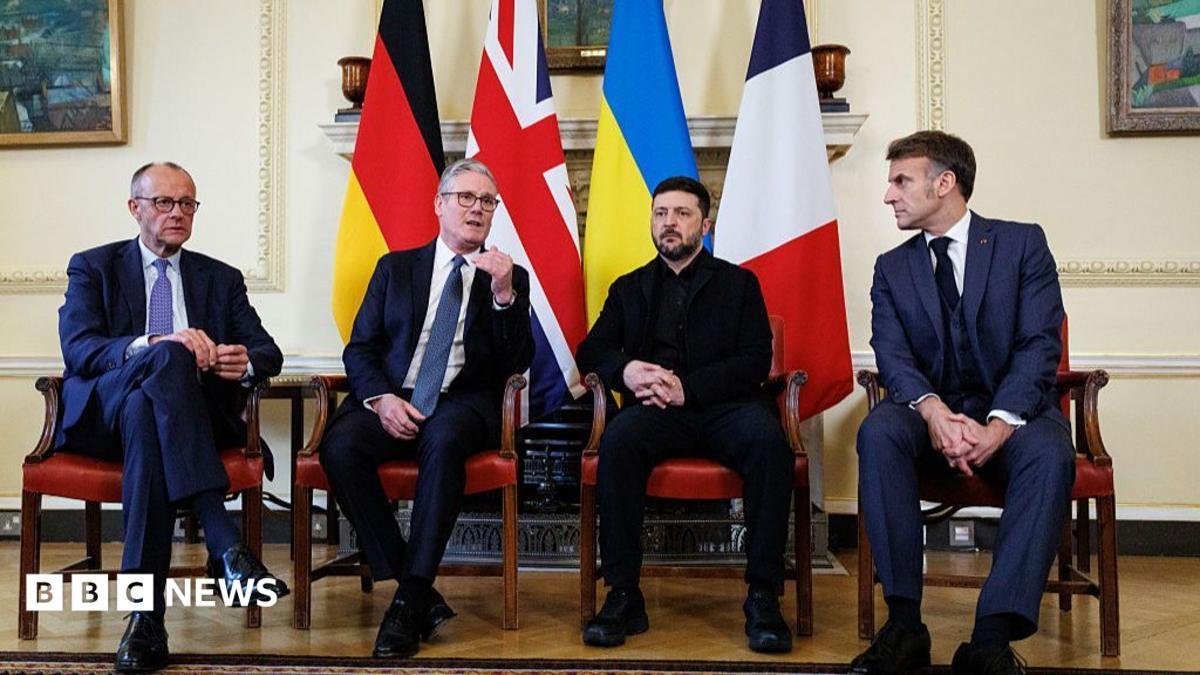
Ukraine announced it would send a revised 20-point peace plan to the United States. President Volodymyr Zelenskyy convened hurried talks in London with the leaders of Britain, France and Germany to strengthen Kyiv's negotiating position and to push back against a U.S.-backed ceasefire draft many Europeans view as too favorable to Moscow. The London meeting aimed to coordinate European responses and present a united front.
“Ukraine will send a revised 20-point peace plan to the United States on Tuesday after President Volodymyr Zelenskyy held hastily arranged talks in London with the leaders of Britain, France and Germany to strengthen Kyiv’s negotiating position.”
Macron urged convergence between Europe, Ukraine and the U.S., while Starmer emphasized any ceasefire must be 'just' and 'lasting' and backed by 'hard-edged security guarantees'. Negotiators were reported to be returning to Kyiv to brief Zelensky after several days of substantive talks.
London talks: Ukraine security
European leaders at the London talks pushed back explicitly on territorial concessions and emphasized security guarantees. Zelensky reiterated that there is no agreement to make territorial concessions and that Ukraine cannot cede land.
Macron highlighted the range of levers allies retain, including arms, funding, sanctions and Ukrainian resistance. Starmer went further in public remarks, insisting any ceasefire must be coupled with enforceable security guarantees and even suggesting a coalition of the willing could support Ukraine, including possible troop commitments.
Proposal secrecy and coordination
Procedure and secrecy around the proposals remain prominent themes. Multiple sources reported that few details of the talks or draft plans have been made public, and advisers on both sides are still finalizing proposals ahead of broader discussions involving the U.S. and Ukraine. European leaders said they would develop a coordinated European contribution to complement the U.S. proposal, including robust security guarantees and reconstruction measures, while some reporting noted leaks and public disagreement over the U.S. text.
“Few details of the talks have been made public.”
Responses to U.S. proposal
Reactions from key international actors show divergent narratives.
Reports quote former President Trump saying he believed the U.S. proposal 'favored Russia' and that Mr. Zelensky had not read it, while Ukrainian officials countered that the president had not yet received all relevant documents.
Some outlets highlight European leaders pledging further aid, for example DW reports Italian Prime Minister Giorgia Meloni pledged more military and humanitarian support, underscoring a European push to supplement or reshape any U.S. text.
Ukraine diplomacy coverage
Outlook remains uncertain: ministers and advisers are reported to be finalizing proposals, and Ukraine's revised plan is intended to shape U.S. engagement in the next round of talks rather than to be a closed deal. Some coverage signals the risk of no immediate breakthrough. One outlet summarized G7 talks as failing to reach major agreement.
“Zelensky warned Ukraine ‘can’t manage’ without sustained US and European support and urged coordinated, sensitive talks after recent US-led proposals.”
Other reports point to ongoing diplomatic activity, including a reported meeting between Zelensky and the pope. Across the coverage, sources differ on tone and focus. European outlets stress concrete security guarantees and refusal of territorial concessions, while other reports foreground procedural disagreement and leaks.