Ukraine War · 02 May, 2026 · 6 min read
Ukraine Says Vessel Panormitis Carrying Stolen Grain Won’t Unload in Israel
Ukraine says Panormitis carries grain stolen from occupied Ukrainian territories bound for Haifa. Israeli grain importer refused to unload the cargo under Kyiv's demand to detain it.
8 of 10 outlets skipped it: maritime movement details: Panormitis moving away from Haifa at ~9 knots / heading west; final destination unknown (marine traffic tracking)..
13outlets compared
Same story, two versions
tap a side to read it in full
POLITICO.eu
““The Ukrainian side asks the Israeli partners to seize the ship and cargo, conduct a search, seize ship and cargo documentation, take grain samples, and interrogate the crew members,” Prosecutor General Ruslan Kravchenko said in a statementWednesday.”Read the original ↗
This affects how much legitimacy is perceived for Ukraine’s legal case: some coverage emphasizes procedural requests and formal investigation steps, while other framing stresses that Ukraine’s public messaging came before evidence/proper legal channels.
A ship turned away
Ukraine and Israel’s dispute over alleged stolen Ukrainian grain sharpened on April 30, when Ukrainian Foreign Minister Andrii Sybiha said a vessel carrying what Kyiv calls “stolen grain” would not unload in Israel.
“Panormitis ship transporting grain stolen from Russian-occupied Ukrainian territories will not unload its shipment in Israel”
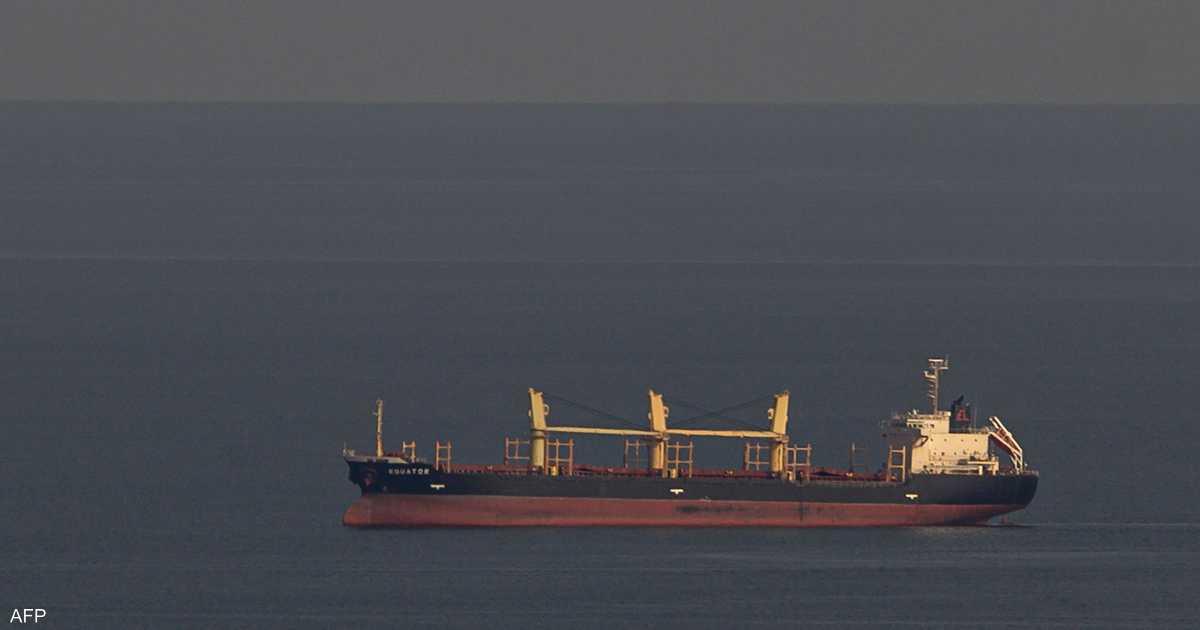
The ship at the center of the row was identified as “Panormitis,” a Panama-flagged bulk carrier that, according to maritime tracking, was departing Haifa Bay and heading west after the refusal.

Sybiha framed the outcome as a result of Kyiv’s “legal and diplomatic actions,” saying on X: “This demonstrates that Ukraine's legal and diplomatic actions have been effective.”
Israeli importer Zenziper rejected the cargo in accordance with the stance of Israel’s Grain Importers Association, and the association said “The Russian supplier of the cargo will have to find an alternative destination to unload it.”
Euronews reported that Zenziper halted unloading “in light of the circumstances,” and said the supplier would have to find an alternative destination.
The Israeli Foreign Ministry later said the vessel “decided to depart from Israel's territorial waters,” while Ukraine’s Prosecutor General’s Office said the ship’s movements and its cargo would continue to be monitored.
Kyiv’s legal request
Before the April 30 refusal, Ukraine sought formal legal action from Israel to seize the Panormitis cargo as it approached the port of Haifa.
POLITICO.eu reported that “Ukraine on Wednesday officially requested Israel seize thePanormitiscargo vessel,” describing the vessel as sailing under a Panamanian flag and “currently on its way to the port of Haifa.”P

In that request, Ukrainian Foreign Minister Andrii Sybiha said the ship was “suspected of carrying a grain cargo that was illegally transported from a closed port in the temporarily occupied territory of Ukraine in violation of international law and Ukrainian legislation.”
The same outlet said Ukraine’s Prosecutor General’s Office submitted the formal petition on Tuesday, and it quoted Prosecutor General Ruslan Kravchenko’s statement that investigators documented “a gross violation of Ukrainian legislation and the norms of international maritime law.”
Al Jazeera similarly reported that Ukraine’s top prosecutor said the vessel Panormitis was headed to Haifa with grain “some of which was shipped” from Russian-occupied regions of Ukraine, and that the grain had earlier been loaded from another vessel.A
Israel’s response, as described across multiple reports, emphasized that Ukraine’s evidence and timing were inadequate, with Israeli Foreign Minister Gideon Saar writing on X that “One would expect the submission of a legal request before Tweeting. You chose differently, for your own reasons,” and adding that “The request is now being examined by the relevant authorities.”
Numbers and accusations
The dispute is built around competing claims about the scale of grain exports from occupied Ukrainian territory and the legal status of those shipments.
“more than 1.7 million tons of agricultural products worth over 20 billion hryvnia (387,5 million euros)”
POLITICO.eu quoted Prosecutor General Ruslan Kravchenko saying that “Russia has looted and profited from more than 1.7 million tons of agricultural products worth over 20 billion hryvnia (387,5 million euros) since 2022 from the occupied territories of Ukraine.”P
In a separate report, Sky News Arabia said Kravchenko noted that “more than 1.7 million tons of agricultural products, worth over $453 million, were moved illegally from the territories occupied since the start of the Russian invasion.”
Ukraine’s narrative also includes a broader pattern of “shadow” or “phantom” fleets, with The Times of Israël describing “phantom fleet” ships as having “opaque ownership structures” and raising “environmental concerns.”
In contrast, Al Jazeera reported that an official at Royal Maritime Inc, the vessel’s Greece-based management company, denied the Panormitis was carrying any grain from occupied Ukraine, telling Reuters: “All of the legal documents we have, including the cargo’s certificate of origin, show that the cargo is Russian.”A
Israel’s position, as described by multiple outlets, also emphasized that it had not received sufficient evidence, with the Jerusalem Post reporting that Israel rejected the allegations and said Ukraine had not provided evidence to support theft claims.
Reactions and diplomatic friction
As the Panormitis case escalated, officials from both countries traded accusations over process, evidence, and public messaging.
The Kyiv Independent reported that Sybiha called the refusal a “clear signal to all other vessels, captains, operators, insurers, and governments: do not buy stolen Ukrainian grain. Do not become part of this crime,” and it said the Israeli Foreign Ministry later stated the vessel “decided to depart from Israel's territorial waters.”

Euronews described Ukraine’s foreign ministry welcoming the development and quoting Sybiha on X: “This is also a clear signal to all vessels, captains, operators, insurers and governments: do not buy stolen Ukrainian grain. Do not become part of this crime,” while also reporting that Ukraine said it would “continue to track this particular vessel and warn against any operations involving it.”
On the Israeli side, the Jerusalem Post reported that Israel rejected the Russian ship, quoting the Grain Importers Association’s statement that “In light of the circumstances, the grain importing company Zenziper has been forced to turn away the Russian vessel,” and it included Sybiha’s warning that “Friendly Ukrainian-Israeli relations have the potential to benefit both countries, and Russia’s illegal trade with stolen Ukrainian grain should not undermine them.”
The dispute also repeatedly turned on the accusation of “Twitter diplomacy,” with POLITICO.eu quoting Israeli Foreign Minister Gideon Sa’ar arguing that “diplomatic relations, especially between friendly nations, are not conducted on Twitter or in the media.”
Al Jazeera reported that Saar wrote on X that “One would expect the submission of a legal request before Tweeting,” while Sybiha insisted in a separate statement that Ukraine was making “a very concrete legal and diplomatic request for international legal assistance that necessitates a response.”A
What happens next
The refusal to unload Panormitis did not end the dispute, and multiple outlets described continued monitoring, legal escalation, and potential sanctions.
“Any involvement with the shipment will be met with a legal response "in any jurisdiction that recognizes the rule of law and respects Ukraine's sovereignty"”
The Kyiv Independent said the Israeli Foreign Ministry later stated the vessel “decided to depart from Israel's territorial waters,” while Ukraine’s Prosecutor General’s Office said the ship’s movements and its cargo would continue to be monitored and that “Any involvement with the shipment will be met with a legal response "in any jurisdiction that recognizes the rule of law and respects Ukraine's sovereignty," the office said.”
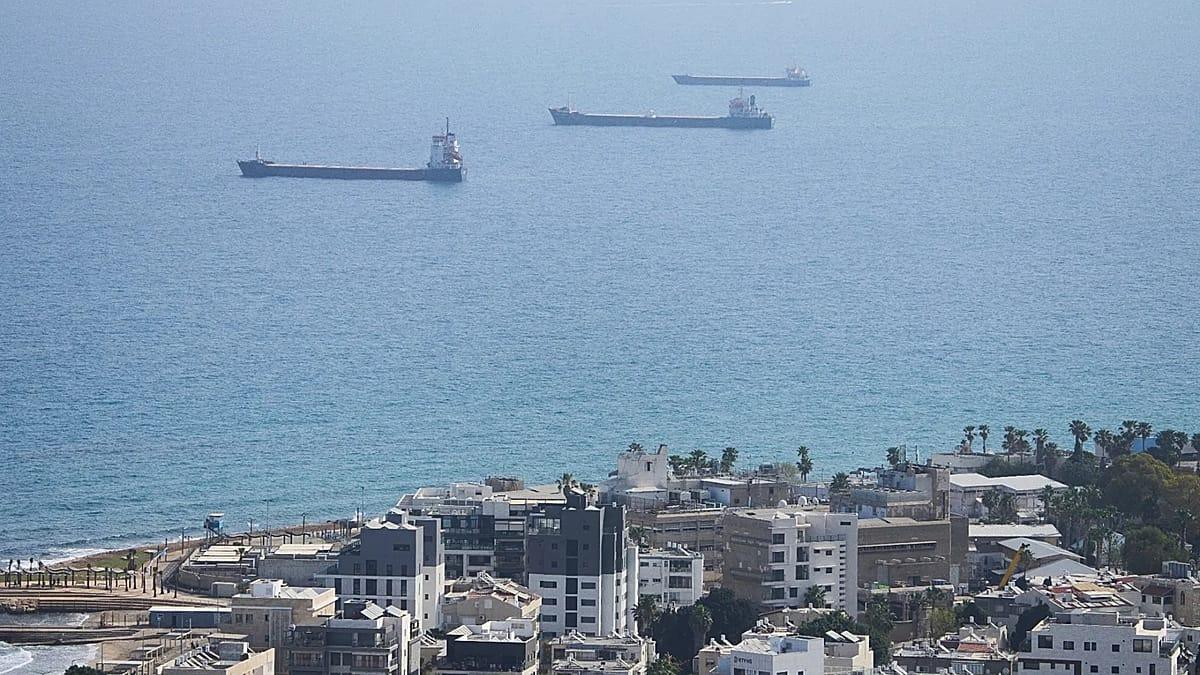
Euronews reported that Ukraine’s foreign ministry said Kyiv would “continue to track this particular vessel and warn against any operations involving it,” and it described the vessel moving away from Haifa Bay at around 9 knots.
Anadolu Ajansı reported that Israel sought to resolve the dispute by returning a ship carrying stolen grain to Russia, and it said the issue had led to an exchange of accusations between Israeli and Ukrainian officials.
Haaretz described the April 30 development as Ukraine welcoming the announcement that “a vessel carrying grain allegedly originating from Ukraine's occupied territories will not unload cargo in Israel,” tying the episode to the broader “Ukraine Russia” dispute.
Al Jazeera and POLITICO.eu described Ukraine’s threat to impose sanctions, and Al Jazeera also reported the EU’s readiness to sanction individuals and entities in third countries.