Ukraine War07 November, 20252 min read
Ukraine Secures US Tomahawk Missiles to Strike Deep Inside Russia Amid Ongoing War
Ukraine is engaged in positive, ongoing talks with the US to purchase Tomahawk missiles. Discussions include scaling up financial resources to acquire various long-range military capabilities.
13 outlets told this the same way.
Outlets did split on Russian Attack Kills At Least 33 On Two Buses In Kramatorsk →
Ukraine Missile Negotiations Update
Despite multiple reports of “positive” negotiations, there is no confirmation that Ukraine has secured U.S. Tomahawk missiles.
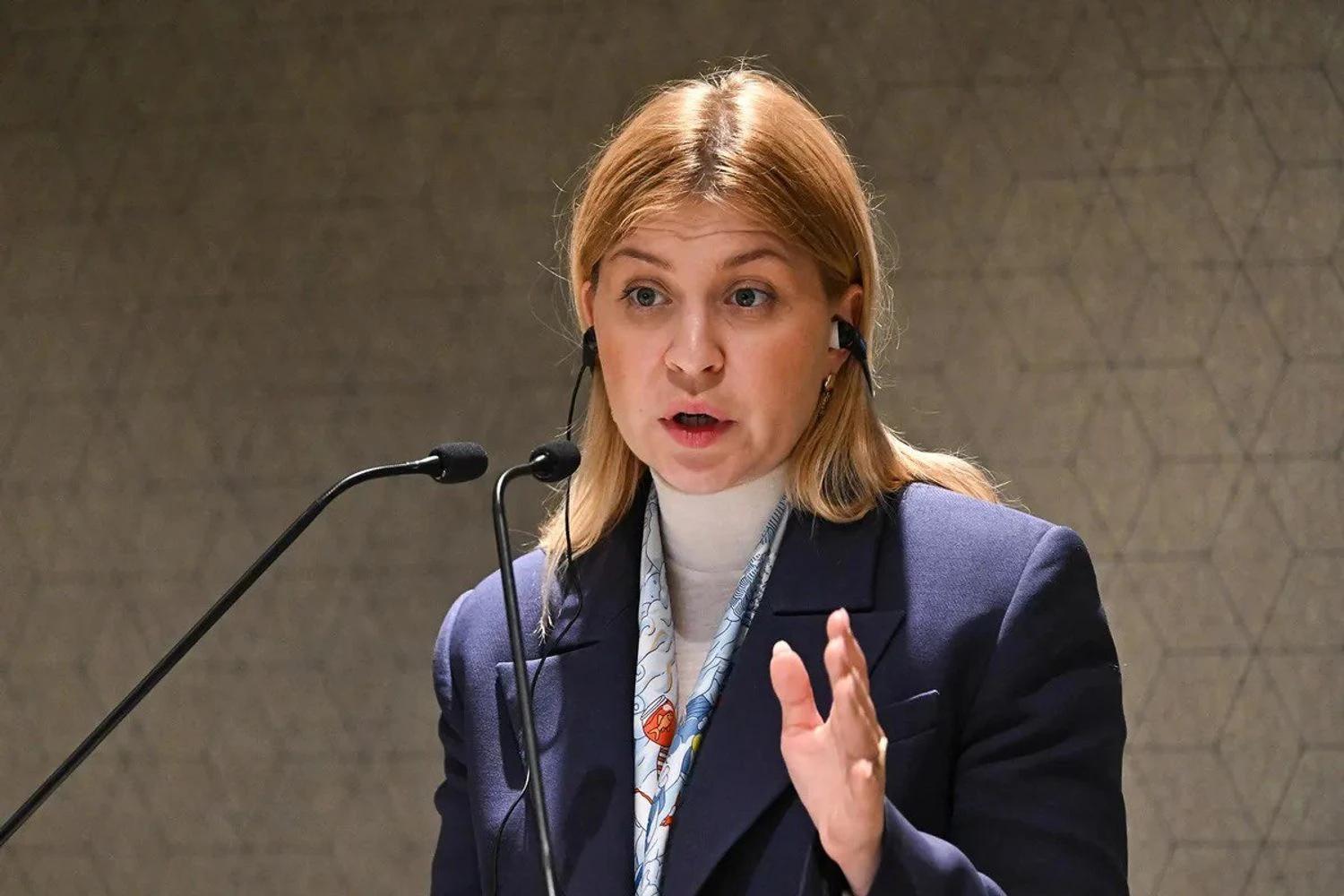
“Ukrainian Deputy Prime Minister Olha Stefanishyna stated in a Bloomberg TV interview that discussions are ongoing to increase financial resources for Ukraine to procure more military capabilities from the U.S., including Tomahawk and other long- and short-range missiles.”
Ukrainian officials say talks to purchase Tomahawks and other long- and short-range systems are ongoing and aimed at enabling strikes deep into Russian territory.

Several outlets report that Donald Trump does not support authorizing a transfer at this time.
Coverage also notes the Pentagon has assessed a transfer would not deplete U.S. stockpiles.
Ukraine stresses the urgency amid intensified Russian attacks on its energy grid and the need for stronger air defense.
Trump's Military and Sanctions Stance
Politically, reporting converges on Trump’s reluctance to approve Tomahawk missile strikes and his claim that they would be effective only if launched by the U.S. European perspectives are also emerging in the discussion. The Independent highlights Anders Fogh Rasmussen urging Germany to take the lead by sending Taurus missiles to encourage Washington's action.
It also notes Trump’s planned meeting with Hungary’s Viktor Orban regarding Russian oil and possible exemptions from sanctions. Other outlets emphasize Trump’s concerns about escalating the conflict and, in one case, his approach toward Russia through sanctions. They also reiterate that Pentagon planners do not see a risk to the stockpile if a transfer of missiles occurs.
Ukraine's Long-Range Weapon Needs
Kyiv’s case for long-range weapons is tied to intensifying Russian strikes on its energy infrastructure. There is a need to strengthen air defenses and efforts to mobilize financing. Multiple delegations are working to expand resources to support these efforts.
“Ukraine and the United States are engaged in positive ongoing negotiations for the purchase of long-range Tomahawk missiles and other long- and short-range weapons, according to Ukrainian Ambassador Olha Stefanishyna.”
Officials warn that insufficient pressure on Moscow would invite further aggression. Some outlets explicitly link the aim of deep-strike capability to Tomahawks and similar systems. President Zelensky continues to push for options that can reach targets far inside Russia.
European Security Concerns
The broader security backdrop many European outlets describe is stark. DIE WELT reports a German general’s warning that Russia could mount a limited NATO attack soon, with larger war risks by 2029 as Moscow expands its forces to 1.5 million. The report also details Poland’s mass training drive and war‑crime accountability cases.
The Independent adds that the UK Ministry of Defence sees further Russian mobilization via new conscriptions. This wider context is used to underscore why long‑range strike and air‑defense capabilities are politically salient in Kyiv’s requests.

Uncertainties in Tomahawk Coverage
Key uncertainties in coverage persist.
“However, former US President Donald Trump expressed hesitation about approving Tomahawk sales, fearing escalation.”
Some outlets frame Trump as “former” versus sitting “U.S. President.”

One Asian outlet asserts he imposed sanctions on Rosneft and Lukoil in October—details not echoed elsewhere.
Another outlet simply flags that more information is needed to assess the Tomahawk question.
Separately, several reports cite that Washington does not plan to fire Tomahawks itself—mirroring Trump’s argument about effectiveness.
These reports also note claims that recent Trump‑Putin communications were influenced by the missile debate.
Together, these differences reinforce that Ukraine has not yet secured Tomahawks, with political authorization remaining the central obstacle.