Ukraine War19 December, 20252 min read
Ukraine Strikes Russian 'Shadow-Fleet' Tanker in Mediterranean Using Long-Range Drones
This article is an automated aggregation of coverage from news outlets. Our editorials offer in-depth analysis curated by the NewsCord team.
Ukraine struck a 'shadow fleet' tanker in the Mediterranean using long-range aerial drones Putin vowed retaliation, warning attacks on civilian infrastructure would always draw a response

6 outlets told this the same way.
Mediterranean tanker strike
Ukraine struck a Russian-linked tanker in the Mediterranean Sea using long-range aerial drones, in what Newsweek describes as the first such attack in that theater and part of Kyiv's broader campaign against Russian oil shipping. The strike targeted a vessel identified as part of the so-called 'shadow fleet', which has been used to move sanctioned Russian oil.
“Ukraine broadened its campaign against Russian oil shipping by striking a tanker from the so-called ‘shadow fleet’ in the Mediterranean Sea — the first such attack there carried out with long-range aerial drones.”
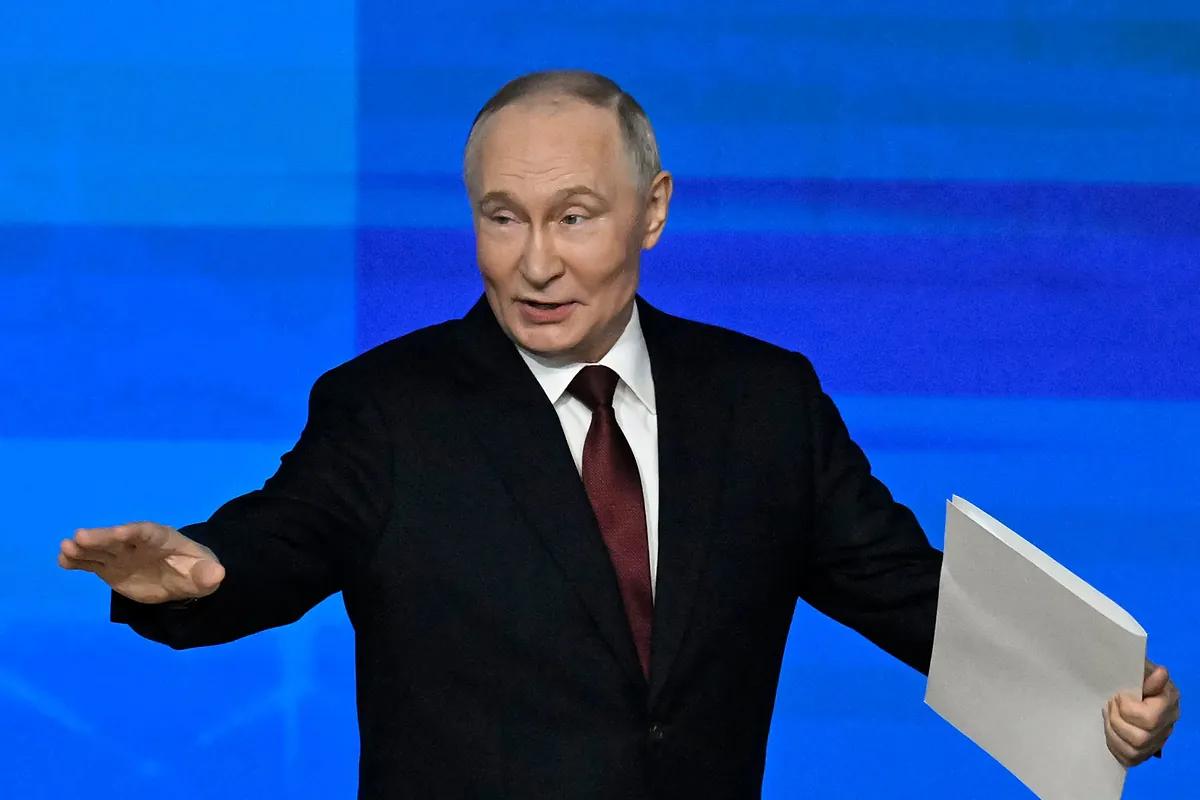
According to reports, Russian President Vladimir Putin vowed retaliation after the incident. CNN reports that Ukraine provided drone footage showing explosions and that a Ukrainian source said the empty tanker was critically damaged, posed no environmental threat, and continued sailing.

Coverage of tanker incident
CNN published drone footage showing explosions on the tanker and relayed a Ukrainian source's assessment that the ship was empty and critically damaged but did not present an environmental hazard, and that the vessel appeared to keep moving.
Newsweek framed the incident as part of a broader Ukrainian campaign to disrupt Russian oil shipping via the shadow fleet, underscoring a tactical expansion into the Mediterranean beyond prior Black Sea operations.
Shadow Fleet Strike Implications
Analysts and media reporting point to broader implications of the recent maritime strike. Striking a vessel tied to the shadow fleet targeted a mechanism Moscow has used to earn revenue despite sanctions. The incident also signals Kyiv’s willingness to project drone-based strikes into international waters farther from the Black Sea.
“The article notes the shadow fleet helps Russia earn revenue and, according to intelligence sources, has been used for covert spying operations.”
CNN reports intelligence that the shadow fleet has been used for covert spying operations. Newsweek highlights that the action prompted a pledge of retaliation from President Putin, suggesting risks of escalation.
Media reporting differences
Both sources are Western mainstream outlets. They broadly align that Ukraine conducted a strike on a shadow-fleet tanker. Newsweek emphasizes strategic expansion and Putin’s response, while CNN focuses on footage, damage assessment, and the shadow fleet’s roles.
CNN reports the environmental risk assessment and the ship’s exact condition as Ukrainian claims, and these lack independent verification in the provided snippets. Only two Western mainstream sources were provided, so cross-source comparison with different source types (for example, West Asian or Western alternative outlets) is not possible from the material given.
