Ukraine War20 December, 20252 min read
Ukraine Strikes Russian Tanker in Mediterranean With Drones
Ukrainian drones struck a Russian 'shadow fleet' oil tanker in the Mediterranean Sea. Video circulated showing drones striking the tanker during the attack.

12 outlets told this the same way.
Outlets did split on Russian Attack Kills At Least 33 On Two Buses In Kramatorsk →
Mediterranean tanker strike
Ukraine's security service (SBU) says it struck the oil tanker Qendil in neutral Mediterranean waters using aerial drones, released overhead footage showing a small deck explosion, and identified the vessel as part of Russia's "shadow fleet". Marine trackers placed the tanker about 2,000 km from Ukraine off Libya, and news agencies reported the vessel was empty; Reuters imagery was said to confirm the ship's identity, although timing and exact location could not be independently verified. The Guardian described the strike as the first such attack in the Mediterranean since Russia's full-scale invasion, underscoring its geographic reach.
“Ukraine says it struck an oil tanker, the Qendil, in neutral waters of the Mediterranean with aerial drones, claiming the vessel — reportedly empty — was part of Russia’s ‘shadow fleet.’”
Ukraine's strike justification
Kyiv and its supporters portrayed the attack as a targeted effort against vessels that help Moscow evade sanctions and finance the war. The SBU called the strike a 'legitimate action' against the shadow fleet, while Western outlets reported Ukrainian officials framed it as part of intensified strikes on Russian oil infrastructure. Sky News quoted a military analyst saying Kyiv will likely defend the operation as legitimate and compare it to past US actions against drug-smuggling networks and Venezuelan tankers.
Disputed naval strike reports
Verification and international context remain contested and uncertain. Press TV notes Reuters confirmed the ship’s identity from imagery but could not verify when or exactly where the strike occurred.
“Reuters confirmed the ship’s identity from imagery but could not verify when or exactly where the strike occurred.”
Marine trackers’ placement of the vessel off Libya is reported alongside Kyiv’s footage, leaving open factual questions about timing and location. Russia’s foreign intelligence, as reported by Press TV, accused British services and NATO of planning an 'environmental provocation,' and Western outlets present this as Moscow’s allegation rather than established fact.
Environmental and escalation risks
Analysts and outlets flagged potential environmental and escalation risks. Sky News quoted military analyst Michael Clarke warning that striking tankers with oil aboard could create an ecological disaster. Clarke also said the attack likely caused significant damage and pointed to precedents cited by Kyiv.
Press TV relayed Moscow’s narrative that a Western-planned environmental provocation could be used to target Russian and Chinese interests and produce staged oil-spill incidents. The Independent situates the strike amid a broader campaign of attacks on refineries and shipping.
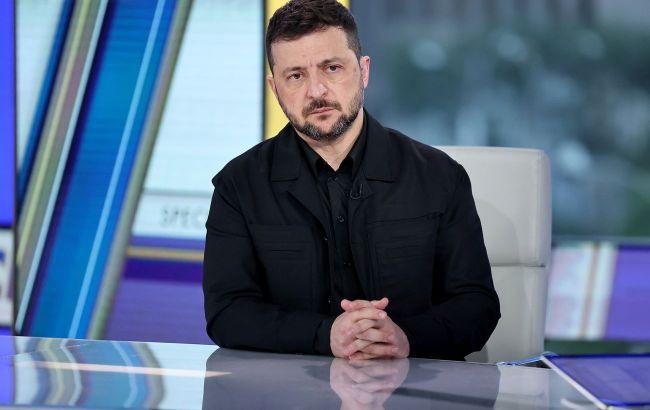
Strike and Ukraine context
The incident arrives amid urgent financial and geopolitical pressure on Kyiv. Western outlets reported an EU-approved €90bn loan to Ukraine, hailed by some Ukrainian politicians as a "tremendous" boost but described elsewhere as smaller than Kyiv hoped, and there are discussions about using frozen Russian assets to fund defence. The strike's long range and its targeting of sanction-evasion shipping are reported alongside concerns about escalation, verification gaps and a wider pattern of attacks on energy infrastructure.
“Ukrainian MP Oleksiy Merezhko welcomed an early-morning EU loan of €90bn as a ‘tremendous’ boost that will strengthen Ukraine’s defence, but said International Monetary Fund estimates show the country needs about $137bn to keep running.”