Ukraine War23 January, 20262 min read
Ukraine, U.S. and Russia Hold First-Ever Trilateral Talks in UAE to End Russia's War
This article is an automated aggregation of coverage from news outlets. Our editorials offer in-depth analysis curated by the NewsCord team.
Ukraine, the United States and Russia held their first-ever trilateral talks in Abu Dhabi Negotiations centered on ending the war, especially future of Donbas and eastern Ukraine

7 outlets told this the same way.
Abu Dhabi trilateral talks
Ukraine, the United States and Russia held their first-ever trilateral talks in Abu Dhabi, a new format in which all three parties met in the same room to explore options to end the Russia–Ukraine war. Western outlets framed the meeting as unprecedented, with DW calling it the "first-ever trilateral talks to explore options for ending the Russia–Ukraine war" and the BBC noting the participants "met in the same room for the first time in Abu Dhabi." Ukrainian sources emphasized Kyiv’s cautious stance, with President Volodymyr Zelenskyy calling the meeting an initial step and warning that Russia must end the war it started.
“Ukraine, the United States and Russia are meeting in the United Arab Emirates for their first-ever trilateral talks to explore options for ending the Russia–Ukraine war.”
US officials described the opening round as "productive." The talks took place even as hostilities continued on the ground and in the skies.

Delegations and participants
Delegations attended rather than presidents, with each source offering different levels of detail about participants. The Sun lists Ukraine's team as including Defense Minister Rustem Umerov, military intelligence chief Kyrylo Budanov and envoy Serhii Kyslytsia. The Sun says Russia's delegation features financier Kirill Dmitriev and GRU head Igor Kostyukov.
Lokmattimes emphasized Kyiv's operational posture, noting Zelensky said his team briefs him hourly and has clear instructions. Western outlets highlighted the procedural novelty of all three parties sitting together. Reporting consistently notes these were hand-picked delegations rather than summit-level presidential meetings.

Donetsk territorial impasse
Substantive obstacles quickly surfaced: both Lokmat Times and The Sun identify territory — especially control of Donetsk — as a central, unresolved issue, reporting Moscow’s demand that Ukraine withdraw from parts of Donetsk and Kyiv’s rejection of such a condition. The BBC counseled caution about expectations, saying that despite the new format the parties' fundamental disagreements remain unchanged. That combination of reporting underscores a central diplomatic fault line: process changed, but basic positional gaps on territory persist.
“Russian negotiators say territory — chiefly control of Donetsk — is the make-or-break issue for any peace deal, with the Kremlin insisting Ukraine cede the region and warning there is ‘no hope’ of a long-term settlement otherwise.”
Diplomacy Amid Military Escalation
The talks took place against a backdrop of continued military activity and sharp rhetoric. Lokmattimes reports Kyiv faced a large-scale Russian drone and ballistic-missile attack that triggered air defenses. The Sun reports Russia continued strikes, a large overnight drone attack, and patrols by Tu-22M3 bombers in the Baltic that prompted NATO escorts.
The Sun also reports hardline Russian figures issued menacing rhetoric toward Britain, including threats of nuclear-capable strikes. These accounts together portray a setting in which diplomatic engagement occurred amid active combat operations and escalatory signaling.
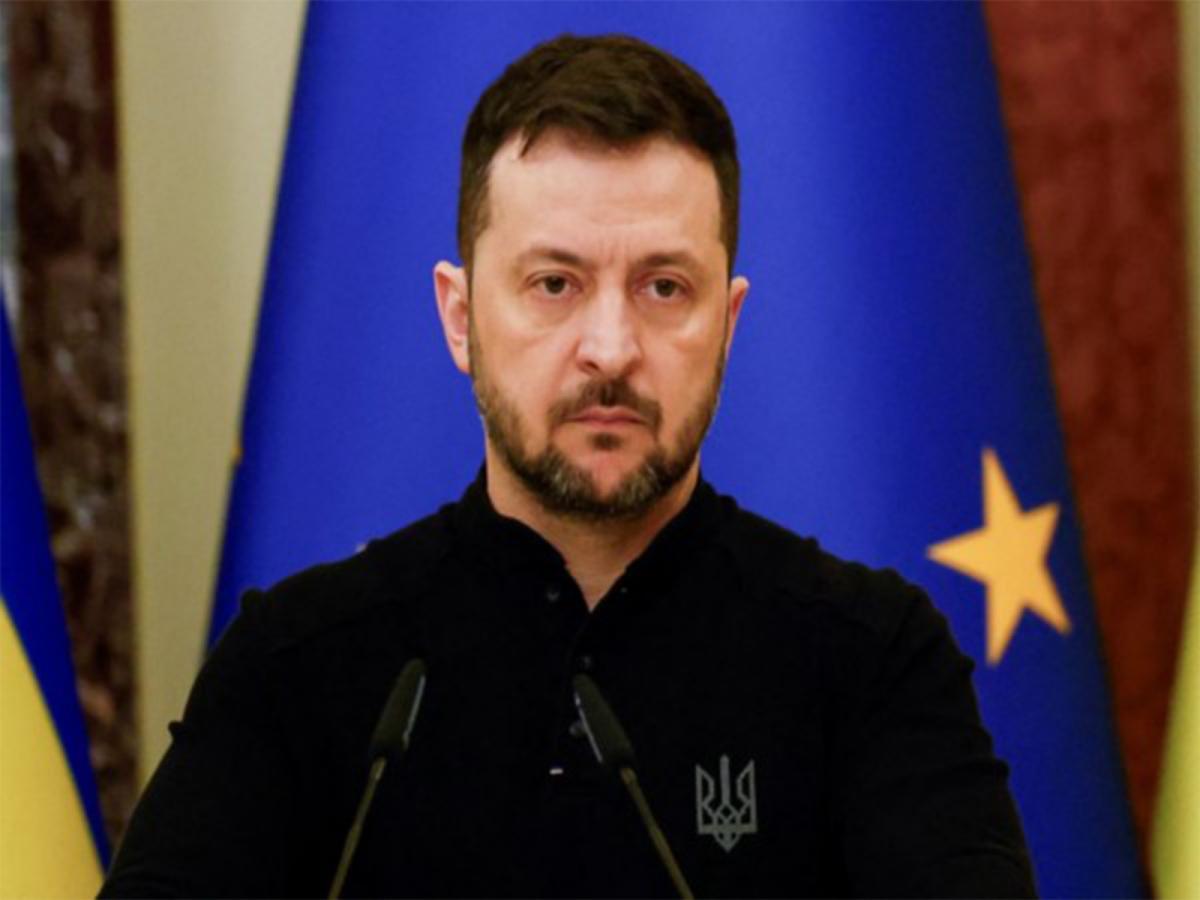
Coverage of peace talks
Outcomes and prospects remain unclear and contested across sources. Lokmattimes quotes Zelensky warning it was 'too early to judge' and notes US officials called the opening round 'productive'. The Sun highlights Zelensky's optimistic line that peace documents are 'nearly ready'.
“He warned it was too early to judge the talks’ substance, noting his team briefs him hourly and has clear instructions.”
The BBC assesses that fundamental disagreements continue. DW focuses on the novelty and exploratory nature of talks.

Together these points underscore that the process changed but there is no clear path to settlement reported in these snippets. Given these divergent emphases — US officials' cautious positivity, Zelensky's guarded leadership messaging, and tabloid optimism — the available reporting leaves the talks' practical implications ambiguous.