Ukraine War24 December, 20252 min read
Ukraine's Military Intelligence Bombs Moscow Car, Killing Three Including Two Police Officers
Car explosion in Moscow killed three people, including two traffic police officers Blast occurred near site where Lt. Gen. Fanil Sarvarov was killed days earlier

23 outlets told this the same way.
Outlets did split on Russian Attack Kills At Least 33 On Two Buses In Kramatorsk →
Moscow car explosion
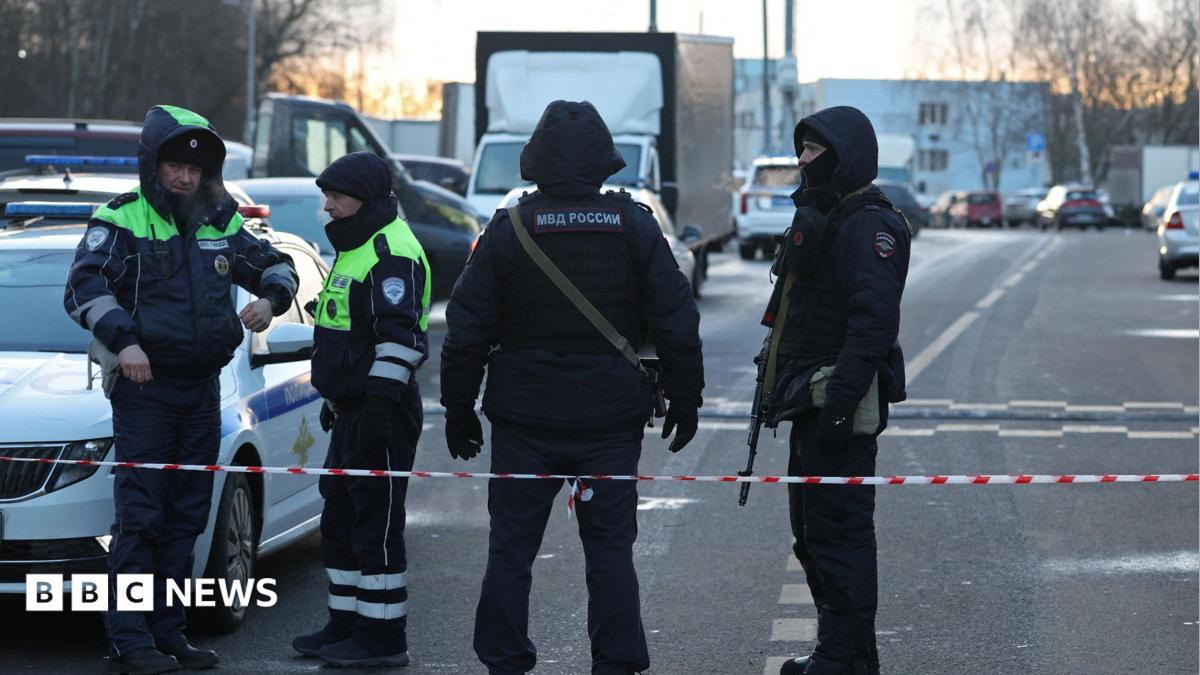
A car explosion in southern Moscow on Dec. 24 killed three people, including two traffic police officers.
“Two traffic police officers and a third person were killed early Wednesday in a car explosion in southern Moscow, the Russian Investigative Committee said.”
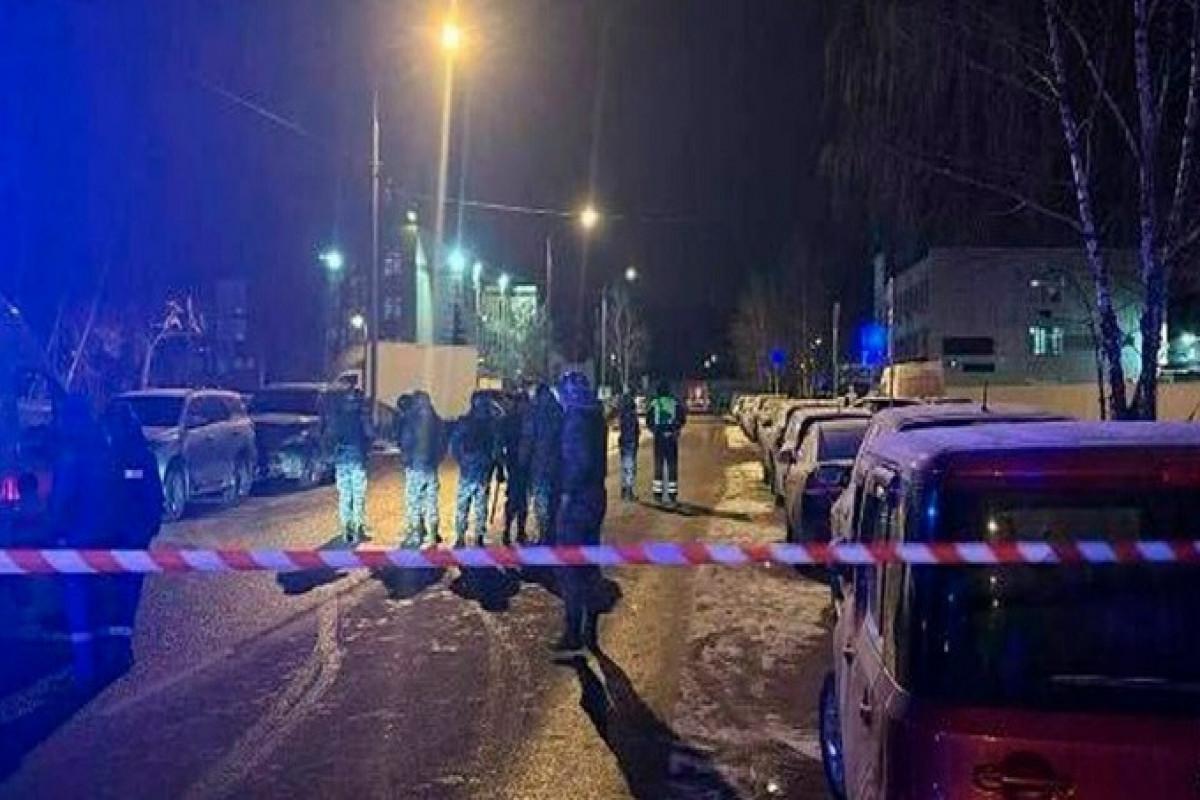
Investigators and multiple outlets reported that an explosive device detonated as officers approached a 'suspicious individual' beside a patrol car on Yeletskaya Street.
Witnesses placed the blast at about 1:30 a.m.
Authorities cordoned off the scene, reviewed CCTV footage, and reopened a criminal probe.
Several sources described the immediate facts similarly, noting the location, timing, and that officers were approaching a suspicious person when the device exploded.
Victim identities and coverage
Russian officials and multiple outlets identified the victims as two young traffic police lieutenants and a nearby bystander or the vehicle’s driver. Some sources named the officers as Ilya Klimanov, 24, and Maxim Gorbunov, 25, noting personal details such as Gorbunov leaving a nine-month-old daughter.
Reports differ slightly on whether the third dead was the vehicle’s driver, a bystander, or the suspect, and state media and some outlets said the suspect also died. Coverage ranges from family details and emotional framing in local and tabloid outlets to reporting that sticks to official investigator statements.

Investigation of recent bombings
Investigators opened criminal cases covering attempts on law-enforcement officers and illegal trafficking of explosives. Russian authorities said they are probing multiple lines of inquiry, including a possible link to a separate car bombing earlier in the week that killed Lieutenant General Fanil Sarvarov.
“Authorities have opened a criminal case under articles covering attempts on the lives of law-enforcement officers and illegal trafficking of explosive devices after a blast occurred about 300 meters from the parking area where Major General Fanil Sarvarov was killed.”
Some outlets note Moscow's official statements blaming Ukrainian intelligence for prior attacks. Others caution there is no direct evidence linking Kyiv to this newest blast and say Kyiv has not commented publicly.
Targeted killings in Russia-Ukraine
Analysts and several outlets place the blast amid a string of targeted killings and sabotage-linked explosions over recent months and years, framing it as part of covert actions tied to the Russia-Ukraine war.
Reports cite earlier high-profile incidents, including the December killing of Lt. Gen. Igor Kirillov by an explosive hidden in an e-scooter and the April car-bomb killing of Gen. Yaroslav Moskalik.
These incidents are presented as evidence of a pattern of cross-border or domestic assassinations that both sides have either carried out or accused the other of conducting.
Reporting tone and attribution
Mainstream outlets generally present official investigator statements and use cautious language about attribution. Regional West Asian outlets place the blast within the broader war timeline. Western alternative and tabloid outlets sometimes highlight dramatic claims or attribute responsibility by name.
“Russian investigators called that attack a likely Ukrainian intelligence assassination, and officials and pro-war figures have demanded swift retribution.”
Several reports explicitly note unresolved elements, such as whether the incidents are linked and whether credible evidence supports accusations against Ukrainian intelligence. Across coverage, basic facts like time, place, and casualties are consistent, but responsibility and motive remain disputed or unclear.