Ukraine War28 November, 20252 min read
Ukrainian Anti-Corruption Investigators Search Andriy Yermak's Home, Prompting His Resignation
This article is an automated aggregation of coverage from news outlets. Our editorials offer in-depth analysis curated by the NewsCord team.
Anti‑corruption agencies searched Andriy Yermak's home and office in a probe linked to Energoatom kickbacks Andriy Yermak resigned as presidential chief of staff after the searches
61 outlets told this the same way.
Outlets did split on Russian Attack Kills At Least 33 On Two Buses In Kramatorsk →
Yermak resignation and corruption probe
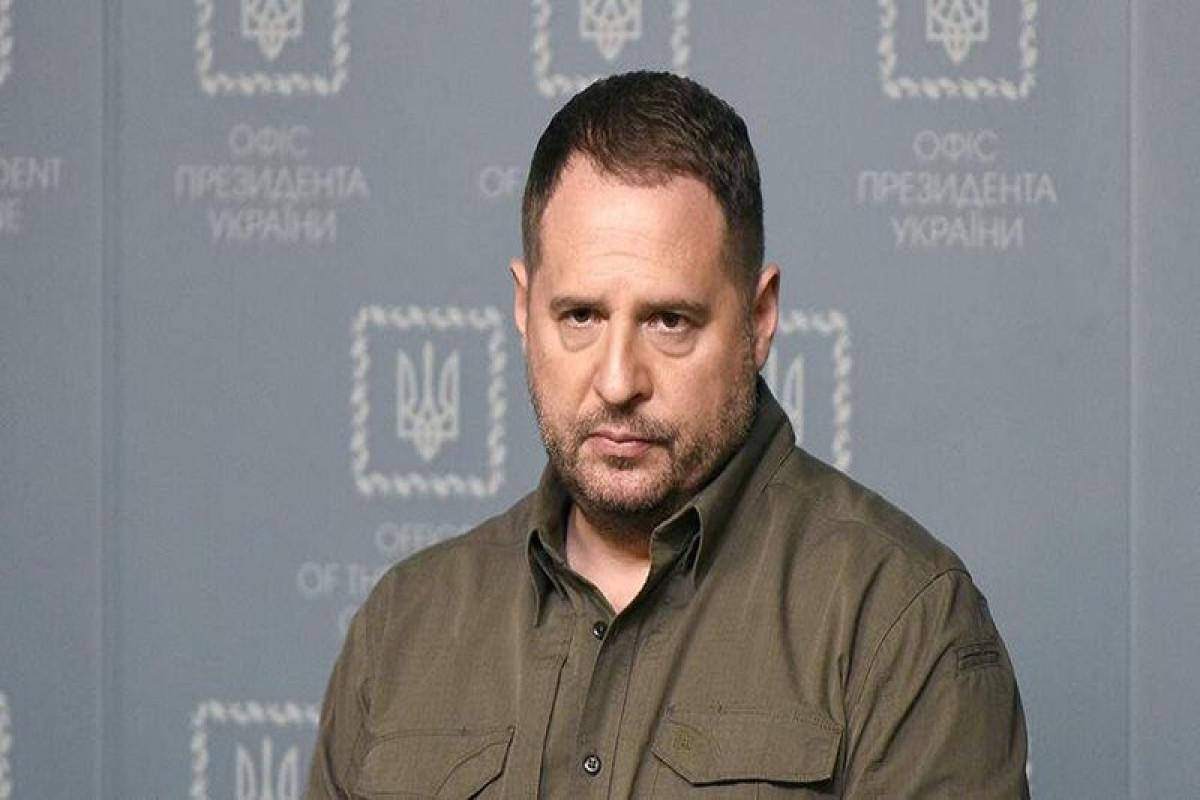
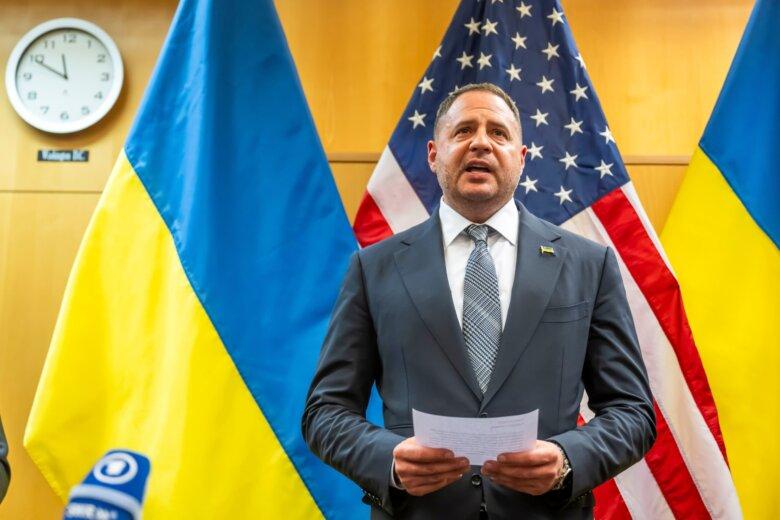
Ukrainian presidential chief of staff Andriy Yermak resigned on Nov. 28 after anti-corruption investigators from the National Anti-Corruption Bureau (NABU) and the Specialized Anti-Corruption Prosecutor's Office (SAPO) searched his home and offices in Kyiv as part of a widening probe.
Multiple outlets report that Yermak said he is cooperating and that lawyers were present.
Investigators were given access to his apartment.
The searches are tied to a high-profile investigation that has already prompted other resignations and raised questions about senior-level corruption within the government.
Energy-sector probe estimates
Reporting differs on the alleged scale and monetary value of the energy-sector corruption at the center of the probe. Many outlets tie the searches to an inquiry into Energoatom contracts and an alleged kickback scheme. Al Jazeera, The Kyiv Independent and Newsweek describe investigators probing an alleged roughly $100 million scheme.
Other outlets report different sums — Daily Mail and The Telegraph cite figures around £75–76 million, El País refers to more than €85 million, and 9News.au mentions up to $150 million. These variations highlight inconsistent reporting of the alleged amount across sources.

Yermak legal status update
Reports agree that Yermak says he is cooperating. Lawyers were present during searches. Authorities have not publicly named him a suspect or filed charges at the time of reporting.
“Yermak said he is fully cooperating, with lawyers present and investigators given full access to his apartment.”
Radio Free Europe, Kyiv Independent, Republic World and Hindustan Times report his cooperation and lack of a formal charge. Some outlets say investigators are reviewing extensive recordings and other evidence that could broaden the probe.
Yermak exit fallout
Observers and many news outlets emphasise the political and diplomatic fallout, warning that Yermak’s exit could unsettle delicate peace negotiations and weaken Ukraine’s negotiating posture just as the U.S. presses Kyiv on a peace deal. WHEC called the resignation a major setback for negotiating strategy, and TFIGlobal, CNN, DW and Sky News link the timing to increased U.S. and international pressure and to Yermak’s prior role as lead negotiator. Zelenskiy framed the move as a reset, urged unity and pledged continuity in talks.
International and domestic reactions
The European Commission said it would follow the situation closely. EU and U.S. officials welcomed active probes, according to some outlets. Analysts warn the scandal could affect Kyiv's EU accession prospects and Western support.
The Globe and Mail and Newsweek stress mounting EU pressure for anti-corruption progress. abc.net.au quotes a European Commission spokesperson saying Brussels will 'continue to follow the situation closely'. At home, polls cited by El País indicate rising public anger and calls for Yermak's removal, underscoring domestic governance risks.