Ukraine War08 July, 20263 min read
Ukrainian Drones Set Russian Oil Tankers Ablaze in Sea of Azov
This article is an automated aggregation of coverage from news outlets. Our editorials offer in-depth analysis curated by the NewsCord team.
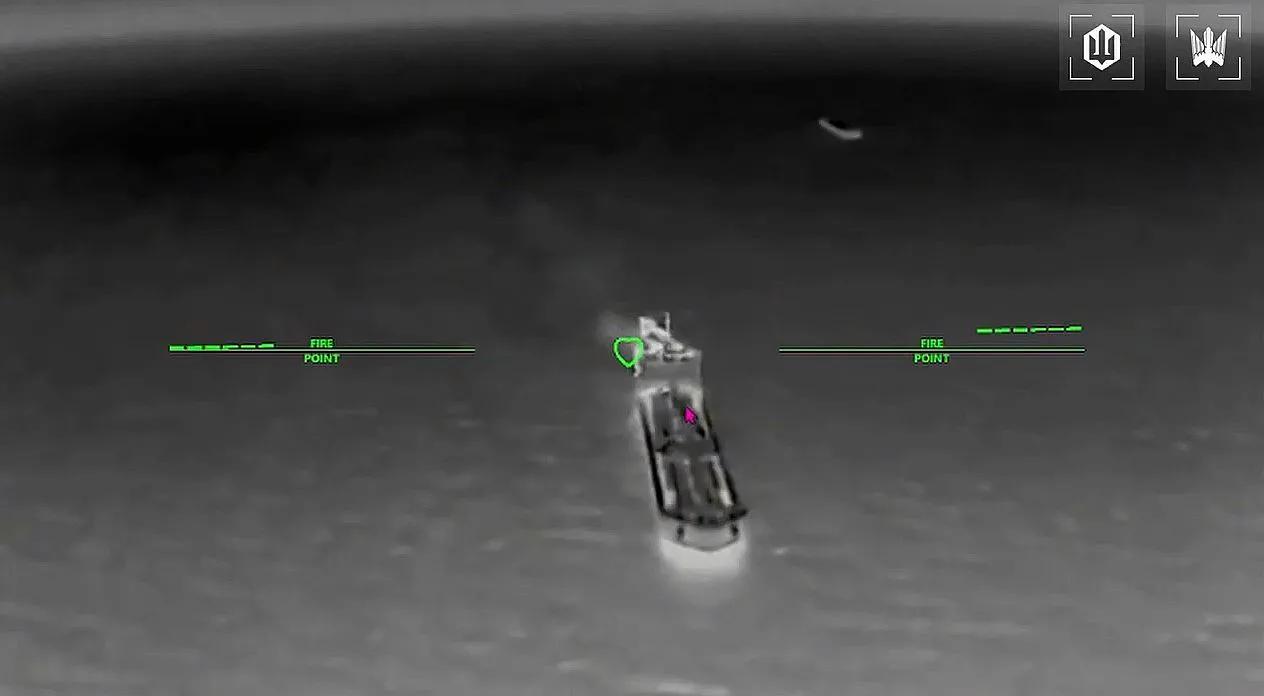
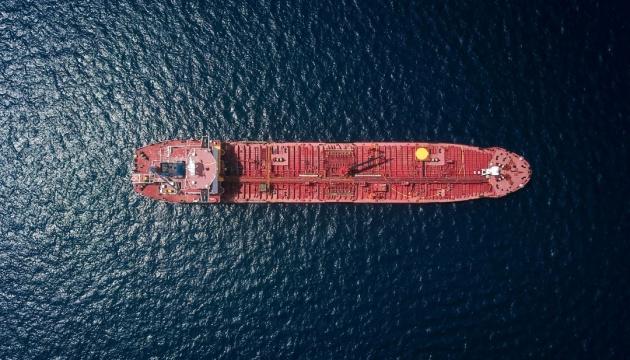
Ukrainian drones hit and set two Russian oil tankers ablaze in the Sea of Azov. Drones struck Russian oil depots in the Tver and Stavropol regions.
Oil depots hit by drones
Ukrainian drones attacked Russian oil facilities and set two oil tankers ablaze in the Sea of Azov, with the strikes described as part of a campaign targeting Russian energy sites that has triggered a fuel crisis across Russia.
“Drones hit oil depots in the Tver and Stavropol regions overnight into Thursday.”
Al Jazeera reported that drones hit oil depots in the Tver and Stavropol regions overnight into Thursday, and said Rostov Governor Yury Slyusar stated that one of the ships was still burning and the crews were evacuated.
The AP said the attacks came a day after U.S. President Donald Trump pledged to grant Kyiv a license to manufacture the Patriot air defense systems, while also noting that a top Ukrainian official cautioned it could take a year or more for Ukraine to produce Patriot interceptor missiles.
AP also reported that a Ukrainian drone strike sparked a fire at an oil depot in the western Russian city of Tver, and that oil reservoirs were set ablaze in Vyazniki in the southern Stavropol region, forcing the evacuation of nearby apartment buildings.
Russia’s Defense Ministry said its defenses downed 73 Ukrainian drones from late Wednesday until early Thursday, while Ukraine’s air force said Russia fired 94 long-range strike drones and two ballistic missiles at Ukraine overnight.
Patriot license and Kremlin response
Ukraine’s President Volodymyr Zelenskyy described the strikes as part of Kyiv’s campaign of “long-range sanctions” carried out in response to Moscow’s refusal to halt the fighting, and he said, “We have long proposed that Russia end this war, and every day of delay should bring the feeling of war to where it all began — to Russia.” The Kremlin said the license deal reflected what it called Washington’s “ambivalence,” and Kremlin spokesman Dmitry Peskov told reporters, “Further escalation may prolong the special military operation to some extent,” using Russia’s preferred term for the offensive. The AP said the Kremlin noted it appreciated Trump’s efforts to help broker a peace deal to end the war, which Russia launched over four years ago, while also saying Moscow has responded to the drone strikes by intensifying its bombardment on Kyiv and other cities.
Fox News reported that Zelenskyy told reporters, “Air defense is the priority,” during the bilateral meeting with Trump at the NATO summit in Ankara, where Trump said the United States would allow Ukraine to manufacture Patriot air-defense interceptors. Fox News also quoted Trump praising Zelenskyy as “very effective” and crediting Ukrainian forces with successfully operating American weapons against Russia’s much larger military.

Fuel crisis and next moves
The drone attacks on Russian oil depots and tankers have triggered a widespread fuel crisis, with the AP reporting gasoline shortages and rationing in multiple regions and motorists waiting for hours to fill their tanks. The AP said Moscow has responded by intensifying its bombardment on Kyiv and other cities, exposing Ukraine’s vulnerability to ballistic missile strikes, while Zelenskyy described the latest strikes on Russia’s infrastructure as part of “long-range sanctions.” L’Express reported that Russia imposed a diesel export ban through the end of July, quoting Russian Deputy Prime Minister Alexander Novak saying, “An export ban on diesel fuel has been put in place today,” and adding that it would remain in effect until July 31.
L’Express also said the measure was part of a series of steps aimed at supporting the domestic fuel market after systematic Ukrainian drone strikes against Russian oil refineries, and it cited Putin saying Ukraine was trying “to harm the Russian economy, but above all, to create a climate of anxiety within society.” In the background of the strikes, the AP reported that Ukraine’s drone attacks on oil refineries and other infrastructure across Russia have forced more than 90 percent of Russian regions to introduce some form of rationing or report shortages in petrol and diesel, according to official statements and local media reports.