Ukraine War12 November, 20252 min read
Ukrainian Forces Strike Stavrolen Petrochemical Plant Producing Polymers for Russian Military in Stavropol Region
This article is an automated aggregation of coverage from news outlets. Our editorials offer in-depth analysis curated by the NewsCord team.
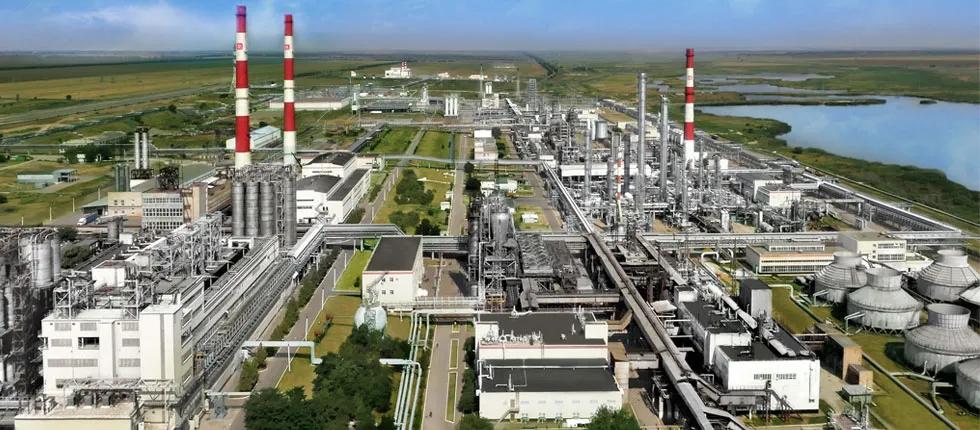
Ukrainian forces struck the Stavrolen petrochemical plant in Budyonnovsk, Stavropol Krai. The plant produces polymers and components used in Russian drones and military gear.
9 outlets told this the same way.
Strikes on Russian targets
Ukrainian military authorities reported an overnight strike on November 12 targeting the Stavrolen petrochemical plant in Budyonnovsk, Stavropol Krai, and an ammunition depot in the occupied Novyi Svit in Donetsk Oblast. Ukraine’s General Staff and Special Operations Forces said Deep Strike units and long-range drones struck Stavrolen, causing multiple explosions and a fire, and Kyiv said the aim was to degrade petrochemical production feeding Russia’s military-industrial complex. Local reports and videos circulated on Ukrainian channels claiming direct hits, while Ukrainian officials said assessment of damage is ongoing.
“Ukrainian forces said they struck two Russian targets overnight on November 12: the Stavrolen petrochemical/defense plant in Budyonovsk, Stavropol Krai, and an ammunition depot in the temporarily occupied Novyi Svit in Donetsk region.”
Stavrolen production and uses
Stavrolen is described across sources as a full-cycle hydrocarbon processor and a Lukoil subsidiary. It produces polyethylene, polypropylene, benzene and polymers used for composite materials, housings, seals, insulation and some UAV components.
Ukrainian officials say these products are used in Russian military equipment. Reports emphasize the plant’s role supplying the Russian military-industrial complex, and outlets note the facility has been previously targeted by Ukrainian strikes.

Deep-strike methods and goals
Ukrainian outlets and military statements emphasize using long-range, domestically developed drones and specialized Deep Strike units to hit deep inside Russia, framing the operations as part of a broader campaign against oil, gas, and military-industrial infrastructure.
“The strike is part of an ongoing Ukrainian campaign of deep strikes — often using domestically developed drones — that has increasingly targeted Russian oil and gas facilities to hit Moscow’s war funding.”
Ukrainian sources and analysts say these strikes aim to reduce Russia's ability to fund and sustain its offensive operations by degrading production of key materials and components.
Official account and verification
Russian local authorities, as reported in several outlets, presented a different account of the incident. Stavropol governor Vladimir Vladimirov framed it as a repelled drone attack and said falling debris sparked a fire, with preliminary reports indicating no casualties and no impact on homes or life-support systems. Independent verification of the full scale of damage remains pending, and several sources explicitly state that assessment and clarification of damage are ongoing.
Strike assessment and implications
Assessment and wider implications remain uncertain: Ukrainian sources frame the strike as a deliberate effort to weaken Russia's military supply chain, while multiple outlets caution that the full scope of damage and independent verification are outstanding.
“The strike is part of an ongoing Ukrainian campaign of deep strikes — often using domestically developed drones — that has increasingly targeted Russian oil and gas facilities to hit Moscow’s war funding.”
Some sources connect the strike to a broader pattern of Ukrainian deep strikes on energy and industrial infrastructure aimed at limiting Russia's war finance and materiel, but reporting tone varies from strategic framing in Western outlets to factual accounts with caveats elsewhere.
