Full Analysis Summary
Bnei Brak chase incident
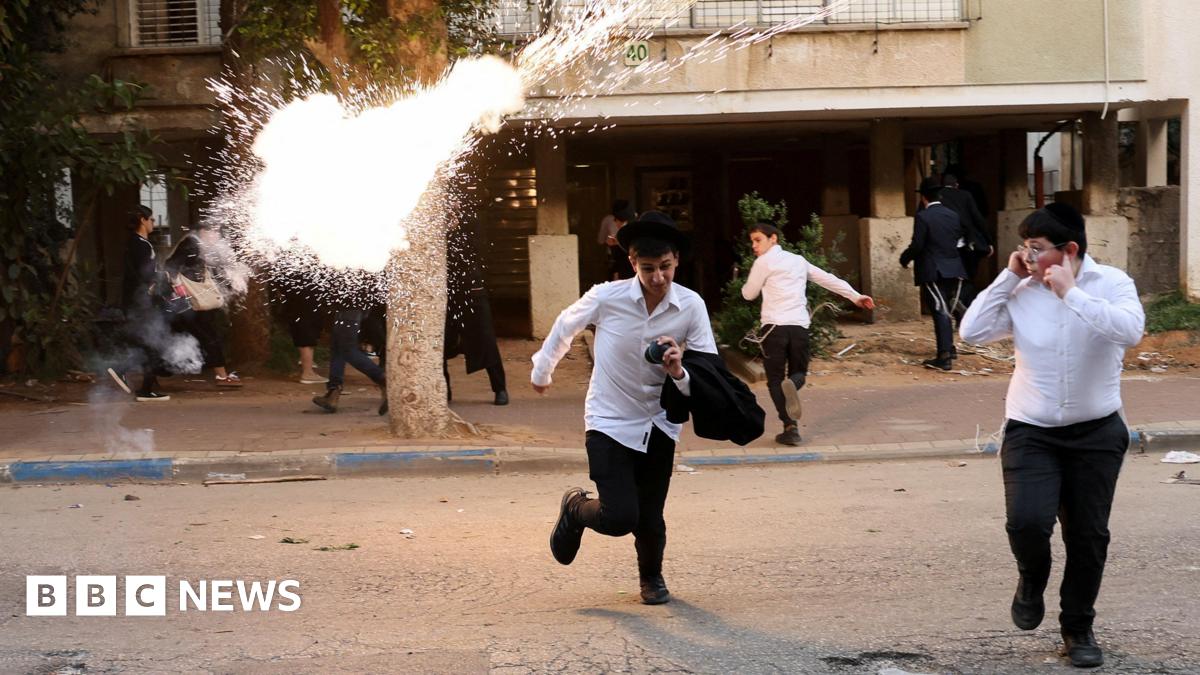
On 16 February 2026, two female Israel Defense Forces (IDF) soldiers were chased through the streets of Bnei Brak, an ultra‑Orthodox city.
Police rescued the soldiers by forming a protective barrier as rubbish and overturned bins littered the route.
More than 20 people were arrested in the incident.
Footage showed a crowd of ultra‑Orthodox men pursuing the soldiers after mistakenly believing they were handing out army conscription orders.
The incident is reported amid anger in the ultra‑Orthodox community over proposed reforms to mandatory military service.
Those reforms affect a service from which many Haredim have long been exempt.
Coverage Differences
Missed Information
Only one source (BBC, Western Mainstream) is available in the provided materials. Because no other source types (e.g., West Asian, Western Alternative) were supplied, I cannot contrast reporting, tone, or framing across different outlets. The BBC reports the chase, the police rescue, overturned bins, the arrests, and links the incident to anger over conscription reforms; no other sources were provided to confirm, contradict, or deepen these elements.
Conscription dispute context
The BBC situates the episode within a broader dispute over proposed changes to mandatory military service in Israel.
The BBC reports that many Haredim have long been exempt from conscription.
The article frames the proposed reforms, and the anger they provoked in the ultra-Orthodox community, as the immediate context for the confrontation in Bnei Brak.
Coverage Differences
Narrative Framing
Because only the BBC account is available, the framing here is limited to the BBC’s emphasis on the link between the chase and anger over conscription reforms and the longstanding exemption of many Haredim. I cannot state whether other outlets would emphasise other causes, such as policing tactics, misinformation, or political agitation, because no alternative sources were provided.
BBC account of the incident
According to the BBC, police intervened to protect the two soldiers and formed a human barrier while rubbish and overturned bins littered their escape route.
The article notes that more than 20 arrests were made.
The BBC's description relies on footage of the chase and on police action.
In the supplied excerpt, it does not provide statements from the arrested individuals or from community leaders.
Coverage Differences
Missed Information
The BBC report includes the police rescue and arrests but does not quote community leaders or arrested individuals in the excerpt provided. Without other sources, there is no way to verify whether those perspectives were available elsewhere or to present them here.
BBC account and limitation
The BBC piece's tone and severity are focused and factual.
It describes the chase, police rescue, overturned bins, arrests, and situates the event in the context of conscription reforms.
The supplied material includes only the BBC (Western Mainstream) account.
I cannot contrast how a West Asian outlet or a Western Alternative outlet might characterise the incident’s causes, victims, or broader political significance, and that lack of additional sources is an explicit limitation of this summary.
Coverage Differences
Tone
The BBC’s tone (as provided) is factual and descriptive, emphasising the chase and policing response and linking it to conscription reforms. Without West Asian or Western Alternative sources supplied, I cannot demonstrate differences in moral language, allegations, or use of terms like 'genocide' or 'pogrom' that might appear elsewhere; those potential contrasts cannot be asserted from the materials given.