
UN Chief Antonio Guterres Calls for Diplomacy as Israel Escalates Assault in Lebanon
Key Takeaways
- Guterres: no military solution; diplomacy to end Lebanon fighting.
- Southern Lebanon at risk of wasteland; civilians displaced by evacuation orders.
- France and others push diplomacy; Paris could host direct talks amid crisis.
Diplomatic Urgency
UN Secretary-General Antonio Guterres has issued urgent calls for diplomatic solutions to the escalating conflict in Lebanon.
“The United Nations secretary-general says the Lebanese people have been “dragged into” war, and has called for an end to the fighting, as Israel keeps up its assault on several areas of the country”
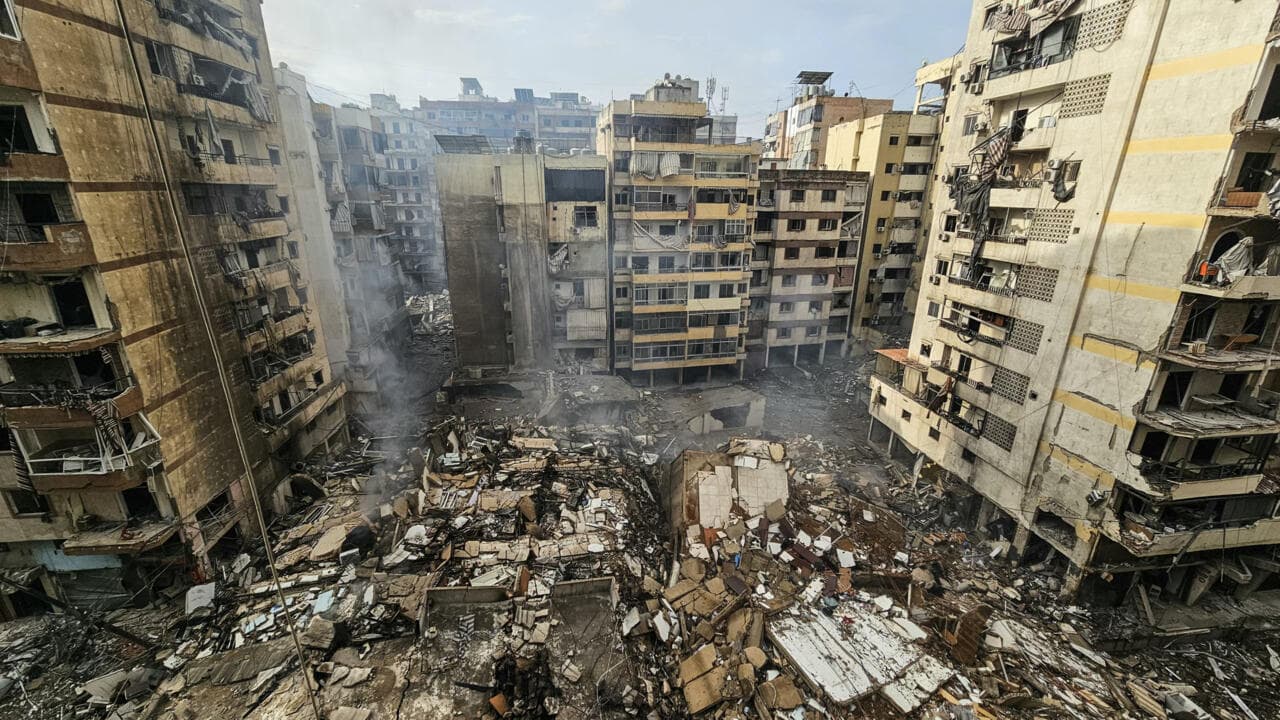
Guterres warned that southern Lebanon risks becoming 'a wasteland' and southern Beirut faces being 'bombed to oblivion' amid Israeli military operations.
Speaking at a news conference in Beirut, Guterres emphasized that 'there is no military solution, only diplomacy' as Israel continues its assault on multiple areas of the country.
The UN chief condemned Israeli evacuation orders covering 14 percent of Lebanon as potentially violating international humanitarian law.
He stated that 'whatever does not create enough security for civilians inevitably becomes in violation of international humanitarian law.'
His assessment comes amid growing international concern over the deteriorating humanitarian situation and potential for further regional escalation.
Humanitarian Crisis
The humanitarian crisis in Lebanon has reached catastrophic proportions with over 800,000 people internally displaced since the conflict began on March 2.
Guterres launched a $325 million flash appeal for emergency assistance to address the mounting humanitarian needs.
Turkey has expressed grave concerns about potential genocide, with Foreign Minister Hakan Fidan warning that Israel could commit 'genocide' in Lebanon.
The healthcare system has been particularly hard hit, with 31 paramedics killed this month according to Lebanon's health ministry.
The Hezbollah-affiliated Islamic Health Committee condemned attacks on its facilities, pledging such attacks would not deter them from 'performing our humanitarian duty'.
Israel accused Hezbollah of using ambulances for military purposes, creating a dangerous cycle of violence endangering medical workers and patients.
Diplomatic Efforts
International diplomatic efforts are intensifying to broker a ceasefire and negotiations between Israel and Lebanon.
“Southern Beirut, which is under sweeping evacuation orders by Israel, risks being bombed to oblivion,” Guterres told a news conference in Lebanon's capital”
French President Emmanuel Macron has taken a leading diplomatic role, announcing Lebanon's government is ready for 'direct talks' with Israel.
Macron offered to host negotiations in Paris, emphasizing that 'all sections of society must be represented in these talks'.
He warned that 'everything must be done to prevent Lebanon from descending into chaos.'
Lebanon is working to form a negotiating delegation at ambassadorial level to represent all Lebanese factions.
The likely venue for talks is Cyprus or another European capital, with reports suggesting Kushner's potential involvement.
No response has yet come from Washington regarding the proposed negotiations.
Civilian Impact
The Israeli military escalation has resulted in significant civilian casualties and widespread destruction across Lebanon.
On Saturday, a family of four was killed in the southern city of Sidon in an Israeli attack.

Another person was killed in a strike on a residential building in Bourj Hammoud, located east of Beirut.
In northern Beirut's Nabaa-Burj Hammoud area, a strike hit an apartment building that had been targeted the previous day.
Local residents expressed unprecedented fear, with one noting 'it's the first time this happens' in the area spared during the 2024 conflict.
Another resident stated 'there's no safety anymore... you never know where a strike will come from.'
The Israeli military reported striking 'approximately 110 Hezbollah command centres' since the regional conflict began.
It claimed to have targeted Hezbollah operatives bringing rockets into a weapons depot in Majedel near Burj Qalawiya.
Military vs Diplomacy
The deepening conflict has created a stark divide between military and diplomatic approaches to resolving the crisis.
“and through key member states,” he said on Saturday during a visit to Beirut”
The UN and European powers advocate for immediate negotiations while Israel continues its military operations.
Guterres has positioned the UN as a key mediator, stating that a UN special coordinator is 'engaging with all actors around the clock to bring the parties to the table'.
He warned that attacks on UN peacekeepers are 'completely unacceptable.'
The international community's response has been mixed, with France and Turkey taking proactive diplomatic roles.
The US remains relatively silent on the proposed negotiations.
The Lebanese government faces the challenge of representing all national factions in potential talks while maintaining sovereignty.
The situation remains highly volatile as both military operations and diplomatic efforts continue simultaneously.
More on Lebanon
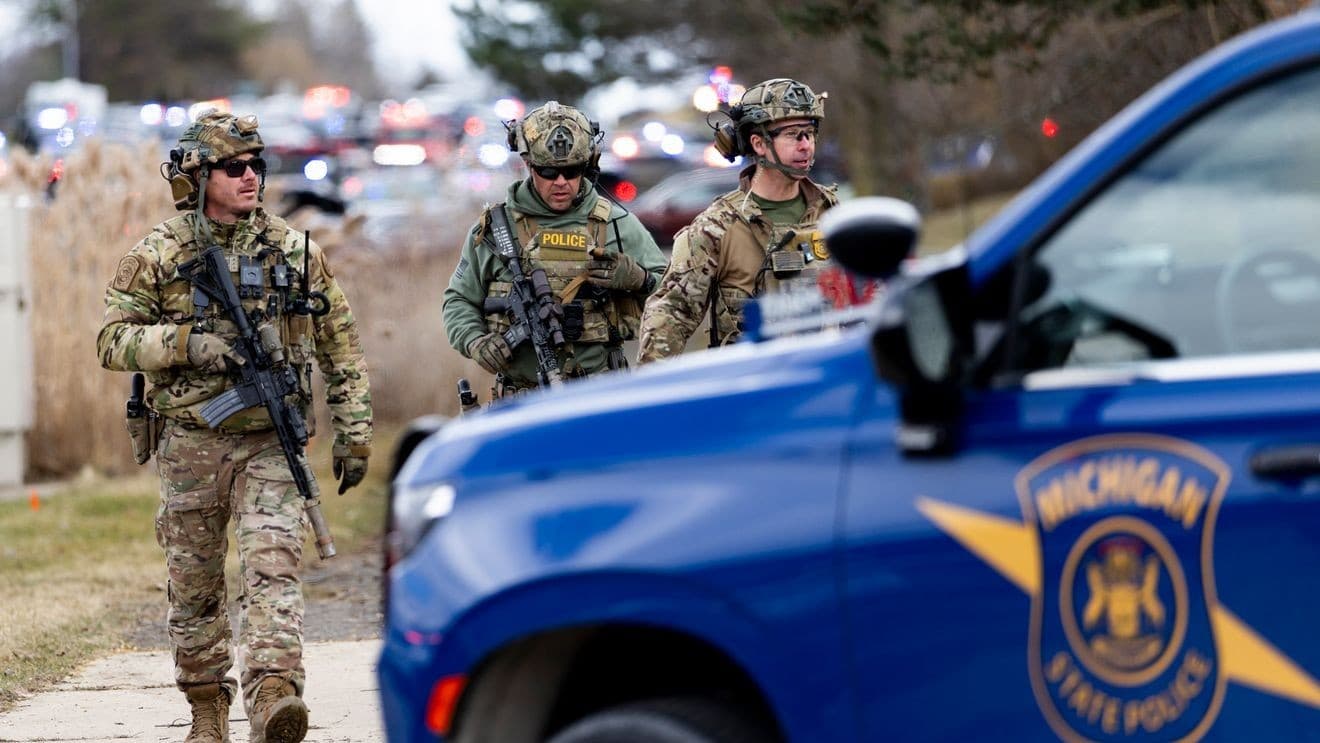
IDF says Michigan synagogue attacker's brother was Hezbollah commander
32 sources compared

U.S. Bombs Iran's Kharg Island Oil-Export Hub, President Trump Says
126 sources compared
Israel Kills 12 Medical Workers at Lebanon Clinic
14 sources compared

Hezbollah Fires 200 Rockets at Israel From Lebanon
17 sources compared