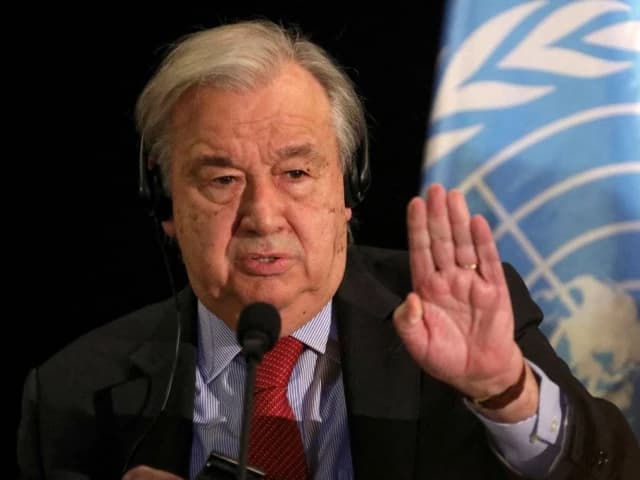
UN Chief Guterres Warns Israel, Iran, U.S. War Pushes Middle East To Breaking Point
Key Takeaways
- Guterres warned Iran–Israel–United States escalation pushes the Middle East toward a breaking point
- Guterres demanded immediate negotiations, saying the world 'desperately needs an off-ramp'
- He linked the escalation to the ongoing war among Iran, Israel and the United States
Scope and limits
Note on scope and sources: The material below is drawn solely from the provided Express Tribune report; that article does not quote or attribute a statement directly to UN Secretary‑General António Guterres, so this summary focuses on the documented warnings, statements and developments the Express Tribune covers about how the Israel–Iran–U.S. war has driven the Middle East toward a wider breakdown.
“UN chief warns Mideast escalation pushing region to 'breaking point', calls for immediate negotiations Says the region and the world 'desperately need an off-ramp' United Nations Secretary General Antonio Guterres warned on Thursday that military escalation in the Middle East as the war between Iran, Israel and the United States drags on was pushing the region to the "breaking point" and demanded an immediate return to the negotiating table”
The Express Tribune piece frames Iran’s responses, Gulf concerns, US costs and economic disruptions as central drivers of regional escalation.
Iran's escalatory rhetoric
Iran’s leadership framed its strikes as punitive retaliation and threatened continued, escalatory measures: senior Iranian figures vowed to exact compensation, to close the Strait of Hormuz and to strike US regional assets.
The article quotes commands to “demand compensation from the enemy” and threats to “destroy his property” if funds could not be seized, while the IRGC navy commander said: “we will deliver the harshest blows to the aggressor enemy while maintaining the strategy of closing the Strait of Hormuz.”
The IRGC further claimed missile and drone blows against the “terrorist American Fifth Fleet at Mina Salman Port.”
Threats of regional impact
Iranian officials also signalled measures designed to inflict broader regional pain: Ali Larijani warned that crippling Iran’s power grid would plunge the whole region into darkness “in less than half an hour,” creating vulnerabilities for US forces.
“UN chief warns Mideast escalation pushing region to 'breaking point', calls for immediate negotiations Says the region and the world 'desperately need an off-ramp' United Nations Secretary General Antonio Guterres warned on Thursday that military escalation in the Middle East as the war between Iran, Israel and the United States drags on was pushing the region to the "breaking point" and demanded an immediate return to the negotiating table”
Parliament Speaker Mohammad Bagher Ghalibaf threatened that any attack on Iranian islands would “shatter all restraint” and make “the Persian Gulf run with the blood of invaders,” assigning responsibility to President Trump for US soldiers’ blood.
Those statements, as reported, underline Tehran’s intent to raise costs on US and allied actors across the region.
Human and economic tolls
The Express Tribune highlights mounting human and economic costs that feed the sense of a region near breaking point: the piece cites an estimate that the first six days of US operations cost at least $11.3 billion.
It notes Al Jazeera’s reporting that the war had “killed around 2,000 people,” and records UNICEF’s warning that “more than 1,100 children had been killed or injured.”
It also links attacks on tankers and oil infrastructure to large swings in global oil prices, citing Iranian officials’ taunt — “Get ready for oil to be $200 a barrel” — and market moves that briefly pushed prices toward $120 a barrel and then back above $100.
These costs and market shocks amplify pressure on governments across the Gulf to avoid deeper escalation.
Gulf restraint and risks
Gulf states are depicted as torn between anger and restraint: while Gulf governments protest strikes on their territories and bolster defences — Bahrain reported destroying 105 missiles and 176 drones — leaders publicly promote diplomacy and coexistence to avoid a wider war.
“UN chief warns Mideast escalation pushing region to 'breaking point', calls for immediate negotiations Says the region and the world 'desperately need an off-ramp' United Nations Secretary General Antonio Guterres warned on Thursday that military escalation in the Middle East as the war between Iran, Israel and the United States drags on was pushing the region to the "breaking point" and demanded an immediate return to the negotiating table”
The Express Tribune cites Gulf officials’ insistence that escalation would be damaging for all, even as attacks on ports, tankers and regional infrastructure (including alleged explosive‑boat strikes that set tankers ablaze in Iraqi waters) and disputed incidents such as the Salalah port event in Oman keep tensions high and uncertain.
More on Iran
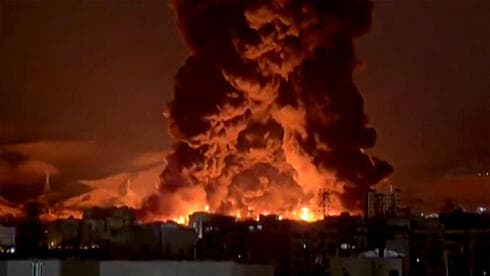
US obliterates military targets on Iran’s Kharg Island, Trump warns
13 sources compared
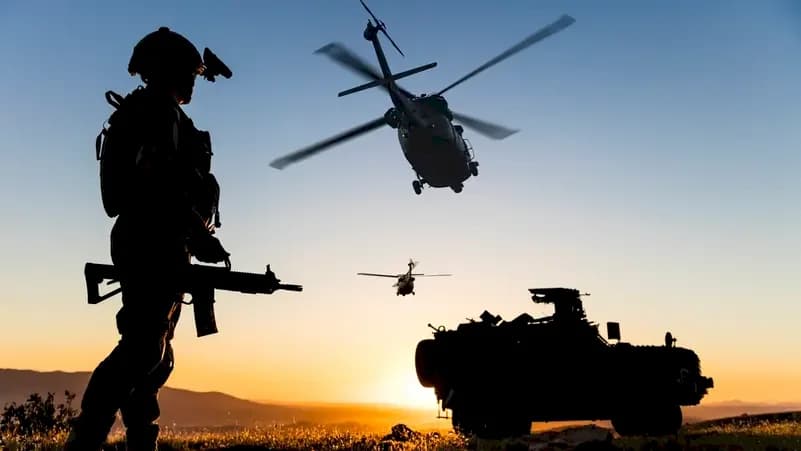
US Deploys About 2,500 Marines to Middle East After Iran Attacks Gulf Shipping
33 sources compared
FBI Warns of Iranian Drone Plot Based on Unverified Tip; California Says No Credible Threat
10 sources compared

White House Demands ABC Retract Report Claiming Iran Sought To Launch Drone Attacks On California
11 sources compared