Full Analysis Summary
Early Release of War Crimes Convict
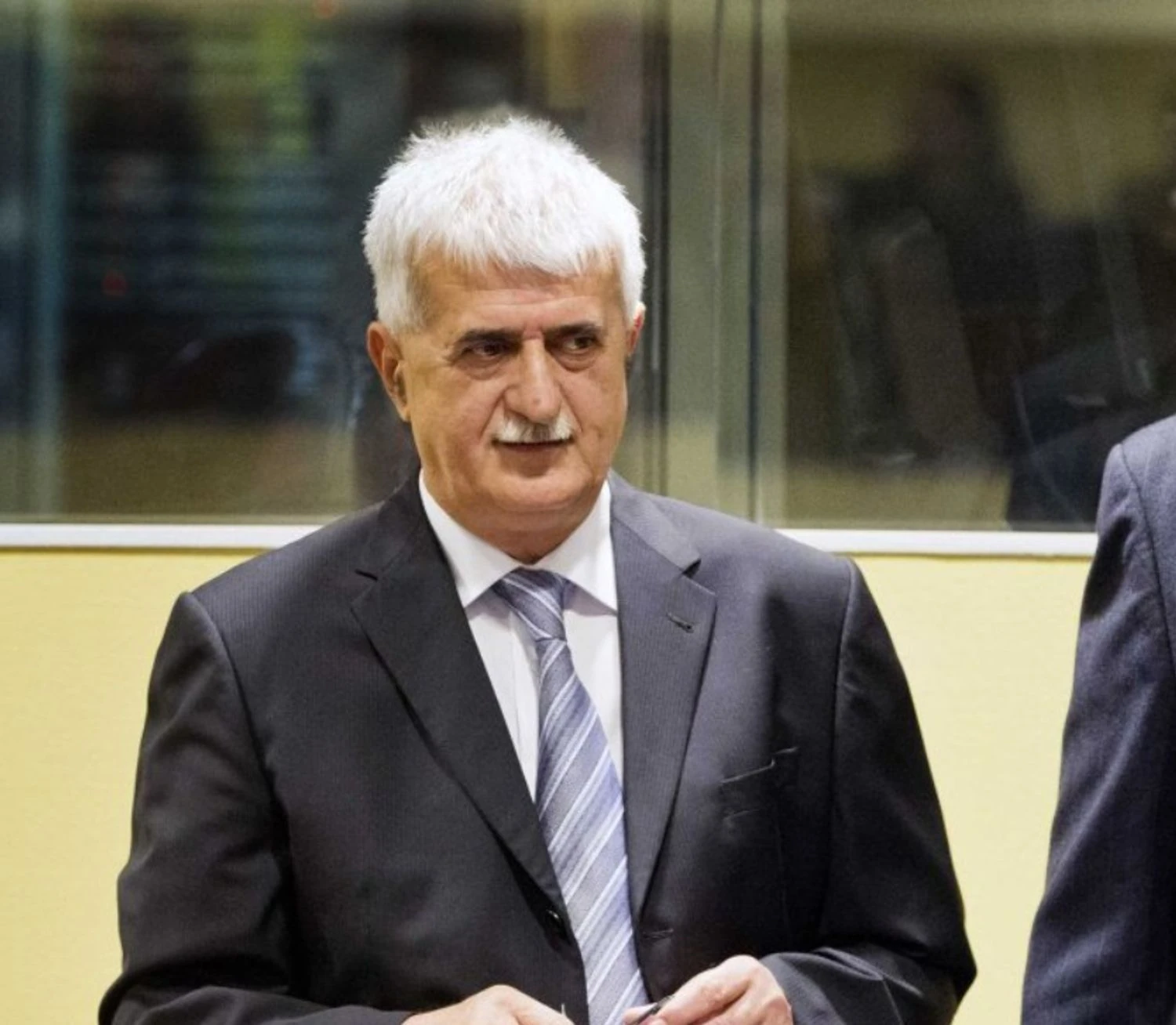
A United Nations court in The Hague approved the early release of Bruno Stojić, the former Bosnian Croat defense minister convicted of war crimes from the 1992–1995 Bosnian war.
He received a 20-year sentence, with the court highlighting his acceptance of responsibility, good behavior in prison, and public expressions of regret.
The court also assessed him as a low risk of reoffending.
Judge Graciela Gatti Santana referenced Stojić’s prospects for reintegration.
He was ordered released from detention in Austria to return to Croatia.
Stojić surrendered to the ICTY in 2004.
The decision comes despite convictions related to murders and deportations aimed at altering the ethnic composition in areas claimed by Bosnian Croats.
This underlines the severity of the crimes weighed against mitigation factors for release.
Coverage Differences
Tone/Narrative
Arab News (West Asian) emphasizes the gravity and purpose of Stojić’s crimes—murder, deportation, and efforts to alter ethnic composition—before detailing release justifications, signaling a severity-forward narrative. Українські Національні Новини (Western Mainstream) foregrounds judicial rationale—acceptance of responsibility, good behavior, regret, and reintegration prospects—presenting an institutional-process framing.
Missed information
Українські Національні Новини (Western Mainstream) includes the judge’s name and reintegration factors but omits the logistics of release and surrender timeline. Arab News (West Asian) adds that he was ordered released from detention in Austria to return to Croatia and that he surrendered to the ICTY in 2004—details not present in the Ukrainian outlet’s snippet.
Summary of Stojić’s War Crimes Case
Both sources agree Stojić’s case stems from the 1992–1995 Bosnian war, but they differ in emphasis.
Arab News details that his 20-year sentence covered crimes including murder and deportation of Bosnian Muslims as part of an effort to reshape ethnic demographics, and situates the conflict’s toll at roughly 100,000 deaths.
The Ukrainian outlet characterizes his crimes more generally as war crimes against Bosniaks, while focusing on court process rather than casualty figures or ethnic-engineering motives.
Arab News also notes he was sentenced in 2013 and had surrendered to the ICTY in 2004, adding a timeline absent from the Ukrainian report.
Coverage Differences
Narrative
Arab News (West Asian) frames Stojić’s crimes within a deliberate campaign to alter ethnic composition and quantifies the war’s human cost (~100,000 deaths), while Українські Національні Новини (Western Mainstream) summarizes them as war crimes against Bosniaks without casualty data or explicit mention of demographic-engineering intent.
Missed information
Arab News (West Asian) provides a timeline—surrender to the ICTY in 2004 and a 2013 sentencing—details not present in Українські Національні Новини (Western Mainstream), which instead highlights judicial reasoning and reintegration prospects.
Court's Approach to Rehabilitation
The court’s rationale blends accountability with rehabilitation.
Both outlets report acceptance of responsibility, good behavior, and expressions of regret as central factors.
Arab News adds the court’s explicit view of a low risk of reoffending and notes the order for release from Austria to Croatia.
The court also urges Stojić to keep reflecting and aid reconciliation.
Українські Національні Новини highlights Judge Graciela Gatti Santana’s reference to successful reintegration.
This signals judicial confidence in post-release outcomes despite the gravity of the convictions.
Coverage Differences
Tone/Narrative
Arab News (West Asian) balances release rationales with a strong reminder of the crimes’ severity and urges for reconciliation, while Українські Національні Новини (Western Mainstream) accentuates institutional criteria and the judge’s assessment of reintegration, foregrounding procedural and rehabilitative framing.
Missed information
Українські Національні Новини (Western Mainstream) omits the court’s reconciliation appeal and the low-risk assessment; Arab News (West Asian) includes both but does not name the judge or stress reintegration prospects as explicitly.
Comparing International News Coverage
Coverage scope diverges between the two news outlets.
Arab News concentrates on the Bosnia-specific context and chronology, underlining the ethnic-targeting nature of the crimes and the human toll.
Українські Національні Новини places the ruling within a broader Hague-related news wrap.
The Ukrainian outlet adds that a special tribunal on aggression against Ukraine will not try Putin, Mishustin, or Lavrov in absentia while they remain in power, which is possible only after Putin’s resignation.
It also briefly notes the Netherlands’ review of an export license for F-35 parts to Israel and the Philippines’ denial of an ICC arrest-warrant claim tied to a Duterte ally.
This juxtaposition shows Arab News’ deep dive on Stojić versus the Ukrainian outlet’s multi-issue snapshot of international justice and geopolitical implications.
Coverage Differences
Unique/Off-topic coverage
Українські Національні Новини (Western Mainstream) expands beyond Stojić, reporting on the special tribunal on aggression against Ukraine and other Hague-adjacent developments, whereas Arab News (West Asian) remains tightly focused on the Bosnian case and its historical context.
Tone
Arab News (West Asian) adopts a solemn, conflict-centered tone, specifying the ethnic-targeting nature of crimes and the death toll; Українські Національні Новини (Western Mainstream) adopts a bulletin-style tone that integrates the Stojić ruling with contemporaneous international justice items.