Full Analysis Summary
Kobane aid delivery
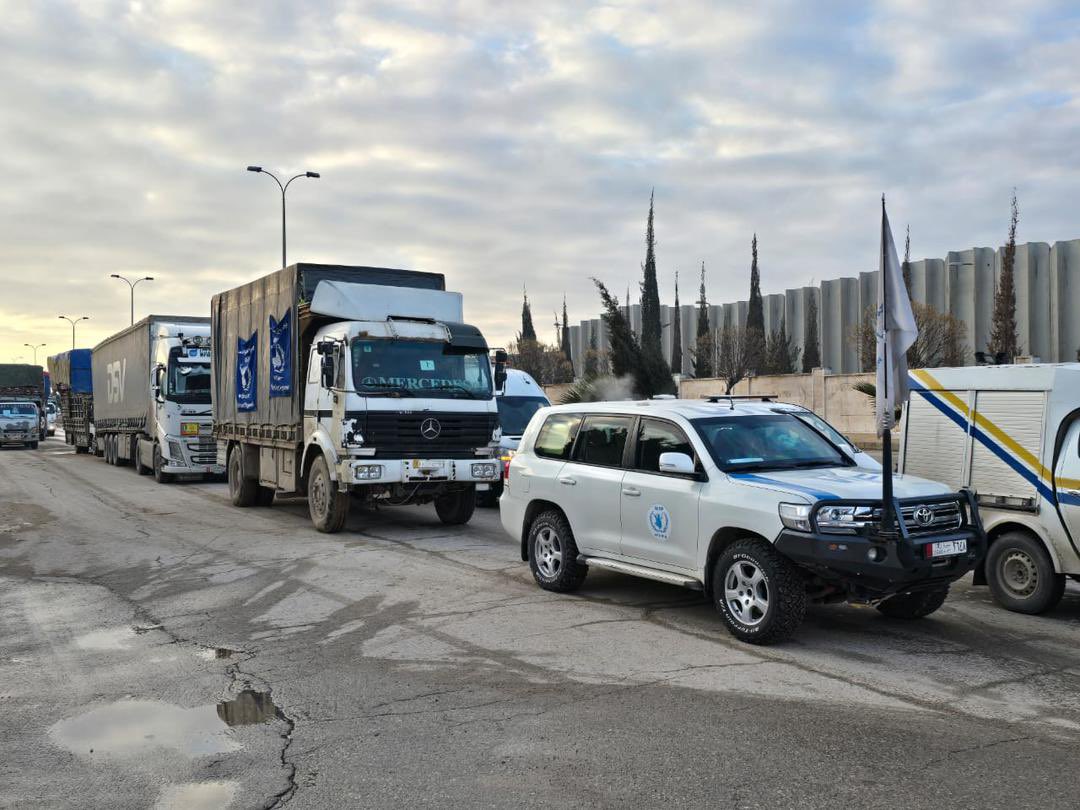
A UN convoy of 24 trucks carrying life-saving aid, including fuel, bread and ready-to-eat rations, reached the Kurdish-majority town of Ain al-Arab (Kobane) in northern Aleppo province.
The delivery came as a truce between the Syrian army and the Kurdish-led Syrian Democratic Forces (SDF) remained in place.
Al Jazeera reports the operation was coordinated with the Syrian government, and Damascus says it opened two corridors, to Ain al-Arab and nearby Hasakah, to allow aid in.
The report emphasized the convoy's contents and the scale of the mission, describing the fragile pause in hostilities that made the delivery possible.
Coverage Differences
Narrative emphasis
Al Jazeera (West Asian) emphasizes the UN-coordinated convoy, the contents of the aid (fuel, bread, ready-to-eat rations) and the Syrian government’s role in opening corridors to facilitate deliveries; kurdistan24.net (West Asian) focuses on Kurdish-led or regional relief efforts, infrastructure stabilization and sustained crossing logistics rather than the UN convoy itself.
Ceasefire and detainee transfers
The truce followed clashes earlier in the month over a dispute about integrating the SDF into the Syrian army.
Under U.S. pressure the sides first agreed a four-day ceasefire that was later extended by 15 days, according to Al Jazeera.
Damascus said the renewed pause was to facilitate a U.S. operation to transfer roughly 7,000 ISIL detainees from SDF-run prisons to facilities in Iraq.
By Sunday night both sides were accusing each other of violations.
The situation therefore remains fluid because the truce enabled humanitarian access but did not resolve the underlying political and security tensions.
Coverage Differences
Reported motivations and security claims
Al Jazeera (West Asian) reports Damascus’s explanation that the truce was to facilitate the transfer of ISIL detainees and also notes mutual accusations of violations; kurdistan24.net does not report on the detainee-transfer rationale in its summary, instead concentrating on humanitarian operations and aid figures, reflecting different focal points rather than direct contradiction.
Ain al-Arab humanitarian crisis
Al Jazeera highlights the dire humanitarian situation inside Ain al-Arab, a town of roughly 400,000 people.
The town is reported to have been surrounded by government forces and cut off from electricity and water for days, with the SDF accusing those forces of imposing a siege.
The outlet frames the UN delivery as urgently needed against that backdrop and points to the precariousness of reliance on ceasefires for life-saving access.
Coverage Differences
Tone and severity
Al Jazeera uses terms and details that convey severity — 'surrounded', 'cut off from electricity and water', 'accused of imposing a siege' — emphasizing humanitarian urgency; kurdistan24.net focuses more on operational aid metrics and longer-term stabilization (schools, diesel, meals) rather than describing immediate warfare-induced deprivation in Kobane.
BCF relief in Rojava
Kurdistan24 reports that the Barzani Charity Foundation (BCF), acting on Prime Minister Masrour Barzani’s directive, prioritized stabilizing essential infrastructure in Rojava, especially education.
BCF delivered diesel to heat 81 schools and sent 22-item health and food kits to 30 schools.
The operation reached 5,827 families (34,227 people), provided 3,500 hot meals daily, and created about 200 local jobs.
Coverage highlights the Kurdistan Region’s logistical role via the Fishkhabour–Semalka crossing and frames the effort as part of a continuing national and humanitarian response following the February 2023 earthquake.
Coverage Differences
Unique/off-topic focus
kurdistan24.net (West Asian) provides detailed local operational data and emphasizes Kurdish regional responsibility and infrastructure stabilization (schools, jobs, meals); Al Jazeera (West Asian) does not provide these BCF operational details and focuses instead on the UN convoy and the ceasefire context — showing kurdistan24.net’s more granular, regionally focused humanitarian reporting versus Al Jazeera’s broader conflict-angle coverage.
Regional coverage and uncertainties
Limitations and outstanding questions remain.
Both sources are West Asian outlets and therefore reflect regional perspectives.
Al Jazeera focuses on the UN convoy, siege allegations, and the detainee-transfer rationale offered by Damascus.
kurdistan24.net emphasizes regional Kurdish-led relief operations and logistics through the Fishkhabour–Semalka crossing.
Neither excerpted piece includes statements from UN officials confirming the detainee-transfer claim, independent verification of alleged siege tactics, or broader international or U.S. government commentary beyond a brief mention of U.S. pressure.
These omissions leave important details ambiguous and contested.
Coverage Differences
Missed information and ambiguity
Both sources omit direct quotes from UN officials about the detainee transfer and lack independent verification of siege claims; Al Jazeera reports Damascus’s claim about detainee transfers while kurdistan24.net omits it and instead reports operational aid metrics — illustrating how each source’s focus creates gaps in the overall picture.