Lebanon19 November, 20253 min read
UN Expert Says Israel Commits War Crimes in Southern Lebanon, Its Strikes Threaten Peace Efforts
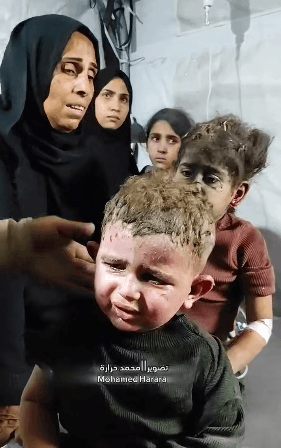
Israeli strikes in Gaza killed at least 28 Palestinians during a ceasefire breach. Ain al-Hilweh refugee-camp strike in southern Lebanon killed at least 13 Palestinians.
17 outlets told this the same way.
Outlets did split on Lebanon’s Judiciary Prepares To Apply General Amnesty Law No. 70, Judge Ahmed Rami Al-Hajj Says →
Ain al-Hilweh strike reactions
UN Special Rapporteur Maurice Tedbal Bins publicly condemned an Israeli strike on the Ain al-Hilweh Palestinian refugee camp in Sidon, southern Lebanon, calling the attack a war crime. He said the strike was part of a 'worrying pattern' of attacks on populated areas that ignore the ceasefire and undermine Lebanese peace efforts. Reports of the death toll vary, cited as '13 dead or 14 including 12 children'.
“Maurice Tedbal Bins, the UN Special Rapporteur on extrajudicial executions, condemned an Israeli strike on the Ain al-Hilweh Palestinian camp in Sidon, southern Lebanon, calling it a war crime and part of a ‘worrying pattern’ of strikes on populated areas that disregard the ceasefire and Lebanese peace efforts.”
Witnesses and videos shared by local sources described the victims as youths, scouts and boys who had been playing on an open sports field near a mosque. Israel said it had targeted and killed 13 Hamas members it described as fighters or 'terrorists' training to attack Israeli forces.
Hamas and local Palestinian sources denied military installations existed at the site and characterized the strike as civilian killings. The UN expert framed repeated attacks on civilians and civilian infrastructure as potential war crimes and violations of the UN Charter, stressing the pattern of strikes on populated areas.
Ain al-Hilweh and Gaza overview
The Ain al-Hilweh strike occurred as Israeli forces launched heavy strikes across Gaza and southern Lebanon, which multiple outlets described as breaches of the ceasefire. Al Jazeera and The New Arab reported that one recent wave of Gaza strikes killed at least 28 people and wounded dozens. Other outlets, including Mathrubhumi English and Attack of the Fanboy, recorded single-day tolls in the mid‑20s, while local Gaza health authorities continue to provide differing cumulative totals.
Israeli statements framed the raids as responses to militants firing on its troops near Khan Younis. Hamas denied such incidents and called the strikes a pretext or 'dangerous escalation,' and Palestinian medics described large numbers of civilian casualties, including women and children.

Gaza ceasefire and diplomacy
Observers and analysts cited by several outlets warned these strikes risk undermining the fragile ceasefire and international credibility, and said diplomatic maneuvers are unfolding alongside the fighting. Al Jazeera and Latest news from Azerbaijan reported the UN Security Council had endorsed a U.S.-backed Gaza plan to deploy an "international stabilisation force" and a "board of peace," a proposal rejected by Hamas and rights groups like Al‑Haq as threatening Palestinian self‑determination. National Herald and The New Arab similarly framed the diplomatic move as contentious, while analysts told some outlets that repeated alleged ceasefire violations, with reported counts varying, test international leverage and could prolong or widen the violence without stronger external pressure.
“Separately, the UN Security Council passed a U.S.-backed resolution endorsing a Gaza peace plan that would deploy an ‘international stabilisation force’ and establish a ‘board of peace’ to govern the territory only if Hamas relinquishes control; Hamas and other Palestinian factions rejected the plan and rights group Al-Haq warned the vote could undermine Palestinian self-determination.”
Media and humanitarian coverage
Legal and humanitarian observers differed in tone and emphasis across reporting. A UN expert’s legal wording, which described repeated strikes on civilians and civilian targets as potential war crimes, was prominent in West Asian outlets. Regional and other outlets emphasized broader humanitarian impacts and cumulative casualty tallies.
Some sources recorded strong rhetoric from Palestinian factions; for example, Latest News from Azerbaijan quoted Hamas accusing Prime Minister Netanyahu of trying to "resume the genocide" of Palestinians, and the wording was presented as Hamas's claim rather than as an established fact. Independent and local reports noted restricted access for journalists in some blast zones, which complicated independent verification and contributed to divergent narratives.
