Sudan14 November, 20252 min read
UN Human Rights Council Deploys Fact-Finding Mission to Investigate Rapid Support Forces Massacre in El Fasher
This article is an automated aggregation of coverage from news outlets. Our editorials offer in-depth analysis curated by the NewsCord team.
UN Human Rights Council approved an independent fact-finding mission to investigate el-Fasher atrocities. Rapid Support Forces seized el-Fasher and allegedly carried out mass killings, rapes, and executions.
19 outlets told this the same way.
Outlets did split on Air Strike Destroys Two WFP Trucks Carrying Food for 5,800 People in South Kordofan →
UN orders Darfur investigation
The UN Human Rights Council convened a special session and ordered an independent fact-finding mission to investigate alleged mass atrocities in El Fasher, North Darfur, after the paramilitary Rapid Support Forces (RSF) seized the city following an 18-month siege. The resolution tasks the UN's Independent International Fact-Finding Mission on Sudan to document violations, identify suspected perpetrators and preserve evidence for possible accountability.
“The UN Human Rights Council held a special session Friday on El Fasher, Sudan, to consider a request for a fact-finding mission... The draft resolution the Council voted on condemns large-scale reported abuses ... and asks for an urgent fact-finding investigation into violations in El Fasher and surrounding areas to identify those responsible.”
It was adopted by consensus, though some states disassociated from parts of the text. The decision responded to mounting reports of large-scale abuses in and around El Fasher and was pushed by Britain and co-sponsors including Germany, Ireland, the Netherlands and Norway.

Atrocities in El Fasher
Reported atrocities in and around El Fasher include ethnically motivated executions, gang rapes and other systematic sexual violence, abductions, torture, house-to-house killings, attacks on health facilities, and alleged mass burials. Medics and investigators have described parts of the city as a 'crime scene' or a 'killing ground'. The World Health Organization and multiple sources report large numbers of deaths at specific sites, with WHO and investigative accounts cited by several outlets saying more than 450 people were killed at the Saudi Hospital, while other reports and agencies warn the overall death toll and scale of sexual violence could be far higher.
Calls for El Fasher accountability
UN High Commissioner for Human Rights Volker Türk and advisers from the UN and African Union described the El Fasher reports as foreseeable, preventable and potentially amounting to the gravest crimes. Türk urged urgent international action and criticised the lack of an effective response.
“Volker Türk described 'shocking atrocities' after the takeover... 'We are watching you.'”
He called for measures against individuals and companies that were fuelling and profiting from the conflict. His warnings were echoed in multiple reports that urged preservation of evidence and accountability, and some outlets quoted him in strongly worded terms.
Reactions to HRC resolution
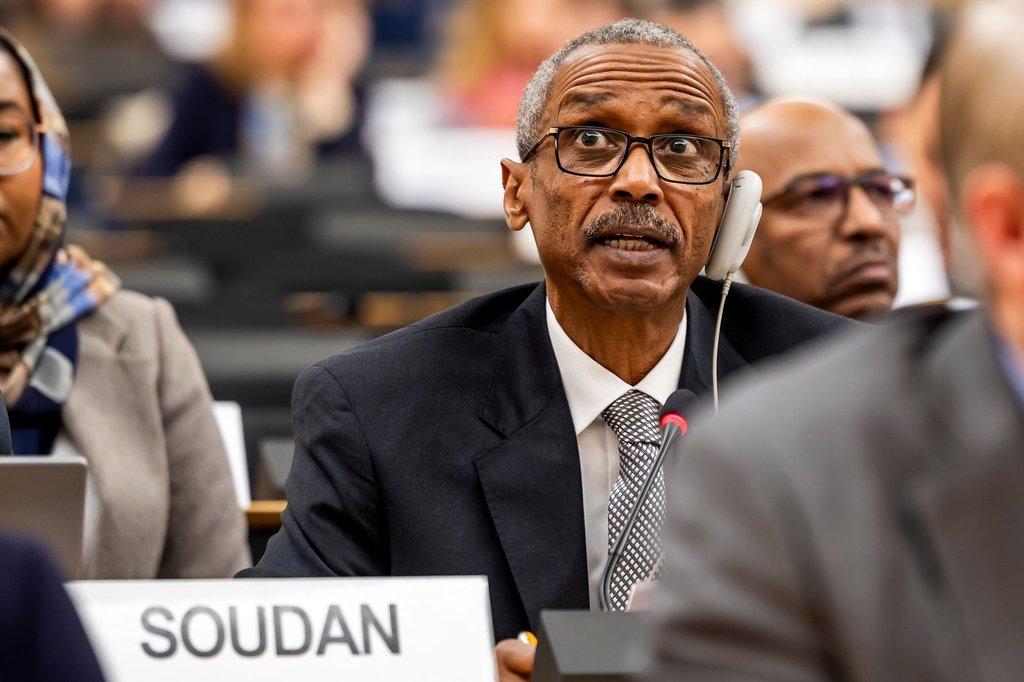
Political responses and contested narratives accompanied the HRC move, with Sudan’s UN representative and other states dissociating from parts of the text. Sudan accused external backers, naming the UAE, of arming the RSF, an allegation the UAE denied.
Some coverage noted the final text stopped short of mandating formal probes into external support, a gap criticised by Sudan’s envoy and some observers. Western sponsors and supporters, including the UK, EU members, Norway and Ghana, publicly backed the resolution while others emphasised the council’s limited enforcement powers.

Displacement, aid, and accountability
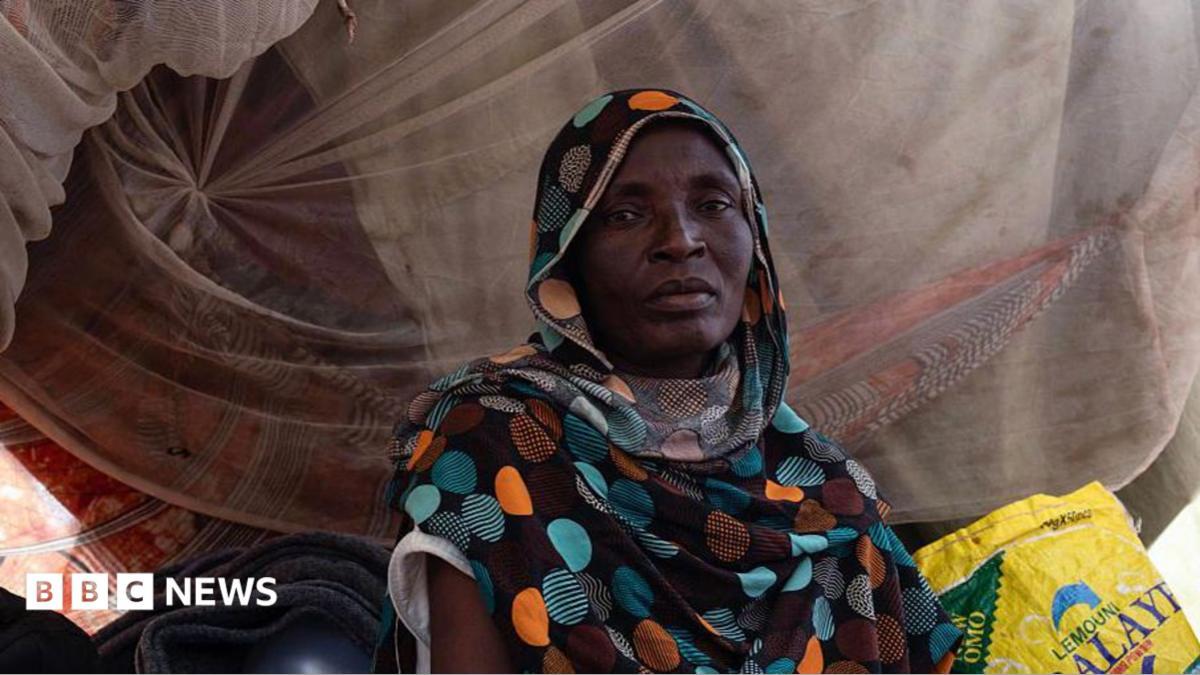
Humanitarian consequences and accountability prospects were central to reporting. Nearly 100,000 people fled El Fasher in a short period. Relief agencies are scaling up supplies.
“Nearly 100,000 people have fled El Fasher in the past two weeks after paramilitary Rapid Support Forces (RSF) seized the town...”
The Human Rights Council has no enforcement power. Its fact-finding remit focuses on documenting abuses and preserving evidence for possible prosecutions by bodies like the ICC, which is reportedly monitoring and taking steps to preserve evidence.
Coverage varies on broader casualty figures from the wider 2023-onward conflict, with estimates ranging from at least 40,000 to more than 150,000 killed. Some outlets concentrate on immediate displacement and aid needs while others stress long-term legal accountability.