Sudan01 July, 20263 min read
UN Human Rights Council Orders Urgent Investigation Into Rapid Support Forces Abuses In Al-Obeid
This article is an automated aggregation of coverage from news outlets. Our editorials offer in-depth analysis curated by the NewsCord team.
UN Human Rights Council adopts urgent investigation into RSF abuses in El-Obeid. The resolution, unanimously approved, calls for fact-finding to document violations and hold perpetrators accountable.

UN orders probe in El Obeid
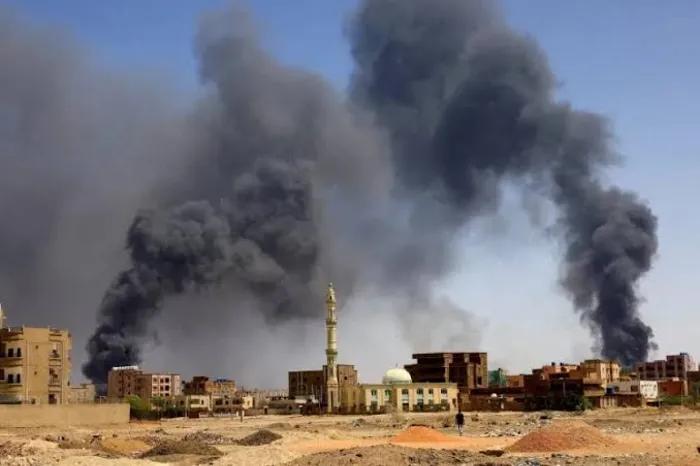
The UN Human Rights Council ordered an urgent investigation into abuses and violations in the Sudanese city of Al-Obeid, warning of an imminent risk of "widespread atrocities" in a city besieged by the Rapid Support Forces. The Council, based in Geneva, adopted a resolution expressing "deep concern at the imminent risk of widespread atrocities" in Al-Obeid and tasked a UN independent fact-finding mission to conduct an "urgent investigation into any violations and abuses of international law" suspected to have occurred there. The International Organization for Migration warned that Al-Obeid could become a "new Al-Fashir" as the city faces drone attacks by the Rapid Support Forces targeting the main power plant, fuel stations, and other civilian sites.
Al Jazeera reported that the UN warnings came as Al-Obeid, the capital of North Kordofan state in southern Sudan, could meet the fate of Al-Fashir, the capital of North Darfur, following attacks by the Rapid Support Forces. On 12 May, the UN warned of rising drone attacks in Kordofan, saying those strikes killed at least 880 civilians between January and April 2026.

Britain chairs; Khartoum rejects
Britain chaired the UN Human Rights Council session and Britain’s Ambassador to Human Rights, Eleanor Sanders, said that "these atrocities must not be repeated." Anadolu Ajansı said the resolution was submitted by the UK and backed by Germany, Ireland, the Netherlands, and Norway, and that the UN council tasked an independent fact-finding mission for Sudan to conduct an urgent investigation into violations of international humanitarian law and crimes committed in El Obeid. Sudan’s Permanent Representative to the UN council, Hassan Hamid, said his country welcomes "the positive aspects of the resolution" while expressing Sudan's "categorical rejection of all paragraphs related to the mandate of the fact-finding mission."
Hamid told the council that Sudan "should not be bound by any obligations under these paragraphs," recalling Sudan's position on the resolution that established the mission. Anadolu Ajansı reported there was no immediate reaction from the RSF on the resolution, even as UN officials warned of a humanitarian catastrophe and human rights abuses in El-Obeid as the RSF continued its attacks.
Humanitarian access and siege effects
The UN aid chief Tom Fletcher held a phone call Monday with Sudan’s RSF paramilitary leader Mohamed Hamdan Dagalo, stressing the need for sustained humanitarian access to El-Obeid and safe movement for civilians. Arab News quoted Fletcher expressing concern over the impact of drone attacks on civilians and the infrastructure they rely on, and it said they discussed challenges including "bureaucratic impediments" affecting the ability of United Nations and NGO partners to carry out life-saving relief efforts. The National reported that Al Obeid has been without electricity for nearly a month, with fuel shortages and soaring food prices compounding the humanitarian crisis, and it said "We are living in complete darkness since power went out nearly a month ago."
The National also said more than 500,000 people in Al Obeid require humanitarian assistance, with trapped civilians unable to flee due to dangerous road conditions. Al-Jazeera Net said the UN warned of a "new humanitarian catastrophe in the field of human rights" in the city and explicit calls for the RSF to halt its raids as drone attacks continued in the three Darfur states.