Sudan26 December, 20253 min read
UN Humanitarian Mission Enters El Fasher After RSF Yearlong Siege and Blockade
This article is an automated aggregation of coverage from news outlets. Our editorials offer in-depth analysis curated by the NewsCord team.
UN assessment mission entered El Fasher, North Darfur, for the first time in 18 months. RSF besieged and seized El Fasher for over a year, triggering a severe humanitarian crisis.

5 outlets told this the same way.
UN assessment mission in Darfur
The United Nations Office for the Coordination of Humanitarian Affairs (OCHA) has established an assessment mission in El Fasher (also written al-Fashir), the capital of North Darfur, marking the first UN team to enter the city after a prolonged siege and blockade by the Rapid Support Forces (RSF). The mission reportedly includes delegations from the World Food Programme, WHO and UNICEF and is tasked with assessing urgent food needs, damage to health facilities and the situation of children; OCHA described the move as a sign of a limited breakthrough.
“The United Nations said a humanitarian assessment mission has entered El Fasher, the capital of North Darfur, for the first time since the Rapid Support Forces (RSF) seized control after a siege of more than a year that plunged the city into a severe humanitarian crisis.”
U.S. advisers welcomed the access and urged a comprehensive humanitarian truce and unhindered aid delivery. One report places the human toll in Darfur at over 1,000 civilians killed, underscoring the wider scale of the humanitarian crisis.
Humanitarian assessment after blockade
UN briefings say the assessment team must evaluate urgent food needs. They must also document damage to health facilities. They must determine the protection and nutritional status of children, which are focal points for humanitarian response planning after a prolonged blockade.
OCHA described access as limited but important, reflecting months of negotiation to lift what Asharq called a suffocating blockade. Al-Jazeera echoed the urgency by recounting reports and survivor testimony of deadly fighting and attacks on civilians and aid workers during the siege. These accounts heighten the priority of delivering regular convoys and sustained assistance.

RSF campaign timeline and abuses
Reporting across sources places the RSF campaign in El Fasher within a longer timeline of fighting and abuses. Asharq says the RSF tightened its grip on El Fasher in late October following an 18-month campaign marked by intense fighting and reports of mass killings, abductions and sexual violence. Al-Jazeera specifies that the RSF seized the city on 26 October and that the siege lasted more than a year and a half.
“The RSF tightened its grip on El Fasher in late October following an 18-month campaign marked by intense fighting and reports of mass killings, abductions and sexual violence.”
A Ukrainian outlet adds a casualty figure, noting the UN says militants have killed more than 1,000 civilians in Darfur, though the number is not broken down by time or location in the snippet provided. The fragmented thenationalnews text does not contribute additional timeline or casualty detail.
Reactions to aid access
Coverage records regional and international reactions tied to the access. Asharq reports that Chad’s army condemned an RSF attack inside Chadian territory that killed two soldiers and wounded another, calling it an unjustified aggression against its sovereignty. Both Asharq and Al-Jazeera quote U.S. senior and presidential advisers welcoming the mission and urging an immediate, comprehensive humanitarian truce and unhindered aid access.
Sources differ in framing: Asharq credits U.S.-facilitated diplomacy and OCHA coordination for enabling the mission, whereas Al-Jazeera frames Washington as working to secure a ceasefire that both parties should accept and implement immediately. Al-Jazeera also cites a Ukrainian casualty figure as part of the broader humanitarian backdrop, while theNationalNews fragment offers no further diplomatic detail.
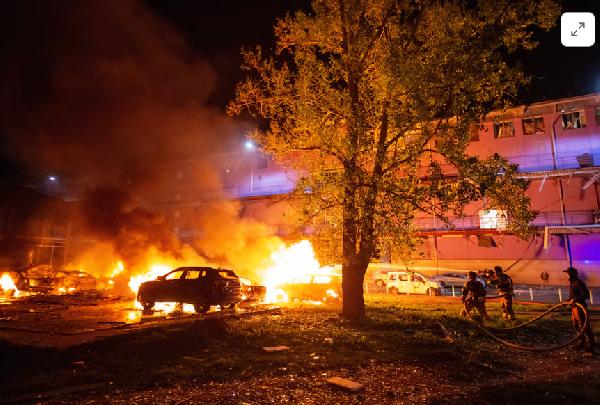
El Fasher humanitarian access
UN humanitarian access to El Fasher represents a narrow but meaningful opening to assess and begin responding to acute needs. Available reports converge on that fact but differ in emphasis and in the level of additional detail provided. West Asian outlets Asharq Al-awsat and Al-Jazeera Net provide overlapping descriptions of the siege, note the presence of UN agencies in the team, and report diplomatic messaging from U.S. advisers while varying in phrasing and in emphasis on diplomacy versus survivor testimony.
“The team — including delegations from the World Food Programme, WHO and UNICEF — will assess urgent food needs, damage to health facilities and the situation of children; OCHA called the move ‘a sign of a limited breakthrough’ after prolonged negotiations to lift a suffocating blockade.”
Ukrainian National News introduces a concise casualty figure that the West Asian pieces do not quantify in the same way, and thenationalnews’ fragment is notable for its lack of substantive reporting in the provided text. Where sources are silent or fragmented, the geographic breakdown and full extent of casualties and independent verification of alleged abuses remain unclear.
