Full Analysis Summary
UN 2026 Humanitarian Appeal
The United Nations launched its streamlined 2026 humanitarian appeal seeking at least $23 billion to assist 87 million people in some of the world's most dangerous crises, while the wider ambition is $33 billion to reach 135 million people, even as the UN warned of growing global apathy or indifference to suffering.
The Straits Times reported the launch in Geneva on Dec. 8 and quoted UN humanitarian chief Tom Fletcher condemning 'rising brutality, impunity and sexual violence' and calling the appeal a 'highly prioritised' plan involving 'excruciating life-and-death choices'.
The South China Morning Post likewise described the $23 billion request to assist 87 million people and the $33 billion ambition, saying the UN decried global 'apathy'.
Al-Jazeera noted the appeal and the $23 billion figure while using the term 'indifference' and reporting Fletcher spoke at a New York press conference.
Coverage Differences
Location/wording emphasis
Sources differ on the reported venue and the precise wording used to characterise global response: The Straits Times places the launch in Geneva and uses the word “apathy,” while Al‑Jazeera reports Fletcher spoke at a New York press conference and uses “indifference.” The South China Morning Post reports the appeal and the $23 billion figure and also uses “apathy.” These are reporting differences (where an event was held and the exact term quoted) rather than contradictions about the appeal’s scale.
UN warns on worsening crises
UN humanitarian chief Tom Fletcher used unusually direct language to describe 2025's record of abuses and warned that political choices and funding cuts are making life-and-death trade-offs unavoidable.
The Straits Times quoted Fletcher condemning "rising brutality, impunity and sexual violence" and calling the plan "highly prioritised."
The South China Morning Post reported Fletcher decried global "apathy" and noted a UN official's comment that this is a time when "politicians boast of cutting aid."
Al-Jazeera recorded Fletcher saying, "This is a time of brutality, impunity and indifference," and quoted him warning that funding has fallen sharply.
Together, the accounts convey a shared alarm from UN leadership about worsening violence and diminishing donor support.
Coverage Differences
Tone and attribution of blame
All three sources convey Fletcher’s strong language, but they differ in emphasis. The South China Morning Post highlights political causes and quotes an official saying “politicians boast of cutting aid,” which ties blame to political actors (it also references US policy cuts). The Straits Times highlights specific abuses Fletcher cited (“rising brutality, impunity and sexual violence”) and presents the appeal as a “highly prioritised” plan. Al‑Jazeera focuses on Fletcher’s framing of the moment as one of “brutality, impunity and indifference,” and reports his acknowledgement that funding has fallen sharply. These differences reflect each outlet’s choice of which Fletcher remarks and wider context to emphasise.
UN emergency funding appeals
The appeal's scale and prioritisation reflect both rising needs and constrained resources: the UN is seeking at least $23 billion to assist 87 million people, while its wider ambition is $33 billion to reach 135 million, even as agencies say 240 million people globally need emergency aid.
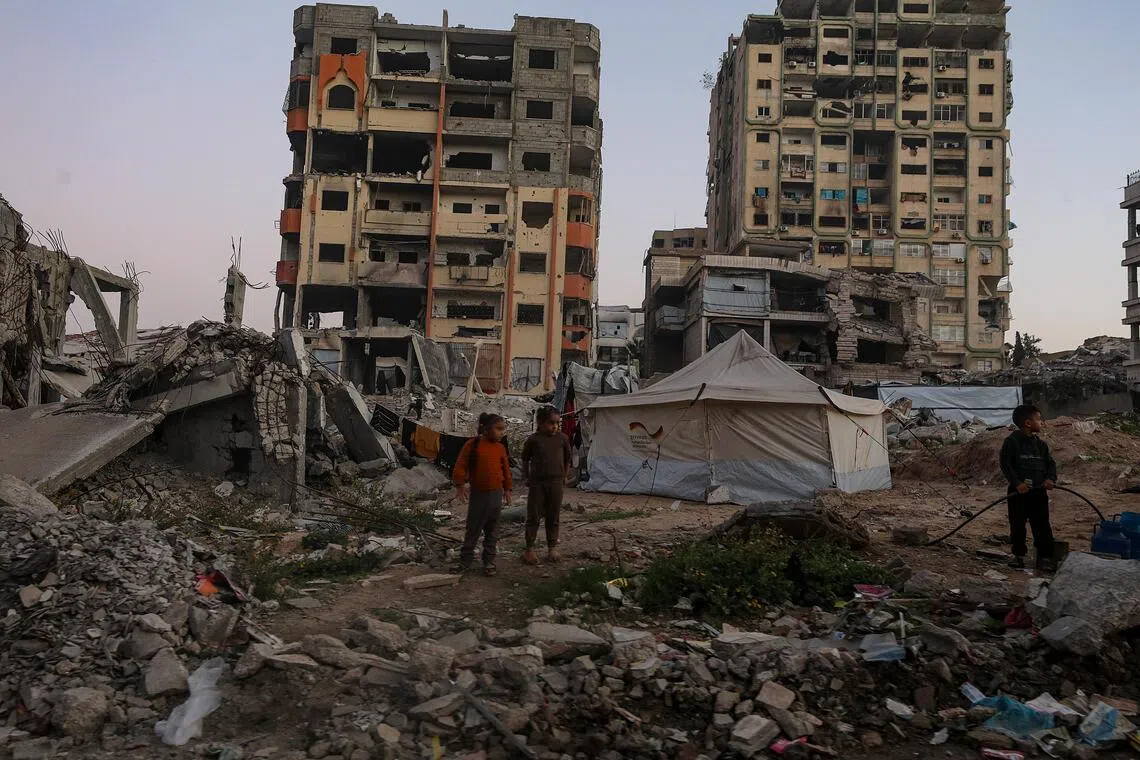
The Straits Times provided the most granular breakdown, naming Gaza and the West Bank ($4.1 billion for 3 million people) and Sudan ($2.9 billion for 20 million) as top 2026 priorities, alongside Ukraine, Haiti and Myanmar.
The South China Morning Post listed the same roster of crises, Gaza, Ukraine, Sudan, Haiti and Myanmar, and warned the $33 billion ambition "may be hard to meet" amid major funding cuts.
Al-Jazeera emphasised that even the $23 billion plan "will leave tens of millions of urgently needy people without assistance" because reduced donor support has forced prioritisation.
Coverage Differences
Detail vs. emphasis
The Straits Times supplies detailed priority figures (for example, Gaza and the West Bank $4.1 billion; Sudan $2.9 billion) and a wider statistic that 240 million people need emergency aid, while Al‑Jazeera emphasises the unavoidable shortfall that “tens of millions” will still be left without assistance. The South China Morning Post stresses the difficulty of meeting the $33 billion ambition amid funding cuts. These are complementary differences: one source provides numeric priorities, another underscores shortfall consequences, and a third frames feasibility concerns.
UN 2025 funding crisis
The appeal comes after severe shortfalls in 2025 and steep reductions in some donor contributions, which UN officials said forced painful prioritisation this year.
The Straits Times detailed that a $45+ billion appeal in 2025 was funded to only about $12 billion, enabling aid for 98 million people — 25 million fewer than the year before — and said US humanitarian contributions fell from $11 billion in 2024 to $2.7 billion in 2025.
The South China Morning Post similarly linked the funding squeeze to reductions in US foreign aid under President Donald Trump and quoted a UN official noting that politicians are cutting aid.
Al-Jazeera likewise reported that funding "has fallen sharply this year" and that reduced donor support is forcing the UN to prioritise the most vulnerable.
Coverage Differences
Specificity vs. political framing
The Straits Times provides precise funding shortfall figures (a $45+ billion appeal funded to about $12 billion; US contributions dropping from $11 billion to $2.7 billion). The South China Morning Post frames the shortfalls in the context of policy decisions, citing reductions under President Donald Trump and the UN official’s remark that “politicians boast of cutting aid.” Al‑Jazeera underscores the operational consequence that reduced donor support forces prioritisation. These differences reflect a numeric, a political, and a humanitarian operational focus across the three sources.