Sudan13 February, 20263 min read
UN Says RSF Massacred More Than 6,000 in Three Days During Capture of El-Fasher, Committed War Crimes
This article is an automated aggregation of coverage from news outlets. Our editorials offer in-depth analysis curated by the NewsCord team.
Rapid Support Forces committed war crimes and possible crimes against humanity in el-Fasher More than 6,000 people were killed in three days during the RSF capture of el-Fasher

5 outlets told this the same way.
UN report on El-Fasher
A United Nations human rights report released in February 2026 says the Rapid Support Forces (RSF) and allied militias carried out mass atrocities when they seized El-Fasher in late October 2025, actions the U.N. office describes as war crimes and possible crimes against humanity. The OHCHR documented "extreme violence" during a final October offensive and concluded the violations in El-Fasher may constitute crimes against humanity if they were part of a widespread or systematic attack on civilians.
“The UN Human Rights Office has accused Sudan’s paramilitary Rapid Support Forces (RSF) and allied militias of war crimes and possible crimes against humanity during their capture of El-Fasher, documenting extreme violence in a final October offensive.”
The U.N. rights office cited in press accounts said the assaults produced what it called "widespread atrocities." This portrayal is rooted in the OHCHR findings and was reported across outlets summarising the report's key conclusions.

Alleged abuses in report
The OHCHR report documents graphic, eyewitness allegations of mass killings and summary executions. It describes an attack on the Al-Rashid dormitory where about 1,000 civilians were sheltering and roughly 500 were reportedly killed. A witness account in the report describes RSF fighters rounding up about 300 young men in Daraja Oula and "systematically shooting, grenading and using a gas burner on them."
The U.N. office also recorded patterns of torture, abductions for ransom, pillage, disappearances, detention and the use of children in hostilities. The report presents this catalogue of abuses as tied to civilian targeting.

El-Fasher casualties report
The OHCHR team quantified an extremely high immediate death toll and warned the true figure could be higher. Gulf Times reproduces the report's estimate that "more than 6,000" people were killed in the first three days of the offensive — "at least 4,400 inside El-Fasher and over 1,600 of people killed while fleeing" — and said thousands remain missing. The office placed the episode in the context of a conflict since April 2023 that has already killed tens of thousands and displaced some 11 million people.
“The RSF took control after the Sudanese Armed Forces (SAF) withdrew following an 18-month siege that cut the city off from food, medicine and other supplies and forced tens of thousands to flee.”
Al Jazeera links the assault to an 18-month siege that left El-Fasher cut off from food, medicine and supplies and forced large civilian departures. ThePrint summarises the OHCHR findings without reprinting the granular casualty breakdown.
Calls for credible investigations
The report prompted calls for credible investigations and accountability. Al Jazeera records that RSF leader Mohamed “Hemedti” Dagalo pledged an investigation and that the RSF initially blamed allied armed groups. The U.N. rights chief Volker Türk urged “credible, impartial investigations and meaningful accountability” in Sudanese courts, third states, or at the International Criminal Court.
Gulf Times similarly quoted Türk warning that “persistent impunity is fueling the violence.” ThePrint relayed the OHCHR’s conclusions but focused less on the RSF’s response or the range of accountability options cited by the U.N. chief.
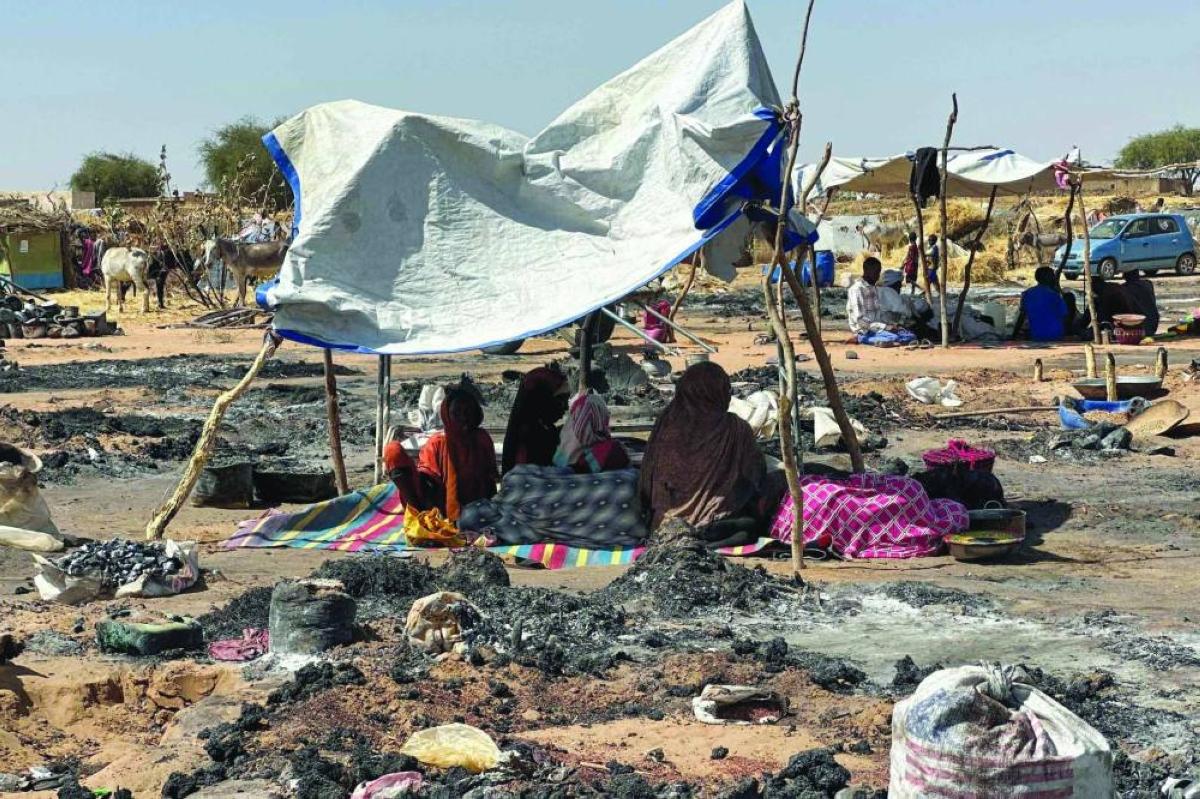
OHCHR findings on El-Fasher
Taken together, the sources show a consistent, though differently framed, finding: the OHCHR documents mass, systematic abuses during the El‑Fasher assault. The office says these abuses may amount to war crimes and possible crimes against humanity, and it urges investigation and accountability amid a wider humanitarian emergency. Differences among outlets reflect editorial choices.
“The U.N. human rights office (OHCHR) said on Feb. 13 that violations by Sudan’s Rapid Support Forces during their capture of El Fasher constitute ‘widespread atrocities’ amounting to war crimes and possible crimes against humanity, according to a report cited by Reuters.”
ThePrint’s brief Reuters-style summary foregrounds the OHCHR legal conclusion. Gulf Times stresses casualty figures and the larger crisis. Al Jazeera foregrounds survivor testimony, the siege context, the RSF’s response, and the U.N. chief’s detailed accountability options.
The report’s figures, survivor accounts and the U.N.’s recommendations are present across the coverage. Where each outlet focuses varies, and certain details — such as RSF public statements and the dormitory assault’s casualty estimate — are more prominent in Al Jazeera and Gulf Times than in ThePrint. Readers should note these emphases and the OHCHR’s conditional formulation when assessing the findings.