Full Analysis Summary
Western Sahara diplomatic shift
The UN Security Council adopted a resolution endorsing Morocco's 2007 autonomy plan for Western Sahara, marking a clear diplomatic shift.
The resolution frames future talks around Moroccan sovereignty while excluding partition or a referendum and urges parties to engage without preconditions.
The Atlantic Council called it a landmark resolution that departs from decades of balancing Moroccan and Algerian positions.
The Polisario Front has categorically rejected the move as undermining decolonization and the UN process.
El País provides historical context noting a 1975 UN mission found a Sahrawi majority in favor of independence and that the International Court of Justice denied Moroccan and Mauritanian sovereignty.
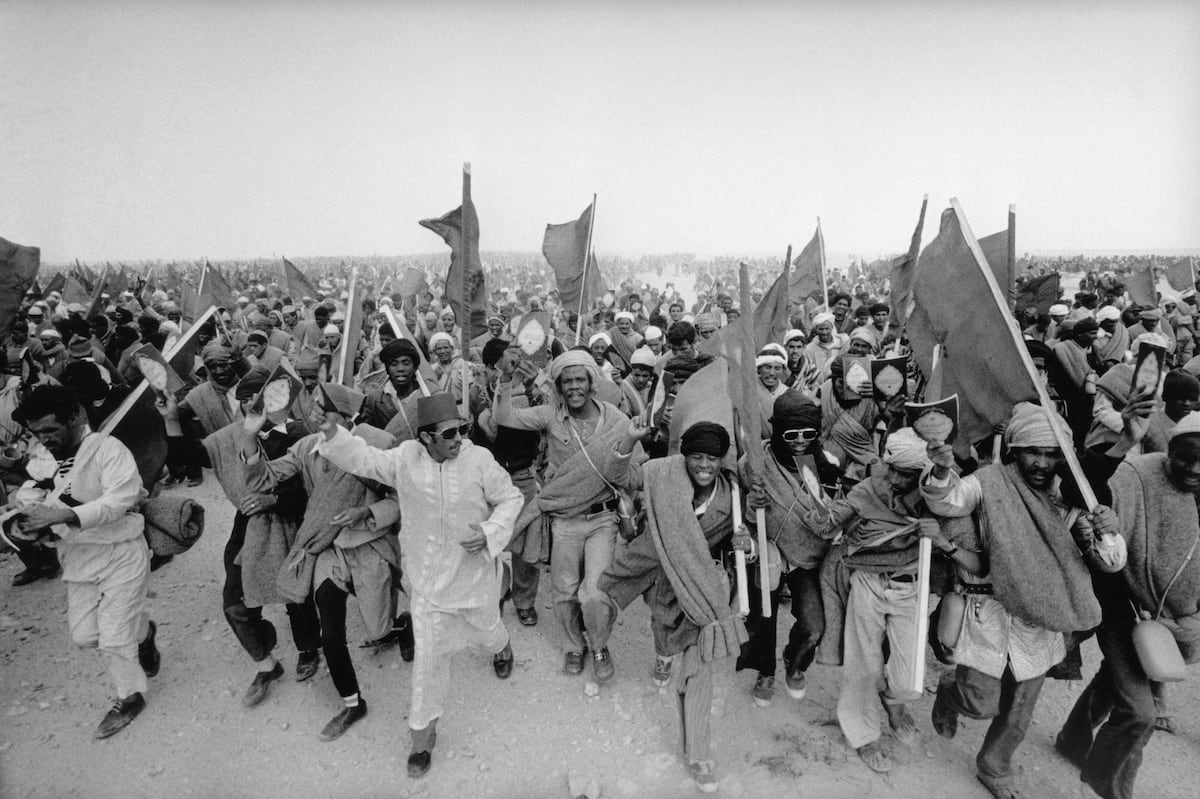
Those events preceded Morocco's Green March and Spain's contested withdrawal.
Coverage Differences
Narrative shift
Atlantic Council (Western Tabloid) frames the resolution as a diplomatic landmark endorsing Morocco’s autonomy plan and presenting practical reasons why partition or a referendum are impractical; it reports international momentum behind Rabat and highlights Morocco’s investments and diplomatic backers. El País (Western Mainstream) focuses on historical claims, citing a 1975 UN mission that found Sahrawi support for independence and the ICJ’s denial of Moroccan sovereignty, emphasizing Spain’s contested withdrawal and the origins of the conflict rather than the recent diplomatic alignment. Atlantic Council quotes the Polisario’s rejection as a reported response, while El País emphasizes historical evidence of Sahrawi preference for independence.
Tone
Atlantic Council’s tone is pragmatic and state‑level, emphasizing diplomatic momentum and investment as means to make the autonomy plan operational; it reports external support (e.g., US 2020 recognition) and Gulf economic ties. El País’s tone is more descriptive of past injustice and human suffering, reporting military invasion, civilian flight, and the formation of refugee camps, foregrounding Sahrawi experiences that the Atlantic Council piece largely omits.
Diplomatic vs. historical framing
The Atlantic Council traces the diplomatic momentum behind Rabat's success to several concrete moves: the 2020 US recognition of Moroccan sovereignty, subsequent backing from several European states, and active lobbying and investment by Gulf partners such as the UAE, including opening a consulate in Laayoun and major projects in the region.
The piece stresses that outside pressure, including US leverage over UN funding and off-UN mediation efforts, shaped the Security Council outcome.
El País does not foreground that recent diplomatic realignment; instead it situates the dispute in a post-colonial trajectory, highlighting how the Bu Craa phosphate discovery, Spain's 1975 referendum promise, the Green March, and Spain's secret ceding of control set the stage for decades of Sahrawi displacement and armed resistance.
Coverage Differences
Emphasis and omissions
Atlantic Council emphasizes recent geopolitics, investments, and state support for Morocco (US recognition, French and European backing, UAE consulate and investments) and frames the issue as a test of operationalizing autonomy. El País emphasizes colonial history, economic drivers like Bu Craa phosphates, Spain’s betrayal of decolonization commitments, and the emergence of refugee camps—topics that Atlantic Council mentions less or frames differently. Atlantic Council reports on international support and pressure; El País reports on historical grievance and the material causes of conflict.
Western Sahara conflict coverage
On-the-ground consequences and human costs are treated differently across sources.
El País details violent episodes, reporting that Moroccan forces invaded after Spain’s withdrawal.
It reports that many Sahrawis fled under bombardment, with accounts naming napalm and white phosphorus.
El País says refugee camps were established in Algeria where women organized daily life under harsh conditions.
The Atlantic Council piece acknowledges the Polisario Front’s categorical rejection of proposed solutions.
It highlights the central remaining challenge of whether Morocco can operationalize the autonomy plan through major infrastructure investments such as the Atlantic Initiative and the $1.2 billion Dakhla port.
Coverage Differences
Focus on human cost vs. statecraft
El País foregrounds civilian suffering, forced displacement, reported use of incendiary weapons, and refugee camp formation—presenting the Sahrawi experience as central. Atlantic Council focuses on statecraft, infrastructure, investments, and diplomatic backing as the key variables for implementing autonomy and leaves detailed accounts of wartime violence and displacement largely to historical summaries. The Atlantic Council reports Polisario’s rejection as a quoted position; El País reports eyewitness and historical evidence of violence.
Western Sahara coverage contrast
The two sources present a contested picture: Atlantic Council emphasizes a geopolitical and pragmatic narrative—diplomatic recognition, investment, and the practical difficulties of partition—while El País highlights decolonization claims, historical legal findings, and civilian suffering that complicate acceptance of Moroccan sovereignty.
These accounts are in tension: one frames the Security Council move as a milestone enabled by international realignment, while the other traces the controversy to Spain's withdrawal, the ICJ's findings, and Sahrawi displacement.
Only two source snippets were provided, which limits the range of perspectives and means some requested source types (for example, West Asian or Western alternative outlets) are not represented here.
The excerpts leave unresolved questions—particularly whether Morocco's autonomy plan can be implemented to address Sahrawi rights and whether the resolution aligns with decolonization legal standards—because the sources differ in emphasis and omit details about implementation, verification, and Sahrawi consent.
Coverage Differences
Contradiction and missing perspectives
Atlantic Council reports a decisive diplomatic shift and stresses practicality and backing for Morocco’s autonomy plan. El País recounts the historical claims and human costs that suggest the legitimacy of Moroccan sovereignty is contested; the two narratives contradict in emphasis and in what they treat as decisive evidence. Additionally, because only Atlantic Council and El País were provided, other source types and perspectives requested by the user are missing, leaving ambiguity about broader international legal or rights‑based assessments.