UN Security Council Imposes Sanctions on القوني حمدان دقلو شقيق RSF Commander
Key Takeaways
- UN Security Council imposed sanctions on Al-Qoni Hamdan Daglo Musa, brother of RSF commander.
- Three Colombian mercenaries were targeted for recruiting fighters for RSF.
- UN fact-finding cites acts of genocide in El-Fasher, Darfur.
UN Sanctions Expand
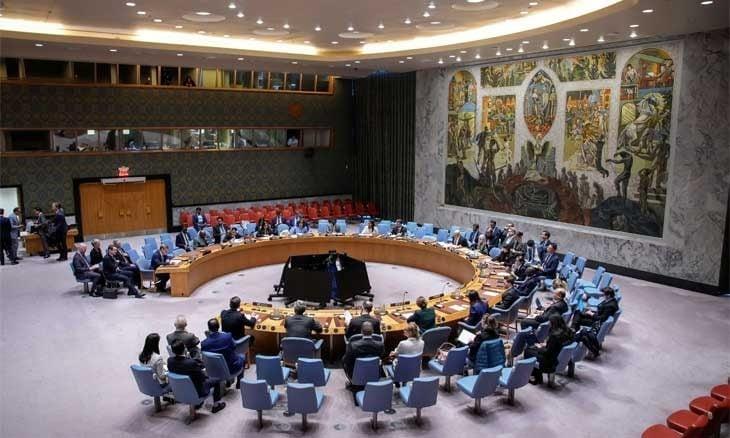
The United Nations Security Council moved to impose sanctions tied to the conflict in Sudan, targeting senior figures linked to the Rapid Support Forces (RSF) and others accused of enabling violence.
In an episode of “Beyond the News” dated April 29, 2026, the program discussed the Security Council decision under a US-British-French proposal to impose sanctions on القوني حمدان دقلو شقيق قائد قوات الدعم السريع.

The sanctions were described as being imposed on charges of purchasing weapons for the forces, with the statement accusing القوني حمدان دقلو موسى of participating in purchasing weapons and military equipment for the Rapid Support Forces.
The same discussion said the sanctions also targeted three Colombians accused of recruiting mercenaries involved in war crimes against the Sudanese army.
The program’s guests debated the implications of the move led by Washington, London, and Paris, with opinions varying between those who see it as a step toward accountability for war crimes and those who consider it “cosmetic” because it lacks tools to curb fighting on the ground or halt the flow of weapons.
The sanctions decision was also reported as being announced by the UN Security Council, with a British mission statement describing the UN action as imposed at the suggestion of the United States, Britain, and France.
El-Fasher Atrocities
A separate but related UN sanctions action focused on atrocities attributed to RSF commanders during the takeover of El-Fasher in Darfur.
Al24 News reported that the United Nations Security Council announced sanctions against four commanders of the Sudanese Rapid Support Forces for atrocities committed during the takeover, in October, of the city of El-Fasher in Darfur.

The report said the targeted officers were senior RSF officers to whom the UN's independent fact-finding mission on Sudan attributed 'acts of genocide' during the siege and the capture of El-Fasher.
The four individuals named by Al24 News were Elfateh Abdullah Idris Adam, Gedo Hamdane Ahmed Mohamed, Tijani Ibrahim Moussa Mohamed, and Abdelrahim Hamdane Daglo, described as the brother of the RSF's leader.
Both accounts described the siege duration and the nature of the final assault, with Al24 News saying the RSF besieged El-Fasher for 18 months and that the offensive produced 'three days of absolute horror,' marked by summary executions, systematic sexual violence, and mass arrests.
Sahel Intelligence added that the mass arrests targeted mainly the Zaghawa community, a non-Arab ethnic group, and it said the Security Council noted footage showing the brother of the RSF chief giving 'direct orders to his fighters not to take prisoners but to kill everyone.'
Evidence and Targeted Roles
The sanctions coverage described not only who was targeted, but also what roles were attributed to them through evidence and alleged operational functions.
“The United Nations Security Council announced sanctions against four commanders of the Sudanese Rapid Support Forces (RSF) for atrocities committed during the takeover, in October, of the city of El-Fasher in Darfur”
In the account from القدس العربي, the UN sanctions were imposed on Al-Qoni Hamdan Daglo Musa, described as the younger brother of the RSF commander, and on three Colombian mercenaries accused of recruiting former Colombian fighters to fight in Sudan.
The British mission to the United Nations statement, as quoted in the report, said the UN Security Council imposed the sanctions at the suggestion of the United States, Britain, and France, and it described Al-Qoni Hamdan Daglo Musa as having led RSF efforts to purchase weapons and military equipment.
The same report said video and photographic evidence showed that the three Colombians “supply the RSF with strategic and technical expertise and operate as infantrymen, artillerymen, drone operators, and drivers, as well as trainers; some of them even train children to fight in RSF ranks.”
Reuters was cited in the القدس العربي report for the sanctions action, and it added that the ongoing three-year war between the Sudanese army and the RSF has led humanitarian organizations to describe it as the world’s worst humanitarian crisis today.
The Reuters-linked account also said the Colombian mercenaries participated in several battles in different parts of Sudan, including Khartoum, Omdurman, Kordofan, and El Fasher.
Debate Over Effectiveness
The sources also captured a debate over whether sanctions can meaningfully change conditions on the ground in Sudan.
In the “Beyond the News” episode dated April 29, 2026, the discussion said guests weighed the implications of the Security Council move led by Washington, London, and Paris.
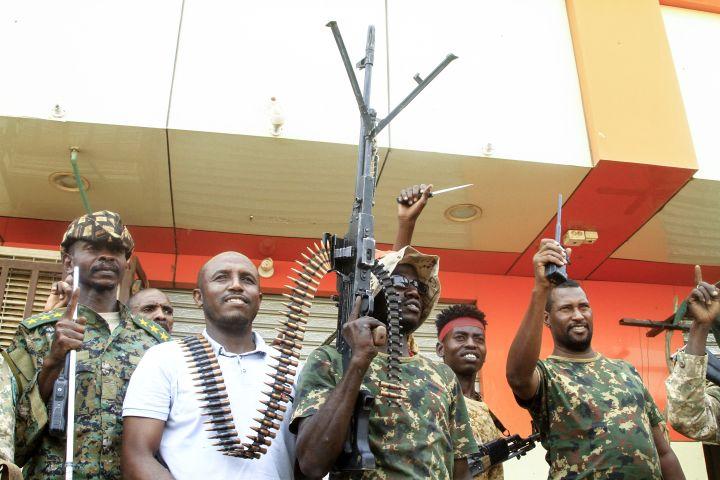
The program described differing views, including those who see the sanctions as a step toward establishing a principle of accountability for war crimes.
It contrasted that view with those who consider the measure merely a “cosmetic” measure lacking the tools to actually curb the fighting on the ground or halt the flow of weapons.
Al24 News and Sahel Intelligence, meanwhile, described the UN’s rationale for sanctions in terms of attribution by an independent fact-finding mission and the Security Council’s own notes about atrocities and direct orders.
Together, the accounts show sanctions being justified through allegations and evidence, while the “Beyond the News” segment questioned whether the measures have the operational leverage to stop the conflict.
Next Steps and Broader Reach
The sanctions described in the sources also connect to a broader sequence of actions by the United States, Britain, and France, and they extend across multiple locations inside Sudan.
The القدس العربي report said that in February, Britain, along with France and the United States, secured sanctions on four RSF leaders for atrocities committed during the siege of El Fasher.
It also said earlier in April, the United States imposed sanctions on five companies and individuals it said were involved in recruiting former Colombian soldiers to fight for the RSF, and it stated that it said hundreds of former Colombian soldiers had headed to Sudan to support the RSF.
Reuters was cited again in the same report for the UN sanctions on Al-Qoni Hamdan Daglo Musa and the three Colombians, and it described the ongoing three-year war between the Sudanese army and the RSF as producing the world’s worst humanitarian crisis today.
The report further said the Colombian mercenaries participated in several battles in different parts of Sudan, including Khartoum, Omdurman, Kordofan, and El Fasher.
Al24 News and Sahel Intelligence both emphasized that the RSF besieged El-Fasher for 18 months and that the city was the last major Darfur town still outside paramilitary control before falling last October.
More on Sudan

UNICEF Warns Darfur Children Face New Humanitarian Catastrophe, Homes Schools Hospitals Under Fire
20 sources compared
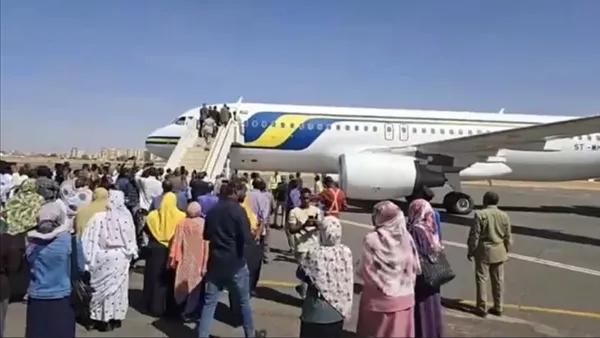
Egypt Launches 21 Free Return Journeys for Sudanese Refugees From Cairo to Sudan
11 sources compared
UNICEF Issues Child Alert as Sudan’s Darfur Children Face Rapidly Worsening Humanitarian Catastrophe
18 sources compared

Sudan Bans Imports of More Than 40 Goods to Curb Sudanese Pound Depreciation
10 sources compared