Full Analysis Summary
Food aid cuts for refugees
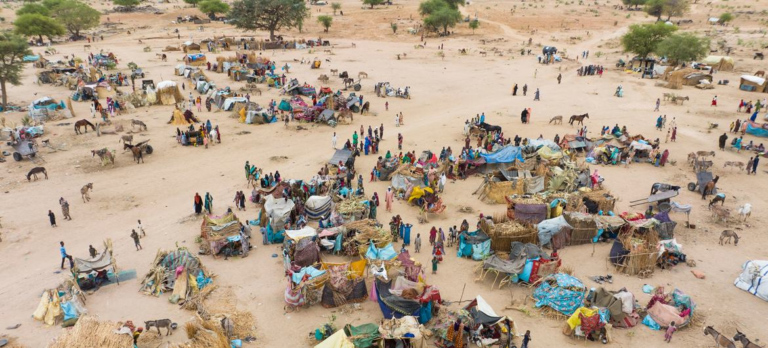
UNHCR has cut bulk food rations for Sudanese refugees in Uganda and South Sudan and replaced them with a much smaller monthly cash grant or limited family food packages.
These reductions have deepened hunger across camps since early 2026.
Both Radio Dabanga and Dabanga Radio TV Online report that the new payment is SSP 68,000 per person (about SDG 34,000 or roughly USD 10).
They also report that larger families may receive a two-million-unit corn-and-rice ration instead of the former monthly corn-and-rice rations.
The change is framed as a shift away from previous corn-and-rice distributions toward cash or reduced food packages, and it is presented as already worsening food insecurity in the refugee camps.
Coverage Differences
Missed information / source limitation
Both sources report the cut and the new SSP 68,000 figure and describe the switch from rations to cash or smaller packages, but neither source includes an official UNHCR statement explaining the rationale for the changes or any response from host governments, creating an information gap. The snippets quote a refugee (Mahjoub Hassoun) and describe the amounts but do not present UNHCR commentary. This omission influences the narrative by leaving only refugee testimony and local reporting to explain impact and motive.
Tone
The two source names provided (Radio Dabanga and Dabanga Radio TV Online) use similarly urgent language describing ‘worsening hunger’ and a ‘shortfall’ deepening crises; there is no contrasting conciliatory or neutral framing offered among these sources.
SSP cash transfer impact
Refugees quoted say the SSP 68,000 cash transfer is far too small to cover one person's monthly food needs.
Camp journalists and residents warn the shortfall is aggravating social tensions.
Mahjoub Hassoun, identified in both pieces as a refugee and journalist in Wedweil camp, is quoted saying the new payment is far too little to feed an individual, let alone a family.
He says the shortfall is deepening hunger and aggravating social crises in the camps.
Coverage Differences
Quotation versus reporting
Both sources quote Mahjoub Hassoun reporting the same claims, but because the items are locally reported they reflect refugees’ testimony rather than UNHCR verification; the articles thus present personal testimony as the primary evidence of impact rather than institutional data or UNHCR response.
Detail emphasis
Dabanga Radio TV Online adds the detail that large families may receive a ‘two‑million‑unit corn‑and‑rice ration,’ a numerical specification not spelled out verbatim in the Radio Dabanga snippet provided here; that difference changes the reader’s sense of family-level entitlements.
Humanitarian risks and gaps
The reporting highlights immediate humanitarian risk in refugee settlements across Uganda and South Sudan.
It does not provide UNHCR operational data, host-country statements, or independent NGO assessments that would confirm the scale of a 'humanitarian collapse'.
Both items therefore document urgent local testimony of worsening hunger and social strain while leaving an evidentiary gap about caseload numbers, supply-chain constraints, and UNHCR budgetary rationale.
Coverage Differences
Missed information
Both sources omit UNHCR’s official rationale and independent verification; that omission means the coverage centers on refugee testimony and local reporting rather than broader institutional or international NGO perspectives.
Narrative / severity
The local reporting frames the situation as potentially catastrophic for households (‘worsening hunger’, ‘social crises’), but without wider corroboration the claim of an imminent humanitarian collapse is presented as a local assessment rather than an independently verified international finding.
Need for independent follow‑up
Given the reporting available, urgent follow‑up is needed: independent assessments (UNHCR briefings or NGO surveys), host‑country and donor explanations, and on‑the‑ground data about how cash versus in‑kind assistance is affecting household food consumption.
The two Dabanga items call attention to an acute local crisis — reporting refugee testimony and specific figures — but the lack of additional source types (e.g., UN statements, NGOs, or international media) in the materials provided here means the claim that UNHCR’s cut is pushing camps toward full humanitarian collapse remains serious but not independently corroborated in these snippets.
Coverage Differences
Unique/off‑topic absence
Because the provided items are both local Dabanga reports, they offer detailed local testimony but lack wider-source perspectives (UNHCR responses, NGO situation reports, donor statements) that would broaden or temper the narrative. This absence is itself a difference in coverage compared with what broader international reporting would typically include.
Tone
Both sources are alarmist/urgent in tone; without contrasting official or analytical voices, the pieces present a one-sided urgent case from refugees and local reporting.