Gaza Genocide13 January, 20262 min read
UNICEF: Israel Killed More Than 100 Children in Gaza Since Ceasefire
Israel killed over 100 Palestinian children in Gaza since the early-October ceasefire. Israeli airstrikes, drone attacks, tank shelling and live ammunition caused child deaths.
28 outlets told this the same way.
Outlets did split on Israel Marks Oct. 7 Anniversary With Strikes on Gaza, Netanyahu Faces Election After Nova Tribute →
Anadolu Ajansı was read line by line by the Watchdog: 6.2. See the score →
Child deaths during Gaza ceasefire
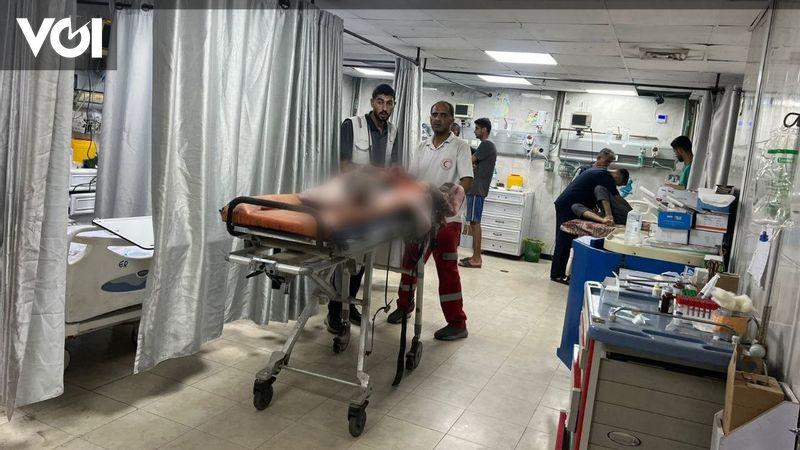
UNICEF reported that Israeli air and ground operations have killed at least 100 Palestinian children in Gaza since the fragile ceasefire began on Oct. 10.
“The United Nations says Israeli air and ground attacks have killed at least 100 Palestinian children in the besieged Gaza Strip since a fragile ceasefire began in early October.”
The agency recorded roughly 60 boys and 40 girls and warned the true toll is likely higher.

Spokesperson James Elder said the deaths have continued during the lull in large-scale hostilities.
He added that children are still being killed, saying 'roughly a girl or a boy killed here every day' despite the ceasefire.
Gaza's Health Ministry reports a higher figure, putting the child death toll at 165 during the same period.
These divergent tallies underscore a shared conclusion that Israeli military actions continue to kill children in Gaza.
Child deaths and causes
UNICEF and multiple reporters attribute recent child deaths directly to Israeli military actions. They cite airstrikes, drone strikes (including suicide drones), tank shelling, live ammunition, quadcopters and unexploded ordnance as causes.
UNICEF spokesperson James Elder listed those weapons and warned that although large-scale bombardment has eased, these methods continue to kill children. International and regional outlets also report that extreme winter conditions and inadequate shelter have caused hypothermia deaths among children in addition to deaths from direct strikes.

Gaza aid restrictions impact
Aid agencies warn that Israel's restrictions and the suspension of dozens of international NGOs have choked the humanitarian response and reduced scrutiny of children's suffering.
“Israel suspended more than three dozen international aid agencies from Gaza on January 1.”
On Jan. 1, Israel suspended more than three dozen (37) international aid agencies' access to Gaza, a move the UN described as outrageous and that multiple outlets say blocks life‑saving assistance and journalists.
UNICEF and other agencies say deliveries have risen but remain insufficient, and that limited medical evacuations and blocked NGO access continue to leave children vulnerable to both attack and deprivation.
Reporting on Gaza campaign
Several sources and officials use the language of genocide to describe the broader campaign that has produced mass civilian deaths and protracted suffering in Gaza. UNICEF staff and some outlets describe the preceding Israeli offensive as a 'genocidal war.'
Gaza authorities and regional outlets regularly call the campaign a genocide as they tally more than 70,000 civilian deaths since October 2023. Other outlets, including UN News and Vatican News, document deep psychological trauma and widespread destruction without adopting the legal label, reporting expanded but modest humanitarian services and stressing the need for accountability and evacuations.

Humanitarian access and accountability
UNICEF demanded full enforcement of the ceasefire, unfettered humanitarian access, expanded medical evacuations, and accountability for the killing of children, specifically calling for action to stop Israeli strikes that continue to kill minors. Multiple outlets repeated these calls and noted that while some primary healthcare and relief services have been restored under the ceasefire, the gains are modest and do not justify continued civilian deaths. Reporting across sources converges on an urgent need for access, medical evacuations, and independent investigations into child deaths.
“Elder ... urged enforcement of the ceasefire, unfettered humanitarian access, expanded medical evacuations and accountability for child deaths.”