
United Arab Emirates Quits OPEC as Iran War Strains Oil Markets
Key Takeaways
- UAE exits OPEC and OPEC+ effective May 1, 2026.
- The departure weakens OPEC's influence and could loosen global oil-market discipline.
- It signals Gulf realignment and policy shifts amid Iran-war tensions.
UAE quits OPEC
The United Arab Emirates announced it would leave OPEC, dealing a major blow to the oil cartel that has for decades sought to control global prices and fuel supplies, as the Iran war strains oil markets.
The New York Times reported that the UAE “announced that it was leaving the OPEC oil cartel” and that it gave “less than a week’s notice, saying it would leave on Friday.”

The BBC framed the move as “a big deal” after the UAE “has announced its abrupt exit from Opec,” noting that the Emiratis were members “even before they became a nation state in 1971.”
CNBC said the UAE’s exit “will weaken the influence of the cartel and its leader Saudi Arabia on the oil market,” and described the UAE as “the most influential member of OPEC behind Saudi Arabia.”
DW connected the decision to quota limits, saying OPEC operates “a quota system that limits how much oil each member can produce,” and that the UAE had “clashed with Saudi Arabia, OPEC’s most powerful member, over these quotas.”
Multiple outlets tied the timing to the wider regional conflict, with CNBC pointing to “weeks of missile and drone barrages by fellow member Iran” and Al Jazeera describing the move as coming as the region grapples with an “energy crisis triggered by the US-Israel war on Iran, which began on February 28.”
Quotas, capacity, and timing
A central thread across the coverage is that the UAE wanted freedom from OPEC quota limits while it expanded its own production capacity.
DW said the UAE “has invested heavily to expand its oil industry and grow its market share, but OPEC limits have repeatedly held it back,” and it quoted Energy Minister Suhail Al Mazrouei telling the New York Times on Tuesday: “The world needs more energy. The world needs more resources, and [the] UAE wanted to be unconstrained by any groups.”

CNBC similarly described the UAE’s goal as seeking “more freedom of action to make production decisions without the constraints of OPEC” and said Al Mazrouei told CNBC that the UAE wants to reach “its goal of 5 million bpd of capacity by 2027.”
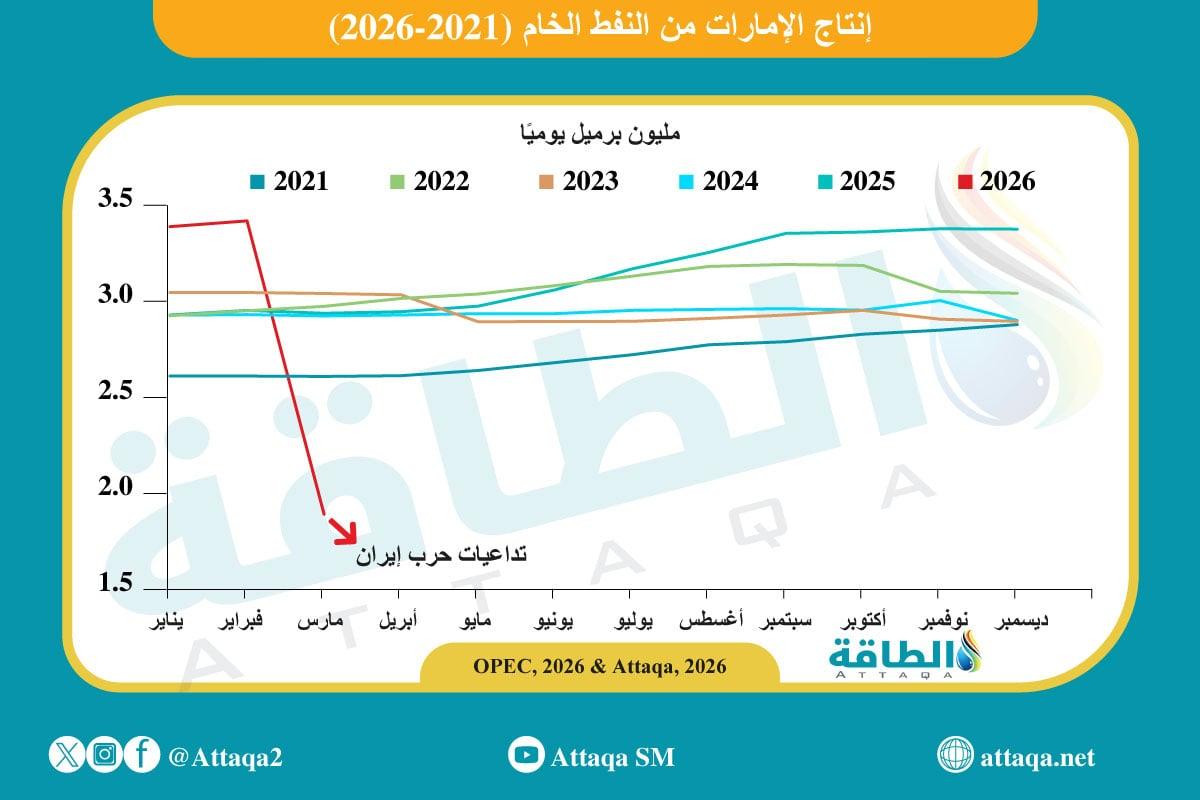
The BBC’s Faisal Islam explained the quota constraint in terms of numbers, writing that “Opec quotas limited its production to 3-3.5 million barrels per day,” while the UAE had “the second highest spare production capacity.”
Al Jazeera added that “Before the start of the war, the UAE’s production capacity had grown to 4.8 million bpd, but under its OPEC agreement, it was only allowed to produce 3.2 million bpd.”
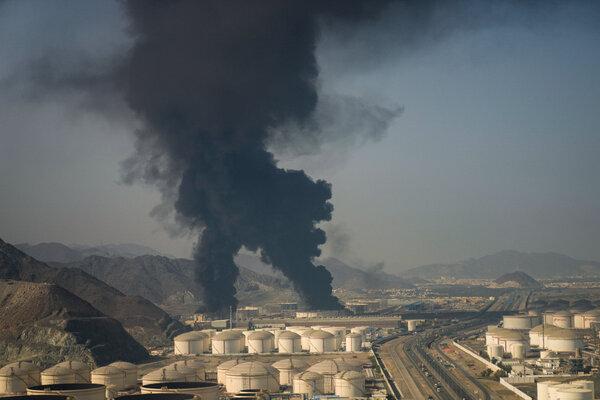
Several outlets also described the timing as shaped by the Iran war and the Strait of Hormuz disruption: CNBC said the UAE’s exit came “after weeks of missile and drone barrages by fellow member Iran” and that Tehran’s attacks “has constrained the UAE’s oil exports,” while Fox Business said the Strait of Hormuz typically carries “about one-fifth of the world’s oil and liquefied natural gas shipments” and that disruptions “tightened supply routes and added volatility.”
Voices on impact and risk
The reporting includes sharply different assessments of what the UAE’s exit means for oil markets and OPEC’s future cohesion, with named analysts and officials offering competing frames.
CNBC quoted Jorge León, head of geopolitical analysis at Rystad Energy, saying the UAE’s departure “removes one of the core pillars underpinning OPEC's ability to manage the market,” and it added that OPEC will become “structurally weaker.”
CNBC also quoted David Goldwyn, who said Riyadh will still have “a significant ability to discipline the market with its own spare capacity but it will have a weaker hand now that the UAE is no longer a member,” and Goldwyn warned of “significant risk of higher oil price volatility as a result of this decision.”
In contrast, Al Jazeera included a swift downplay from Saudi Arabia’s former senior oil adviser Mohammad al-Sabban, who told the outlet: “It’s not a major blow, especially for OPEC+ [which] consists of 23 countries, and one country going out doesn’t mean anything.”
The same Al Jazeera piece quoted energy strategist Kingsmill Bond, saying the UAE’s move is “a clever one,” and describing it as preparation “for the period after the war” when “they want to be free from the constraints of OPEC.”
DW quoted Jeff Colgan of Brown University saying, “In the short term, I don't expect it [the exit] to have major impacts because what's happening in the Strait of Hormuz dominates the whole global oil picture,” while CNBC reported that oil futures “did not really react to the announcement Tuesday.”
Diverging frames across outlets
Different outlets emphasized different implications, even when describing the same underlying event.
CNBC framed the exit as weakening OPEC’s influence and potentially bearish for prices over the long term, saying the UAE’s “departure therefore removes one of the core pillars underpinning OPEC's ability to manage the market,” and it added that the UAE’s decision could prove “bearish later.”

DW, while also describing the move as a blow to Saudi Arabia, stressed that the immediate market effect would be muted, quoting Jeff Colgan: “In the short term, I don't expect it [the exit] to have major impacts,” and it argued that the UAE’s exit “removes one of the few OPEC members with meaningful spare oil capacity.”
The BBC’s Faisal Islam placed the decision within a broader energy-policy narrative, writing that “Opec is less important to world oil markets than it was in the 1970s” and that the UAE’s action can be read as “a sign of this world of reduced oil reliance.”
Fox Business focused on operational flexibility and the mechanics of supply, saying the departure “frees the UAE from group production quotas” and that it is “aimed at positioning the country for long-term global energy demand growth,” while also noting the Strait of Hormuz chokepoint and that the UAE “did not directly consult with other producers, including Saudi Arabia, before making the decision.”
Al Jazeera foregrounded the geopolitical and logistical constraints, describing how the UAE’s exports are constrained by Iran’s control of the Strait of Hormuz and adding that “Last year, it exported 1.7 million bpd of crude oil and refined fuels this way.”
Next steps and downstream effects
Looking ahead, the sources describe a mix of near-term constraints and longer-term possibilities, with multiple outlets tying the future to whether the Strait of Hormuz reopens.
CNBC said the UAE’s exit “is unlikely to affect the market in the next year with the strait closed,” and it quoted Goldwyn saying oil futures “did not really react” while the strait remains a dominant factor.

DW similarly argued that the announcement had “little immediate effect on prices,” noting that “Brent crude largely unchanged on Tuesday,” and it added that once Hormuz normalizes, “the UAE could add several hundred thousand extra barrels per day to the market.”
Al Jazeera laid out a scenario in which, if traffic returns to pre-war levels, the UAE could “flood the market with its 1.6 million bpd of extra production,” describing it as “equivalent to about 1.5 percent of global oil supply.”
The same Al Jazeera report also described Saudi downplaying and the possibility of OPEC adaptation, quoting Mohammad al-Sabban and stating “OPEC has shown itself to be adaptable in the past,” while ynetnews warned that “If countries that are abiding by their quota get disgusted with those that don’t, we could see additional exits that could eventually make OPEC irrelevant as a cartel.”
Fox Business said the UAE’s departure “will be effective May 1,” and it reported that Reuters contributed to the story, while The Conversation specified the UAE announced on “April 28, 2026” it would depart on “May 1.”
More on Business
United Arab Emirates Quits OPEC, Ending Decades of Membership Effective Friday
23 sources compared

United Arab Emirates Quits OPEC and OPEC+ Effective May 1 Amid Strait of Hormuz Crisis
11 sources compared

Anant Ambani Offers to Relocate 80 Pablo Escobar ‘Cocaine Hippos’ to India
15 sources compared
United Arab Emirates Quits OPEC and OPEC+ Effective May 1, 2026
18 sources compared