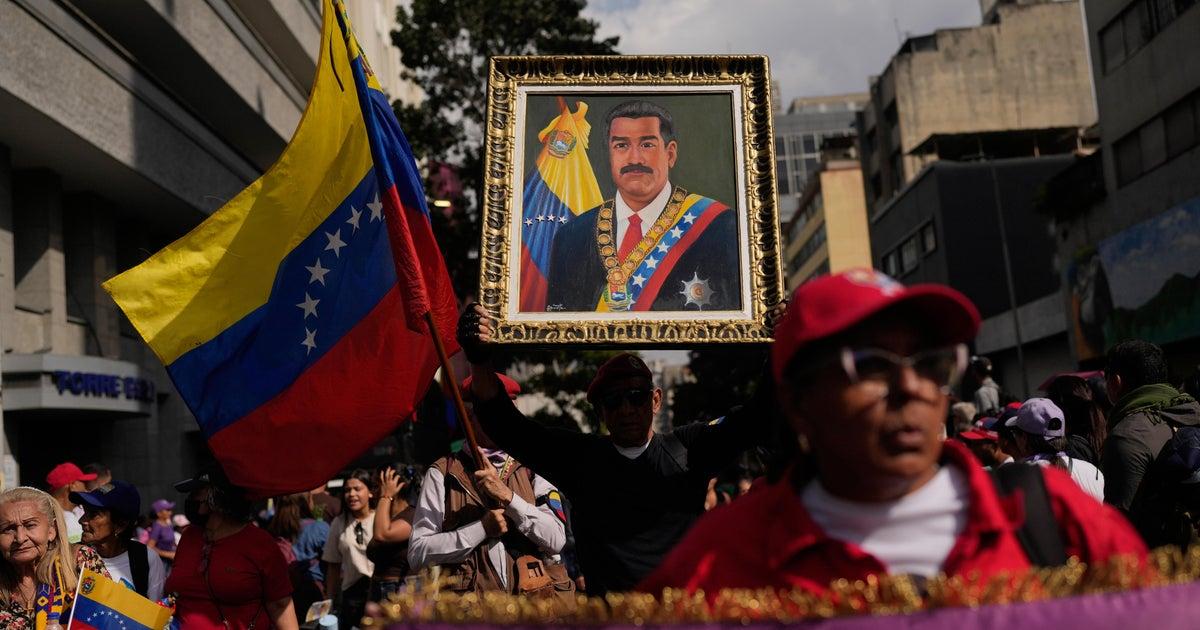
South America07 January, 20263 min read
United States Abducts Venezuelan President Nicolas Maduro in Gross Violation of International Law
U.S. special forces captured Venezuelan President Nicolás Maduro in a military operation in Caracas. President Trump announced seizing and selling 30–50 million barrels of Venezuelan oil for U.S. use.

19 outlets told this the same way.
Outlets did split on Alexandre de Moraes Orders Eduardo Bolsonaro Arrest, Cancels Passport, Enforces Four-Year Sentence →
U.S. raid in Caracas
On Jan. 6, U.S. special-operations forces carried out a raid in Caracas.
“A reported U.S. military operation in Venezuela led, according to the article, to the capture and ouster of President Nicolás Maduro and his wife and the deaths of at least 50 Venezuelan and Cuban security personnel.”
The operation reportedly resulted in the arrest of Venezuelan President Nicolás Maduro and his wife, Cilia Flores.

Multiple outlets reported that U.S. forces used flash-bangs during the entry.
Flores appeared in federal court with bandages for injuries her lawyers say she suffered during the arrest.
State and allied sources gave differing death counts for uniformed personnel.
ABC News reported the capture and ouster of President Nicolás Maduro and his wife and the deaths of at least 50 Venezuelan and Cuban security personnel.
NBC noted Venezuela’s military posted an Instagram tribute saying 24 uniformed personnel died while Cuba said 32 of its officers were killed.
France 24 said dozens of uniformed Cuban personnel have died.
CBS reported the operation drew sharp condemnation from China, Russia, Iran and Cuba as violations of sovereignty and international law.
Trump's Venezuela oil plan
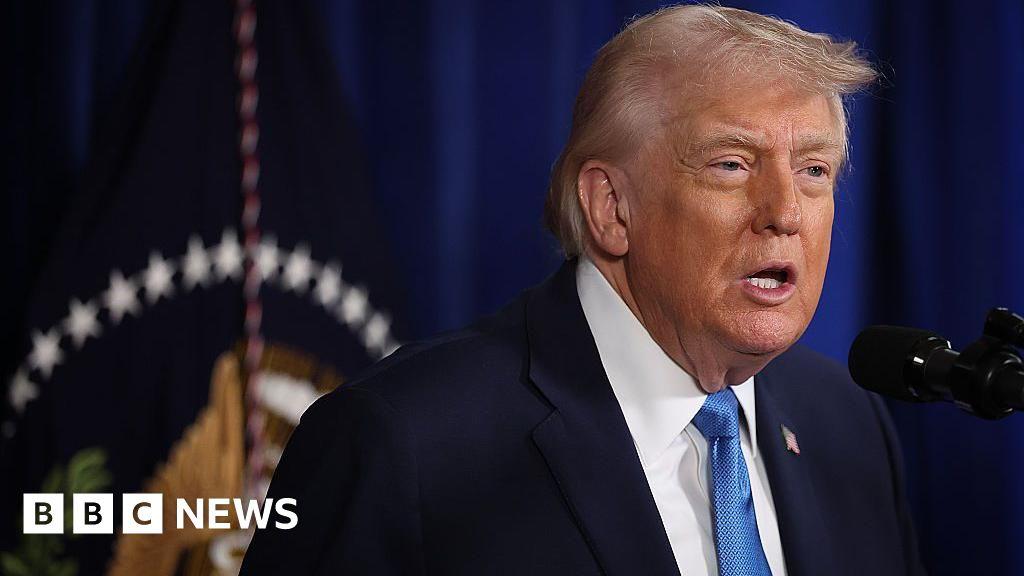
President Trump framed the operation as a decisive move against drug trafficking and as a chance to regain control of Venezuela’s oil wealth. He told allies the U.S. would effectively 'run' Caracas and that between '30–50 million barrels' of sanctioned oil would be sent to the United States for sale. ABC and WION quoted those claims, repeating that the U.S. would 'run' Venezuela and obtain '30–50 million barrels' of sanctioned oil for sale.
The Guardian and BBC reported he talked about allowing the sale of roughly $1.8–$3 billion of Venezuelan oil and reopening the oil sector to U.S. firms. CBS and France 24 noted practical and legal complications, including reports of a Russian naval presence around a tanker and analysts warning of escalating great-power competition.
International responses to raid
International legal and diplomatic responses were sharply divided, with governments aligned with Maduro condemning the action as an illegal intervention or kidnapping.
“Russia and Iran issued statements backing Caracas, condemning what they called external aggression and pledging continued support.”
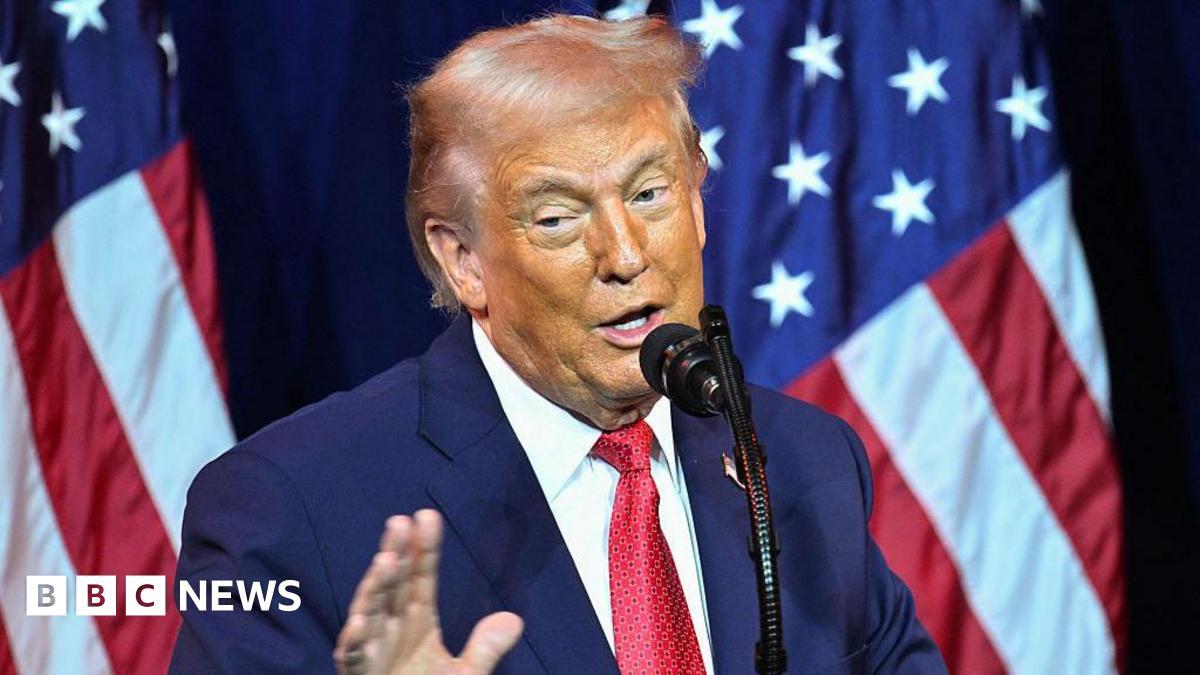
U.S. officials defended the raid as within presidential authority and as part of an effort to disrupt drug trafficking and curb foreign influence.
ABC and CBS reported that Russia, Iran and Cuba publicly backed Caracas and condemned external aggression.
Il Sole 24 ORE and France 24 recorded that the United Nations and the Office of the High Commissioner for Human Rights expressed deep concern that the intervention undermines international law and stressed that Venezuela's future must be decided by its people.
Il Sole 24 ORE also quoted U.S. Attorney General Pam Bondi defending the operation, named Operation Absolute Resolve.
U.S.-Venezuela legal dispute
Legal claims and prosecutorial posture diverge across reporting.
Il Sole 24 ORE notes a shift in U.S. Justice Department language, saying prosecutors quietly retreated from last year’s claim that Maduro led a formal cartel called "Cartel de los Soles" and instead described corruption as a broader patronage system.
The U.S. has brought charges, and Maduro and Flores pleaded not guilty in U.S. courts.
ABC and NBC report that Venezuela’s Supreme Court called the action a "kidnapping," and Venezuela’s attorney general urged a U.S. judge to respect international law and investigate alleged civilian casualties.
At the same time, Il Sole 24 ORE records U.S. officials, including Attorney General Pam Bondi, defending the operation and warning of further prosecutions.
This highlights a separation between domestic prosecutorial strategy and contested international legal legitimacy.
Venezuela leadership response
On the ground in Venezuela, interim leader Delcy Rodríguez has rejected U.S. claims of external governance, proclaimed national defiance, and declared days of mourning while facing internal skepticism and potential reprisals. Regional sources report Rodríguez insisting that the Venezuelan government is in charge in the country and saying her fate is decided only by God. Multiple outlets say she announced seven days of mourning and paid tribute to those killed, while other reports note protests by Maduro supporters and signs of public unease.
“Delcy Rodríguez on Jan. 6 rejected U.S. claims that Washington is running her country, saying ‘the government of Venezuela is in charge in our country, and no one else.’”
Several accounts raise immediate practical questions about who will control the country's oil and whether U.S. companies can quickly resume production. Major news organizations report discussions with large oil firms, but analysts warn of legal and logistical barriers to a rapid resumption of output.