South America04 January, 20263 min read
United States Abducts Venezuelan President Nicolás Maduro, Flies Him to U.S.
This article is an automated aggregation of coverage from news outlets. Our editorials offer in-depth analysis curated by the NewsCord team.
United States forces attacked Venezuela, striking military bases and key facilities. U.S. forces captured and flew President Nicolás Maduro to the United States.
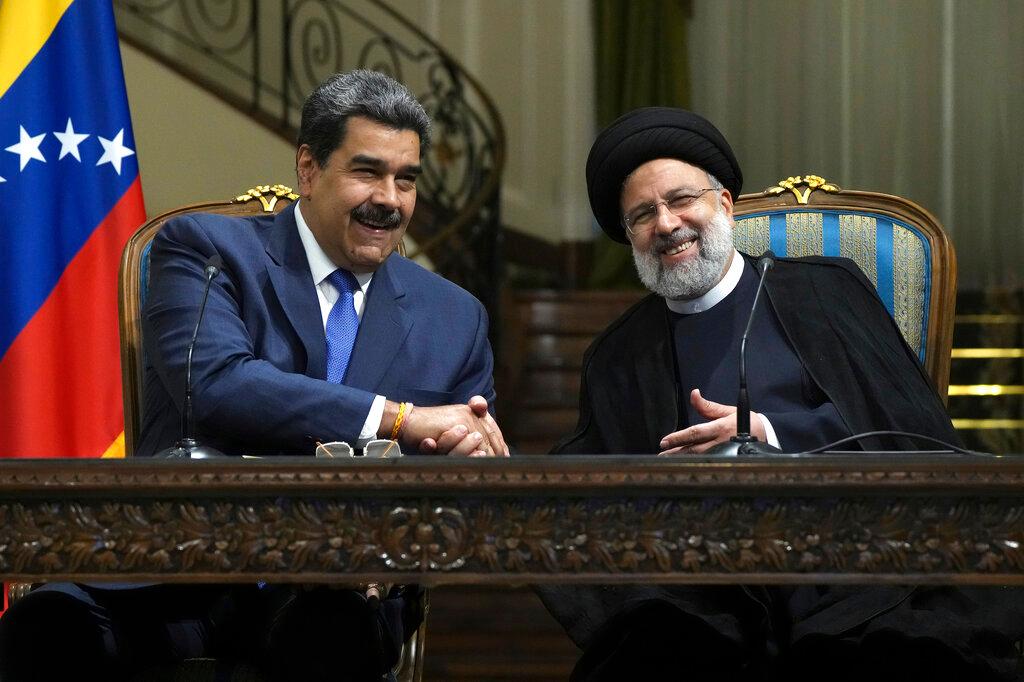
8 outlets told this the same way.
Outlets did split on Brazil Police Kill Suspect After 13 Kindergarteners Held Hostage In Curitiba →
US operation captures Maduro
In a large-scale, months-long special-forces operation codenamed "Absolute Resolve," US forces seized Venezuelan President Nicolás Maduro in an overnight raid in Caracas and flew him to US custody, first to the USS Iwo Jima and later to Stewart Air National Guard Base in New York, according to multiple reports. Al Jazeera describes the mission as "a dramatic, months-in-the-making operation to seize Venezuelan President Nicolás Maduro" and says it involved "about 150 aircraft from 20 airbases, months of rehearsals (including a replica of Maduro's residence), and special-forces planning."
“US forces carried out a dramatic, months-in-the-making operation to seize Venezuelan President Nicolás Maduro.”
The BBC similarly reports that "The US mounted an overnight special-forces operation in Caracas that captured Venezuelan President Nicolás Maduro and First Lady Cilia Flores" and that "Maduro and his wife were flown to the USS Iwo Jima, then to Stewart Air National Guard Base in New York and transferred to the Metropolitan Detention Center in Brooklyn." The New York Post also notes Maduro is "reportedly in U.S. custody," while describing that allied institutions inside Venezuela remain influential after the raid.

Maduro capture operation
US officials and President Trump portrayed the operation as precise and successful.
Trump posted a photo of Maduro blindfolded on social media.
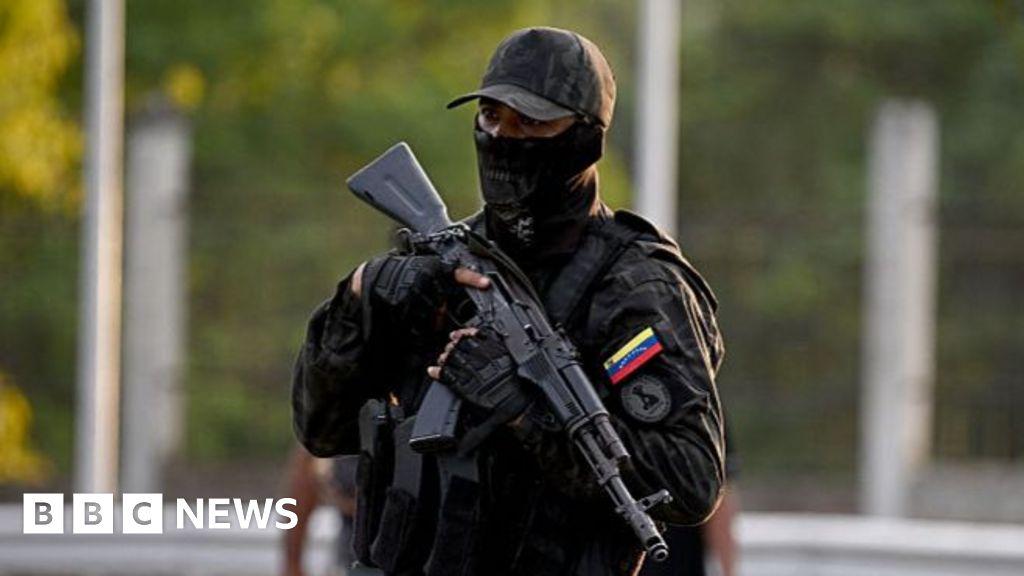
The BBC and Al Jazeera relayed claims that US forces disabled power and used air strikes to cover the extraction.
Al Jazeera reported that late Friday night Trump authorized the operation, helicopters landed at Maduro's compound in the early hours of Saturday, and Maduro and his wife, Cilia Flores, were taken into US custody.
The BBC stated that President Donald Trump said US forces cut power in Caracas during the operation, that no US troops were killed and only a few were injured, and that air strikes around Caracas were used to cover the extraction.
CBS News added coverage of international responses and domestic political goals, reporting Sen. Tom Cotton urging the U.S. to ensure Venezuelan officials do not continue Maduro's policies and to seek new elections.
Venezuela leadership and charges
BBC reported that US Attorney General Pam Bondi announced indictments in the Southern District of New York charging Maduro and his wife with drug- and weapons-related offenses. BBC also reported that Venezuela’s Supreme Court swore in Vice‑President Delcy Rodríguez as interim president, and she immediately demanded Maduro’s release. The New York Post noted that, despite US custody of Maduro, his Chavista allies still control key levers of power in Venezuela.
“US Attorney General Pam Bondi announced indictments in the Southern District of New York charging them with drug- and weapons-related offenses, including conspiracy to commit narco-terrorism and import cocaine.”
Analysts cited by the Post say recent strikes have not meaningfully weakened the state institutions that answer to the presidency. CBS framed the developments in terms of US domestic politics, quoting Senator Cotton calling for new elections and policy changes.
International responses to US action
International responses diverged: some leaders praised the US action while others warned of legal and humanitarian consequences. CBS reports that Israeli Prime Minister Benjamin Netanyahu publicly backed strong US action after American forces captured Maduro, praising President Trump and US troops. CBS also reports that Pope Leo XIV urged prioritizing the Venezuelan people's welfare, safeguarding the country's sovereignty and rule of law, ending violence, protecting human rights, and focusing on the poorest.
Al Jazeera records that strikes have been blamed for more than 100 deaths and have drawn legal criticism from the UN and experts, highlighting international legal concern. The BBC notes uncertainty around casualty figures and describes a broad international debate over a possible temporary US role in running Venezuela and the legal and diplomatic consequences.

Venezuela, Oil and Geopolitics
Observers and markets immediately flagged major economic implications, especially for oil. The Business Standard notes the US military's ouster of Venezuelan President Nicolás Maduro is expected to quickly redirect Venezuela's oil exports back toward the United States and away from China, giving US refiners an immediate lift. The same outlet reports President Trump suggested the US would run Venezuela for a period of time.
“The US military's ouster of Venezuelan President Nicolás Maduro is expected to quickly redirect Venezuela's oil exports back toward the United States and away from China, giving US refiners an immediate lift.”
The BBC records that US officials said they would run the country temporarily and quotes Trump saying US oil firms would help monetize reserves. The New York Post frames the operation in geopolitical terms. It reports US officials portray the regime as having ties to Iran, Hezbollah and Cuba and warns this framing links political and strategic aims to energy and regional influence.
