Syria11 January, 20263 min read
United States and Allies Launch Large-Scale Airstrikes Across Syria Against Islamic State After Palmyra Attack
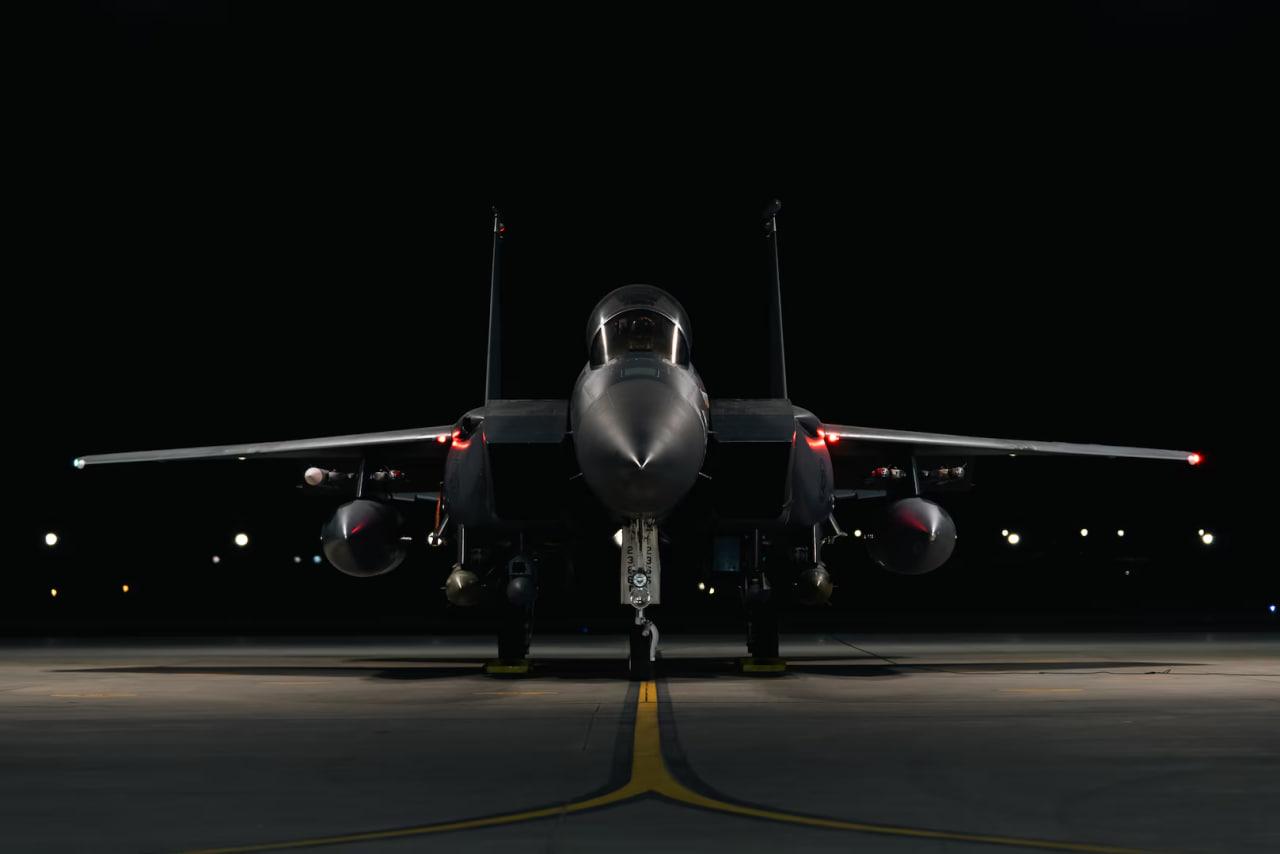
U.S. and allied forces conducted Operation Hawkeye Strike, large-scale airstrikes against ISIS across Syria Strikes retaliated for Dec.13 Palmyra ambush that killed three Americans
35 outlets told this the same way.
Outlets did split on France Suspends Police Stun Grenades at High School Protests After 15-Year-Old Loses Hand →
U.S. Airstrikes in Syria
U.S. Central Command said U.S. and allied forces carried out large-scale airstrikes across Syria around 12:30 p.m. ET as part of a campaign described in many reports as Operation Hawkeye Strike, ordered in response to a December attack in Palmyra that killed U.S. personnel.
“US and allied forces carried out large-scale strikes across Syria on Saturday (Jan. 10), CENTCOM said, as part of Operation Hawkeye Strike.”
Multiple outlets report the strikes targeted Islamic State positions across central and other parts of Syria and described the operation as intended to 'root out' or 'dismantle' IS infrastructure and to protect U.S. and partner forces.

Coverage consistently frames the strikes as a direct retaliatory response linked to the Palmyra ambush and as part of an ongoing U.S.-led counter-ISIS campaign.
Jan. 10 strike details
Multiple outlets cite CENTCOM or U.S. officials saying the Jan. 10 action used more than 90 precision-guided munitions delivered by more than two dozen aircraft and hit over 35 targets, including command centers, weapons storage, and staging areas.
Other reports describe earlier phases that struck roughly 70 targets across central Syria and released aerial footage of explosions, and most accounts say coalition partners, including Jordan, participated.

While exact locations and casualty figures remain unconfirmed by the Pentagon, the accounts converge on a picture of a coordinated, high-intensity air campaign against dispersed Islamic State positions in Syria's desert and central provinces.
Conflicting Palmyra reports
Reports differ on the immediate trigger and the Palmyra casualty count, though most agree the ambush in mid‑December prompted the strikes. Several outlets describe the attacker as a lone IS gunman and say U.S. personnel killed included two soldiers and a U.S. civilian interpreter. Other outlets report the Palmyra assault killed three Americans.
“Washington described the attacker as an ISIS militant, while Syria’s Interior Ministry said he was a security-force member due to be dismissed for extremism.”
Syrian official statements introduce an alternative account, with Syria’s Interior Ministry and some domestic reporting suggesting the attacker was a security‑force member due to be dismissed for extremist views. These variations — between the two‑plus‑interpreter account, the "three Americans" account, and the Syrian government narrative — are repeated across outlets and shape whether the strikes are framed as a U.S. response to an IS external‑operations act or as a contested, locally complex incident.
U.S. strikes and messaging
U.S. statements and partner messaging emphasized deterrence and pursuit. CENTCOM and U.S. officials warned they would 'find you and kill you anywhere in the world' if U.S. forces were harmed. Officials described the strikes as intended to protect U.S. and partner forces and to prevent future attacks.
Several regional and Western reports note changing U.S. policy and partnerships in Syria after political shifts there. Some coverage says Washington has increasingly coordinated with Damascus since Assad's ouster and that Jordan participated in the strikes. Other outlets portray the strikes as part of a continuing campaign against ISIS remnants, with the Kurdish-led Syrian Democratic Forces historically the U.S.'s main partner.

Syria strike coverage
Reports highlight open questions and differing emphases on aftermath and policy. Most outlets say the Pentagon has not confirmed exact strike locations or casualty figures. Some note arrests of IS figures by Syrian authorities.
“Centcom warned it would ‘find you and kill you anywhere in the world’; the military has not confirmed exact strike locations or any casualties.”
Several outlets draw attention to U.S. plans to reduce and consolidate forces in Syria. Coverage mixes operational reporting with political context, ranging from local Syrian claims and arrests reported by Long Beach Press‑Telegram, BreakingNews.ie, and سانا to U.S. troop reduction discussions and Washington debates in The Indian Express, NZ Herald, and Daijiworld. The combined record across sources shows a coordinated strike with uncertain damage assessments and competing national narratives over responsibility and repercussions.
