United States and Iran Set Oman Talks to Restart Nuclear Negotiations

United States and Iran Set Oman Talks to Restart Nuclear Negotiations

08 February, 202626 sources compared
Iran

Key Points from 26 News Sources

  1. 1

    United States and Iran held indirect talks in Oman and agreed to continue nuclear negotiations.

  2. 2

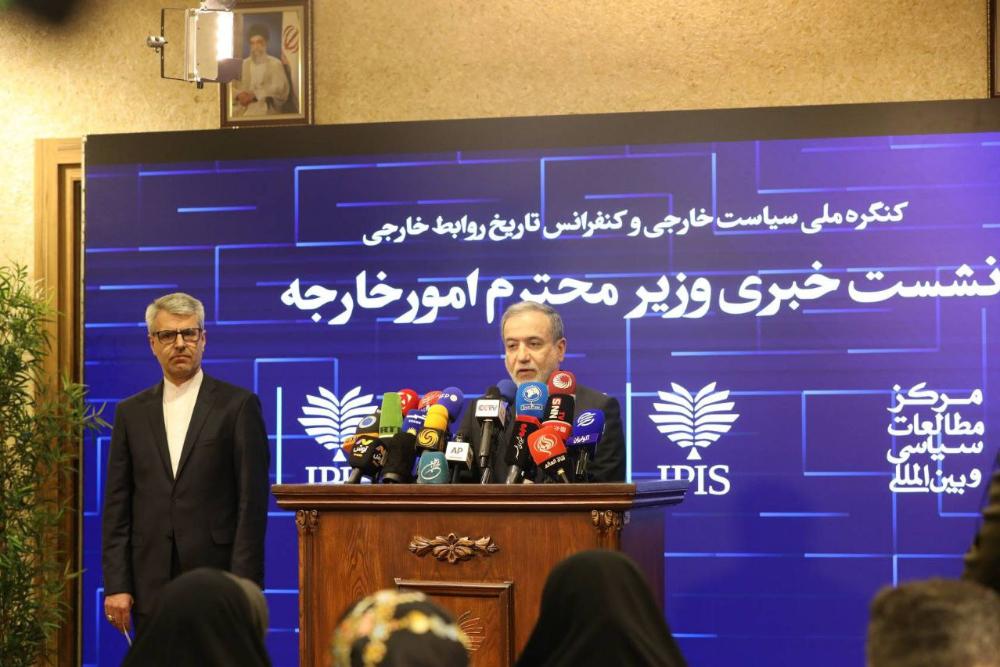
    Iran’s foreign minister declared the country’s missile program 'never negotiable' in talks with the US.
  3. 3

    Iran insisted on its right to enrich uranium, rejecting any 'zero enrichment' demand.

Full Analysis Summary

U.S.–Iran Oman talks

U.S. and Iranian envoys met in Oman in early February for talks intended to restart nuclear diplomacy after last year’s collapse of negotiations.

Both sides described the engagement as tentative but positive.

Vocal.media reported the meetings as resuming direct talks in Oman over Tehran’s nuclear program amid a politically fraught moment for Iran, noting nationwide protests, economic strain, and international criticism.

Vocal.media also noted Oman was chosen as a neutral, trusted venue that has long hosted discreet backchannel diplomacy.

RTE and Al‑Jazeera Net recorded leaders’ upbeat language, with RTE saying both sides called it a "good start" and President Trump describing the meetings as "very good."

Al‑Jazeera Net noted Trump said a second round could happen "early next week," and The Hindu quoted Iran’s Abbas Araghchi calling the meeting a "good start" and saying another round will take place "soon."

Coverage Differences

Tone and emphasis

Different sources emphasize distinct aspects of the meeting: vocal.media frames the talks in the context of Iran’s domestic crisis and diplomatic technicalities, RTE and Al‑Jazeera Net foreground leaders’ optimistic public characterizations, and The Hindu highlights Iran’s immediate diplomatic messaging through Araghchi’s quotes. Each source is reporting participants’ quotes rather than asserting identical independent facts.

Source framing vs. reported quotes

Some outlets present the meeting chiefly through participant quotes (e.g., The Hindu, RTE), while others (vocal.media) situate the meeting in a broader political context — reporting both quotes and surrounding pressures. The difference reflects editorial focus: immediate diplomatic optics versus background drivers.

Iran's red lines in Oman

Iran repeatedly presented firm red lines during the Oman meetings.

Regional and Iranian outlets record Abbas Araghchi saying uranium enrichment is an "inalienable right" that "must continue."

Araghchi also said Iran remained open to a "reassuring agreement on enrichment."

He stressed Iran's missile programme is "never negotiable."

Geo News captured Tehran's precondition language that "zero enrichment can never be accepted."

Mehr News Agency reports parliament and government figures insisted on preserving Iran's nuclear industry and warned against linking military or economic matters to the talks.

China Daily likewise quotes Araghchi saying the missile programme is "never negotiable" and that Iran might target American bases in the region if attacked.

Coverage Differences

Contradiction / red lines

Israeli and Iranian sources outline mutually exclusive red lines: The Jerusalem Post reports Israeli officials demand “no uranium enrichment” and removal of Iran’s enriched stockpile as preconditions, whereas Iranian and regional outlets (Geo News, Mehr, The Hindu) quote Iranian officials rejecting zero enrichment and calling enrichment “inalienable.” This is a direct policy contradiction between what Israel demands and what Iran publicly insists it will not accept.

Scope of negotiation

Some outlets report the talks stayed narrowly focused on the nuclear file: Middle East Eye (citing Haaretz) says the parties agreed to limit talks to Iran’s nuclear programme and dropped a US demand to discuss ballistic missiles after regional interventions — a contrast with Israeli and some US demands to include missiles and proxies.

U.S. pressure on Iran

U.S. objectives and pressure tools appear simultaneously diplomatic and coercive in reporting.

Vocal.media summarizes Washington’s core demand as verifiable limits and inspections to prevent a "breakout."

RTE, Express Tribune and other outlets note the U.S. announced new sanctions on shipping firms and that President Trump signed an executive order imposing tariffs on countries still doing business with Iran.

NPR and other outlets link sanctions to domestic economic strain and protests inside Iran, which U.S. policymakers regard as part of the leverage picture.

At the same time, The Jerusalem Post warns that Israeli officials view the U.S. re-engagement as a gamble that could legitimize Tehran if nuclear-only talks ignore domestic repression and regional behaviour.

Coverage Differences

Narrative emphasis / policy framing

Western mainstream and analysis outlets (vocal.media, NPR) emphasize technical nuclear demands — limits, inspections, and the risk of a breakout — whereas some regional and Israeli outlets (Jerusalem Post) stress political and timing concerns about legitimizing a repressive regime. Each source is reporting different aspects of the same diplomatic debate: technical safeguards versus geopolitical and moral considerations.

Concurrent coercive measures vs. diplomacy

Several outlets (RTE, Express Tribune, middleeasteye.net) report the talks occurred alongside new U.S. sanctions and a regional military buildup — highlighting a simultaneous use of pressure and negotiation. Regional outlets report these measures as escalation risk while U.S. statements emphasise negotiation — a contrast in narrative framing.

Diplomacy under military shadow

Reporting highlights immediate security risks surrounding the diplomacy.

The Hindu, WION and China Daily cite Araghchi's warning that Iran would strike U.S. bases in the region if Washington attacked Iranian territory.

Middle East Eye and Express Tribune describe a concurrent U.S. military presence and warnings such as a U.S. virtual embassy urging Americans to 'leave Iran now.'

Middle East Eye adds that Israel's media and leaders signalled alarm, quoting Netanyahu on a 'build-up of conditions toward a critical mass' that could bring about the Iranian regime's downfall.

Those pieces portray talks happening under a tense regional military shadow.

Coverage Differences

Risk framing / threat language

West Asian and regional outlets (Mehr, MiddleEastEye, Geo News) emphasize Iran’s defensive posture and warnings — quoting Iranian officials threatening retaliation against regional bases — while Western mainstream outlets (The Guardian, France24) focus on the broader military deployment and diplomatic pressure from allies like Israel. The difference is one of whose statements are foregrounded: Iranian defensive warnings versus Western/Israeli alarm about escalation.

Urgency vs. negotiation space

Some outlets present the situation as urgent and combustible (expressing evacuation notices and naval deployments), while others highlight diplomatic room to continue talks (Araghchi calling it a “good start”). Those are complementary but different narratives about whether diplomacy can outpace escalation.

Nuclear talks outlook

Outcomes remain uncertain, with analysts and reporting pointing to modest, incremental possibilities but noting many obstacles.

Vocal.media lists potential modest outcomes such as temporary enrichment caps, expanded inspections, limited sanctions relief, or a roadmap for further talks.

Middle East Eye, citing Haaretz, reports that the parties may have agreed to limit talks to the nuclear programme, narrowing the scope and excluding missiles.

Mehr and other Iranian outlets emphasize parliamentary and domestic political constraints, saying no deal will be accepted 'at any cost' and insisting any agreement must comply with domestic law.

The Hindu, RTE and other outlets repeatedly note that another round is expected soon but give no date, underscoring how negotiations will be iterative and fragile.
Coverage Differences

Optimism vs. constraint

Some sources (vocal.media, RTE, The Hindu) report guarded optimism about modest, negotiable technical outcomes, while Iranian outlets (Mehr) and Israeli reporting (Jerusalem Post) stress domestic and strategic constraints that could block compromise. The contrast reflects different weights given to diplomatic potential versus political red lines reported by each outlet.

Scope narrowing reported by third parties

Middle East Eye (citing Haaretz) reports the talks may have been kept to the nuclear issue, dropping missile discussions after interventions by Gulf mediators — a development that contrasts with Israeli pressure to expand the agenda and with U.S. statements about broader concerns.

All 26 Sources Compared

@globaltimesnews

No title found

Read Original

Al Jazeera

Iran FM says Tehran ready for deal with US with peaceful nuclear enrichment

Read Original

Al Jazeera

Iran arrests prominent reformist politicians, cites links to US, Israel

Read Original

Al-Jazeera Net

An Iranian official will visit Muscat soon, and parliament is discussing negotiations with Washington.

Read Original

China Daily

Iran's missile program non-negotiable: Foreign Minister

Read Original

China Daily - Global Edition

Iran's missile program 'never negotiable' with US: FM

Read Original

Firstpost

Iran warns it will hit US bases if attacked, says missile programme not negotiable amid talks

Read Original

France 24

Military pressure 'does not scare' Iran, FM says after US envoys visit aircraft carrier

Read Original

Geo News

Iran insists on right to enrichment, ready for confidence-building

Read Original

iwcp.net

Iran Arrests Reformist Figures Over Alleged US, Israel Ties

Read Original

LBCI Lebanon

Iran FM says missile program 'never negotiable' in talks with US

Read Original

Mehr News Agency

What happened in Iranian parliament's closed-door session?

Read Original

middleeasteye.net

Iran says missile programme 'never negotiable' in talks with US

Read Original

news.cgtn

Iran FM says missile programme 'never negotiable' in talks with US

Read Original

NPR

Iran, protests, and sanctions

Read Original

Roya News

Iranian official to visit Muscat as parliament discusses US nuclear talks

Read Original

RTE.ie

Iran warns of retaliation if attacked, eyes more US talks

Read Original

Tehran Times

We insist on right to enrichment even at cost of a war: Iranian FM

Read Original

The Express Tribune

If US attacks, Iran says it will strike US bases in the region

Read Original

The Guardian

Iran arrests leading reformists close to the country’s president

Read Original

The Jerusalem Post

Talking to Tehran: Why US returned to the negotiating table as Iran was at its weakest

Read Original

thehindu

Iran FM says missile programme 'never negotiable' in talks with U.S.

Read Original

Türkiye Today

‘If US attacks, its regional bases will be targeted,’ Iran warns

Read Original

vocal.media

Iran and US Set for Talks in Oman Over Nuclear Program After Tehran Shaken by Nationwide Protests

Read Original

WION

‘Will attack their bases’: Iran’s BIG warning to Trump if US attacks Tehran

Read Original

نورنیوز

Iran will not accept zero enrichment under any circumstances

Read Original