
United States and Israel Attack Iran, Prompting Condemnation and Strengthening Kim Jong Un's Nuclear Resolve
Key Takeaways
- The United States and Israel attacked Iran.
- United Nations Secretary General António Guterres condemned the "use of force".
- Weeks of escalating tensions and major U.S. military buildup preceded the strikes.
Global reactions to strikes
U.S.- and Israeli-led strikes on Iran prompted an urgent international response and a UN Security Council emergency meeting chaired by Britain.
“Here's how world leaders are reacting to the U”
Reporting described the action as significant enough to trigger immediate diplomatic activity and global attention, noting both the strikes themselves and the swift convening of the Security Council.
World leaders and organizations reacted across a wide spectrum, with responses ranging from calls for restraint and diplomacy to outright condemnation or support for the strikes.
Overall reactions highlighted deep international divisions, including widespread calls for de-escalation and diplomacy alongside statements justifying or supporting steps to prevent Iran’s nuclear development.
Western reactions to Iran strikes
Reactions from Western institutions and governments were mixed but leaned toward urging restraint while also reiterating pressure on Iran over its nuclear activities and regional behavior.
European Commission President Ursula von der Leyen called the developments "greatly concerning," urged nuclear safety and restraint.
EU foreign chief Kaja Kallas described the situation as "perilous," stressed civilian protection, and criticized Iran’s regional behavior.
The E3 (France, Germany, UK) publicly urged Iran to abandon its nuclear program and stop repression, said they did not participate in the strikes, condemned Iran’s retaliatory attacks, and warned against indiscriminate strikes.
International reactions to strikes
Other governments split between outright support for measures aimed at curbing Iran’s nuclear ambitions and strong condemnation of the strikes as unlawful escalation.
“Here's how world leaders are reacting to the U”
Spain explicitly rejected the unilateral U.S.-Israeli action as an escalation and called for immediate de-escalation and respect for international law.
Canada and Australia backed U.S. actions intended to prevent Iran from obtaining nuclear weapons and criticized Iran’s destabilizing regional role and human-rights record.
Russia called the strikes premeditated aggression and warned of uncontrolled escalation, while China condemned the strikes, demanded respect for Iran’s sovereignty and called for an immediate halt to military actions.
Regional responses and risks
Regional and other actors added further complexity, underscoring risks of wider conflict while offering distinct diplomatic angles.
Ukraine’s president Volodymyr Zelenskyy supported the U.S. response and explicitly linked Iran to Russia through the supply of Shahed drones used against Ukraine.
Oman’s mediator Badr Albusaidi, who said nuclear talks had been active and Iran had agreed to zero stockpiling, expressed dismay and urged the U.S. not to deepen involvement.
Lebanon’s Prime Minister Nawaf Salam warned against dragging Lebanon into regional conflict.
Reactions to strikes on Iran
On the specific question of whether the strikes have strengthened North Korea leader Kim Jong Un's nuclear resolve, the provided article does not address Kim Jong Un or North Korea.
“Here's how world leaders are reacting to the U”
The sources available here therefore do not support any conclusion on that point.
The NPR reporting focuses on immediate international reactions, calls for de-escalation, and concerns about nuclear safety and regional spillover, but it contains no discussion of North Korea's posture or any direct linkage to Kim Jong Un.
World leaders and organizations reacted sharply after U.S.- and Israeli-led strikes on Iran, prompting a UN Security Council emergency meeting Saturday chaired by Britain.
Overall, reactions highlighted deep international divisions: widespread calls for de-escalation and diplomacy alongside statements justifying or supporting steps to prevent Iran's nuclear development.
Responses ranged from calls for restraint and diplomacy to outright condemnation or support for the strikes.
More on North Korea
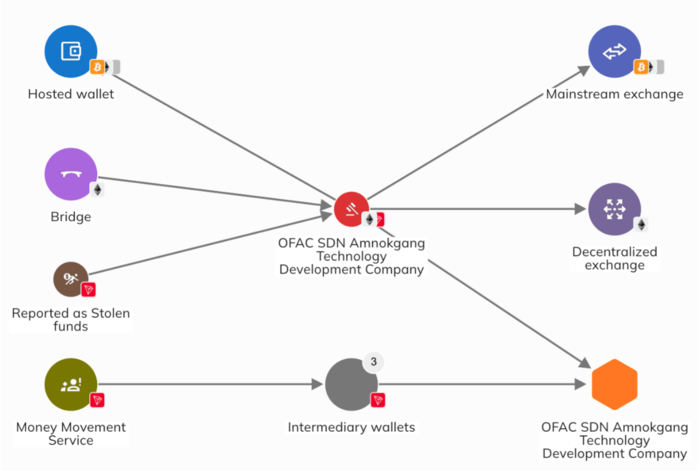
U.S. Treasury Freezes Crypto Network Feeding Nearly $800 Million To North Korea's Weapons Programs
10 sources compared
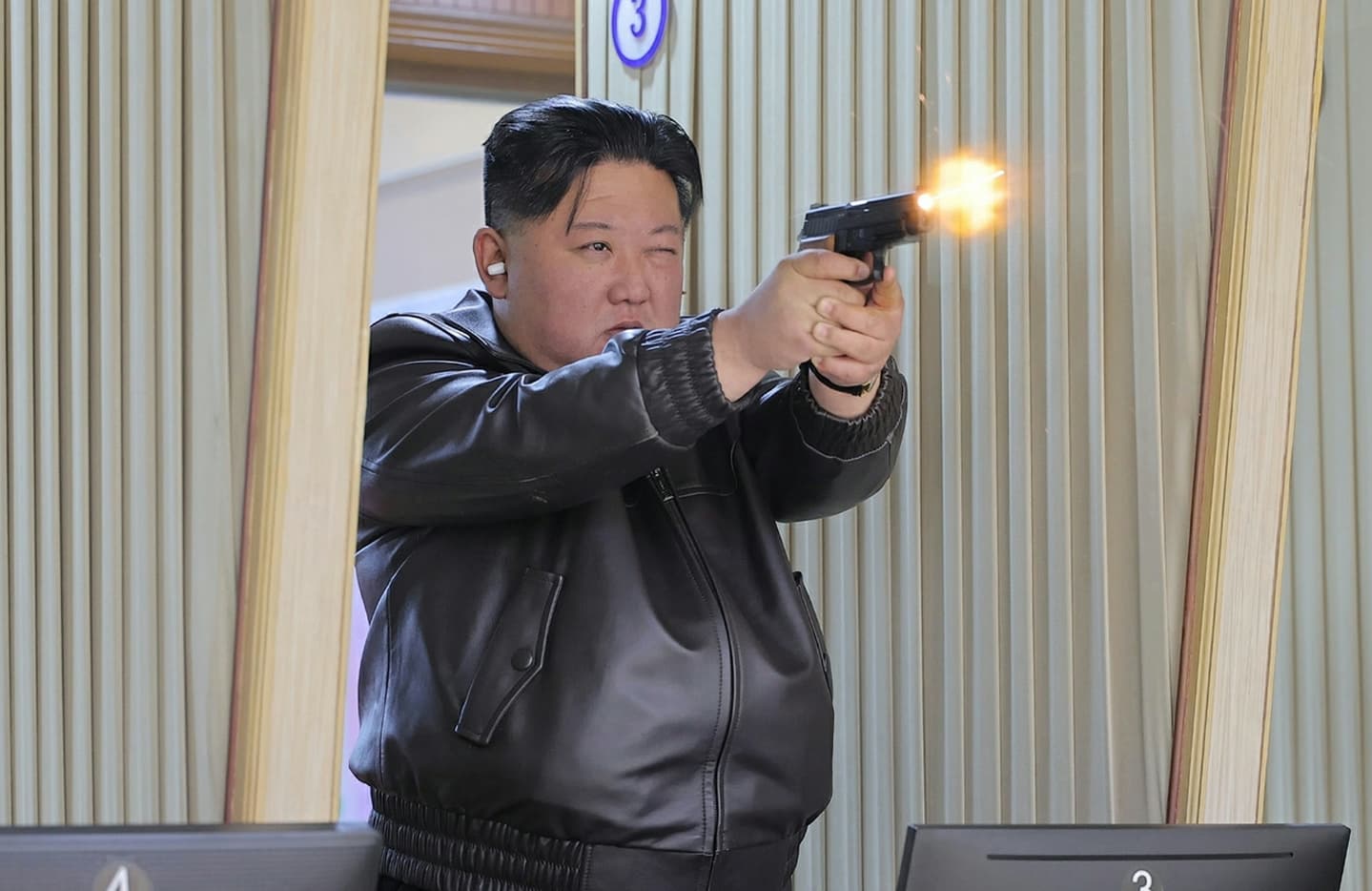
North Korean leader Kim Jong Un grooms daughter Ju Ae firing pistols at munitions factory
12 sources compared

Kim Jong Un Arms Inner Circle With Sniper Rifles After Party Congress
17 sources compared
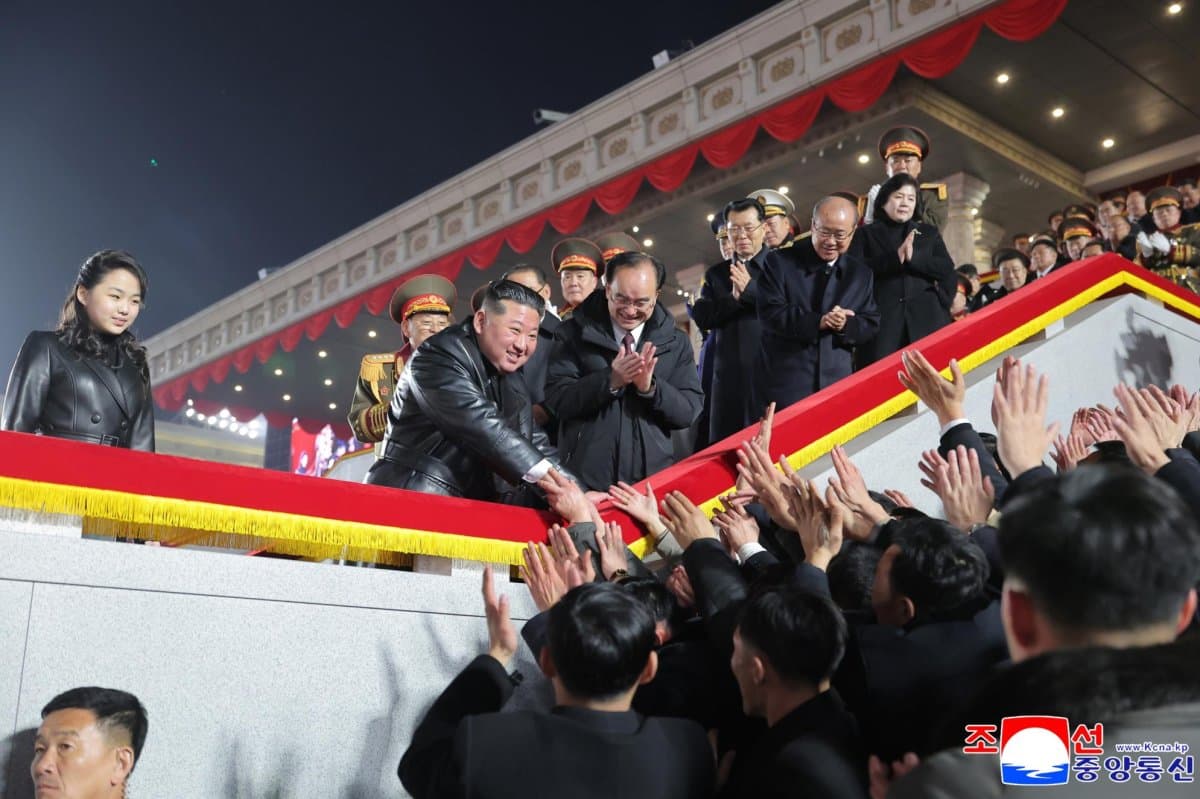
Kim Jong Un Vows to Expand North Korea’s Nuclear Arsenal
12 sources compared