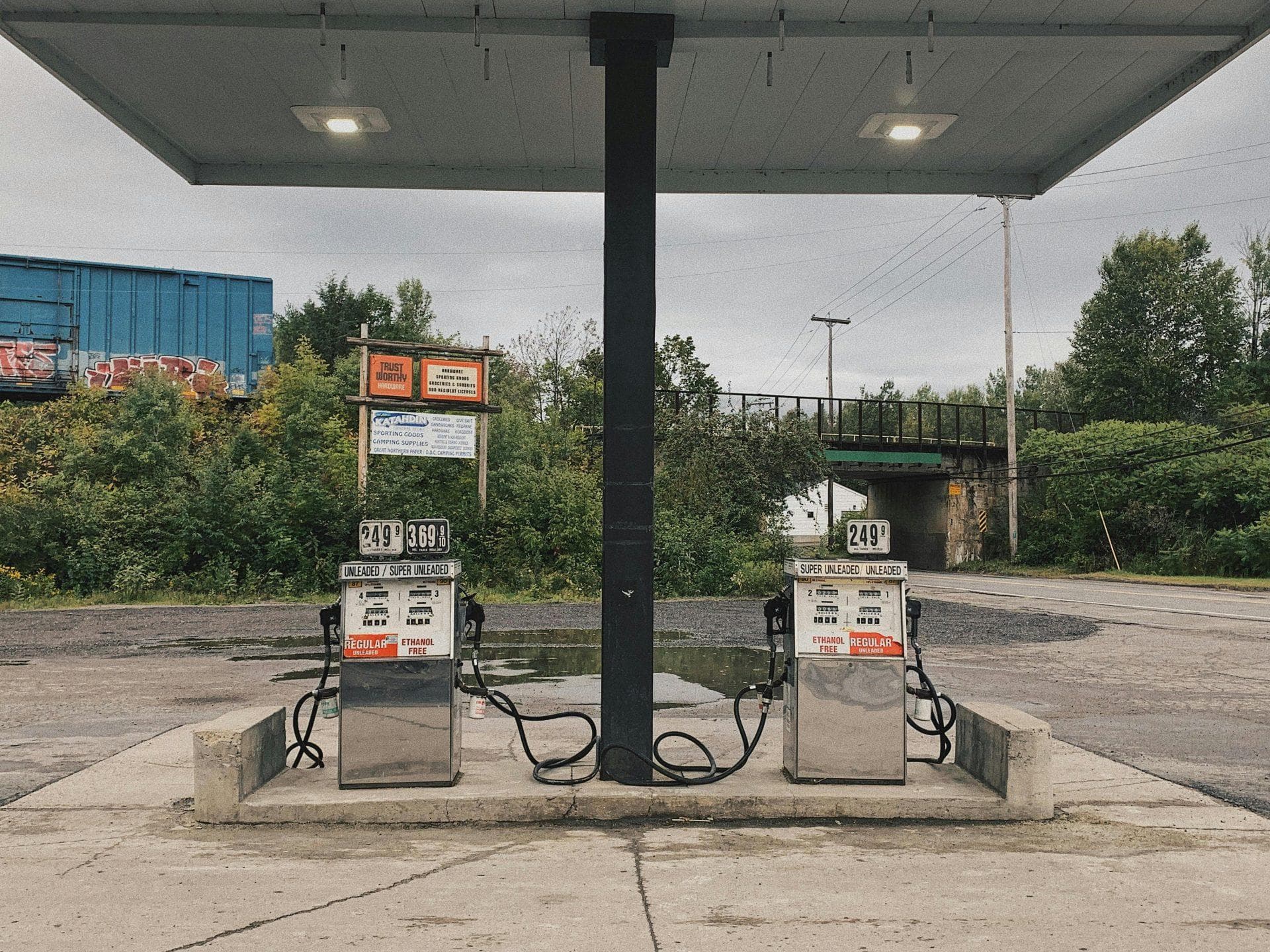
United States and Israel Strike Iran, Driving Global Fuel Prices Higher
Strikes and fuel markets
United States and Israeli strikes on Iran have entered their eighth day and are widely reported to be driving global fuel prices sharply higher.
“The United States-Israeli war on Iran could leave consumers and businesses worldwide facing weeks or months of higher fuel prices even if the conflict, which is now in its eighth day, ends quickly, as suppliers grapple with damaged facilities, disrupted logistics, and elevated risks to shipping”
Analysts warn that the impact could last “for weeks or months even if the fighting ends quickly.”

Coverage from regional and alternative outlets links the military escalation directly to market disruption, describing a “widening war” that is already “roiling global energy markets.”
Strikes and energy costs
Observers point to direct mechanisms linking the strikes to higher energy costs.
One mechanism is physical damage to energy infrastructure.
Another mechanism is broken logistics chains.
A further mechanism is elevated shipping risks that constrain supply.
Commentators highlight the vulnerability of key maritime routes, notably the Strait of Hormuz, as a chokepoint where disruptions could sharply reduce flows of crude and refined products.
Pakistan fuel price response
The market effects are already rippling into national policy.
“The United States-Israeli war on Iran could leave consumers and businesses worldwide facing weeks or months of higher fuel prices even if the conflict, which is now in its eighth day, ends quickly, as suppliers grapple with damaged facilities, disrupted logistics, and elevated risks to shipping”
Pakistan raised pump prices sharply, hiking petrol and diesel by $0.20 per litre (about 20.7%), moving petrol to $1.15/litre and diesel to $1.20/litre, officials said.
Authorities there cited steep international price rises — with some petroleum products reportedly up 50–70% in global markets since the hostilities began — and announced measures including a crackdown on fuel hoarding.
Economic and political fallout
Analysts and regional reporting warn of broader economic and political fallout: sustained price rises would "threaten the global economy" and pose a "political liability for President Trump ahead of the midterms," as voters are sensitive to energy costs and wary of foreign entanglements.
The coverage underscores uncertainty — while some impacts are observable now, commentators stress that the scale and duration of price shocks depend on the course of the military confrontation and its effects on supply routes and infrastructure.
Key Takeaways
- United States and Israel struck Iran, widening the conflict into a broader war
- Global energy markets were disrupted, sending oil and fuel prices sharply higher
- Consumers and businesses face weeks or months of higher fuel prices and economic strain
More on Iran-Israel

Iran Names Mojtaba Khamenei Supreme Leader After US-Israel Strike Killed Ali Khamenei
41 sources compared

Israel Bombs Tehran Oil Depots, Blankets Capital With Toxic Black Smoke and Oil Rain
11 sources compared

U.S. and Israel Kill Iran's Supreme Leader, Trigger Regional War
49 sources compared

Iran Kills Seventh U.S. Service Member After Attack on Saudi Military Base
16 sources compared