United States and Israel War Against Iran Disrupts Oil and Gas Supply, Drives Energy Shift
Image: یورونیوز

United States and Israel War Against Iran Disrupts Oil and Gas Supply, Drives Energy Shift

02 May, 2026.Iran.10 sources

Key Takeaways

  • Oil and gas supply disruption prompts rationing and subsidies.
  • War accelerates shift to renewable energy as energy security concerns rise.
  • Investors flow into clean-energy funds as the energy transition accelerates.

Hormuz standoff and rhetoric

The Iran war and the standoff over the strait of Hormuz have driven a cycle of verbal escalation and energy-market anxiety, with outlets describing how the dispute is reshaping both geopolitics and energy planning.

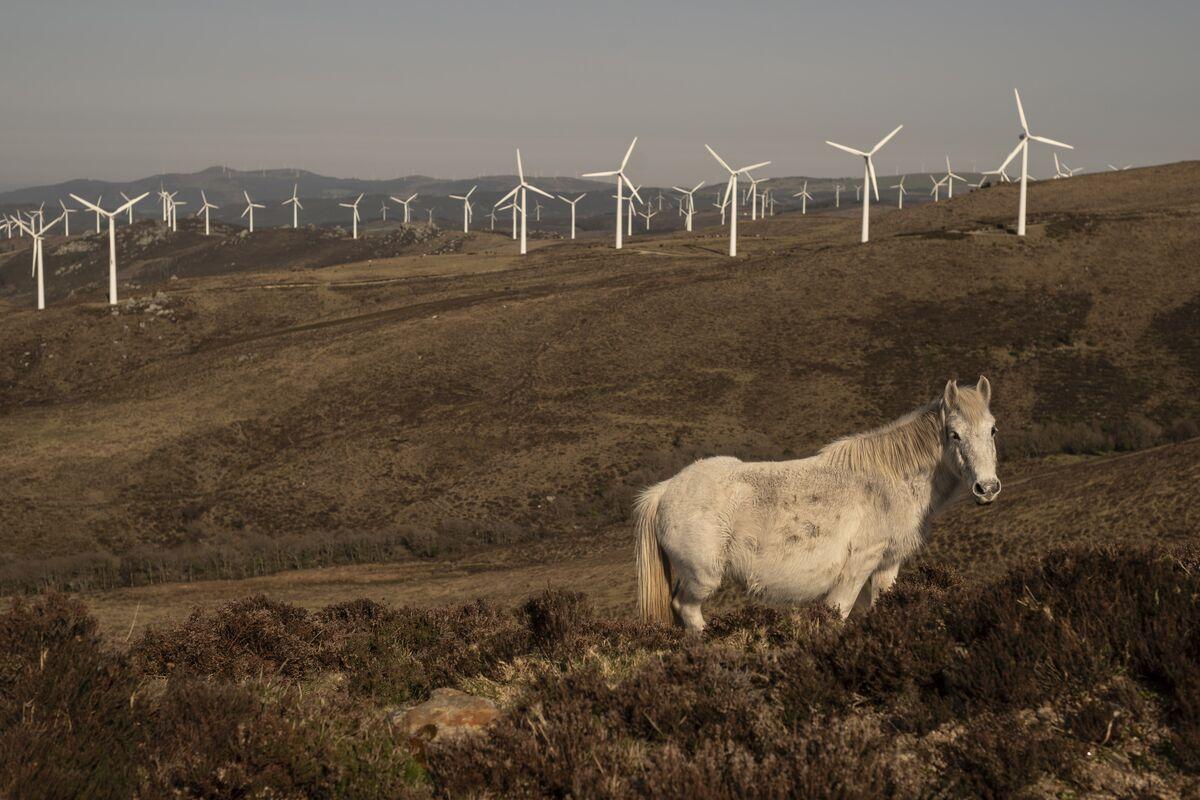
The UN climate envoy says that the Iran war has accelerated the world's transition to renewable energy sources as countries seek to reduce their exposure to volatile oil and gas markets

Ariana NewsAriana News

In The Guardian’s account, Iran was “choking like a stuffed pig” on the oil it was unable to export because of the US blockade, a claim attributed to Donald Trump.

Image from Ariana News
Ariana NewsAriana News

The same article reports that from Tehran, the supreme leader shot back that foreigners who “maliciously covet” the waterway “have no place there except at the bottom of its waters”.

The Guardian frames the exchange as raising “the spectre of a prolonged impasse,” while also linking it to a broader shift in energy systems.

The Energy Platform-linked report in الطاقة says the Strait of Hormuz is a vital chokepoint for about 20% of global energy flows, and argues that the myth of guaranteed security in fossil-fuel markets has faded.

In parallel, Shafaqna’s translation service says Reuters reported that the war by the United States and Israel against Iran disrupted the supply of oil and gas, forcing some countries to ration fuel and others to implement subsidies and tax cuts to protect consumers from rising prices.

Across these accounts, the same strategic geography—Hormuz as a chokepoint—appears as the mechanism connecting military tension to energy disruption and price pressure.

Energy crisis tracker and policy shifts

As the Iran war continues, multiple outlets describe how governments and institutions are responding to soaring oil and gas prices with emergency measures and longer-term energy planning.

The Guardian reports that the International Energy Agency’s energy crisis tracker now lists “almost 40 countries” that have taken emergency action in the face of soaring oil and gas prices, citing examples such as Laos shortening the school week to three days and Nepal calling for cooking gas cylinders to be half filled.

Image from CNN Arabic
CNN ArabicCNN Arabic

The same Guardian piece says the impact will be painful even for high-income countries such as the UK, referencing “the Bank of England’s latest forecasts,” and it adds that in developing countries it may be catastrophic as the costs of energy and fertiliser soar.

In the Energy Platform-linked report in الطاقة, officials argue that the rise in oil prices is unlikely to be temporary and will reveal the fragility of energy systems in many countries.

Ani Dasgupta, CEO of the World Resources Institute, is quoted describing the situation as a “wake‑up call” and as a climate concern and “a threat to civilization itself.”

The report also states that the shock of the Iran war, coming on the heels of Ukraine’s invasion, delivers a “double blow” and that “our global infrastructure was not designed to absorb it.”

CNN Arabic’s framing of winners and losers ties the same energy disruption to household costs, saying the annual inflation rate rose to 3.3% in March from 2.4% in February and that Americans are paying higher prices for gasoline and air travel.

Who loses, who adapts

CNN Arabic says “there are no real winners from this war,” quoting Brookings Institution researcher Melanie Sisson: “There are no real winners from this war, but there are some countries that are relatively well positioned to manage its effects.”

It describes the United Arab Emirates as the most affected, targeted by Iranian missiles and drones more than any other country, including Israel, while noting that “the vast majority were intercepted” but that “damage did occur, threatening the UAE’s status as a regional hub for business and tourism.”

CNN Arabic also says Iran’s closure of the Strait of Hormuz dealt a “devastating blow” to Iraq, Qatar, and Kuwait, which rely on the corridor to export their oil, natural gas, and other products, and it adds that the IMF cut growth forecasts for these economies predicting contractions for this year.

In Masrawy’s two-month winners-and-losers framing, the Iranian people are described as the biggest losers, with the Iran Human Rights Activists Organization saying American and Israeli strikes targeting thousands of sites, including civilian facilities, killed more than 3,600 people, including more than 1,700 civilians.

Masrawy also says security measures intensified with a crackdown on opponents under new leadership headed by Supreme Leader Mojtaba Khamenei, and it reports “more than 600 executions since the start of the year,” alongside internet restrictions that lasted more than eight weeks.

The same CNN Arabic report says the Iranian regime intensified its “brutal crackdown on the opposition,” and it states that the government executed more than 600 people since the start of the year and imposed an internet blackout for more than eight weeks.

Clean energy as the pivot

Across the coverage, the Iran war is repeatedly linked to a shift toward renewable energy, with multiple outlets citing specific figures, institutional statements, and market signals.

The Guardian argues that “this fossil fuel crisis is also hastening the inevitable global shift away from oil and gas,” and it quotes Kate Mackenzie’s line that “About 45% of crude oil consumed worldwide is used for road transport, much of which is increasingly cheap to electrify.”

Image from Masrawy
MasrawyMasrawy

It adds that carmakers have reported sharp increases in demand for electric vehicles in the face of the Iran war, citing Renault’s UK boss calling it a “seismic shift,” and it reports that across continental Europe demand in March was “51% higher than a year earlier.”

In the World Resources Institute-linked report in الطاقة, Ani Dasgupta urges governments to look beyond the war’s immediate effects and frames fossil fuels as a systemic risk, saying “our reliance on volatile fuels is a climate concern and a threat to civilization itself.”

The same report describes a financial shift, saying central banks recognize that inflation in fossil-fuel prices poses a direct threat to price stability, and it quotes Nick Robins saying “forward-looking financial institutions are changing their approach.”

Shafaqna’s Reuters-cited summary quotes UN climate secretary Simon Steel saying “Renewable energy provides energy that is safer, cheaper, and cleaner, which cannot be kept confined to the narrow chokepoints of shipping or to global conflicts.”

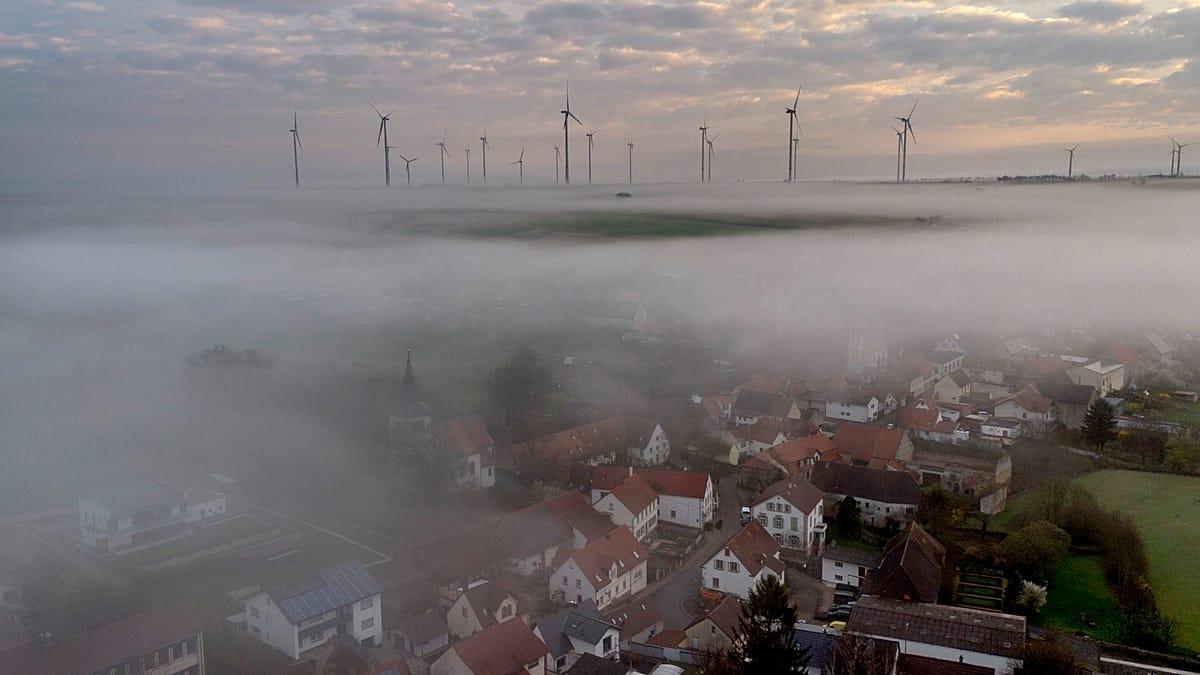
Ariana News similarly quotes Simon Stiell saying “Those who have fought to keep the world dependent on fossil fuels have inadvertently accelerated a global boom in renewable energy,” and it adds that demand for rooftop solar systems across Europe has increased while countries including Pakistan have reported rising sales of electric vehicles.

Coal forecasts and market data

While renewable-energy demand is highlighted, other reporting focuses on whether the Iran-war energy shock triggers a “return to coal,” and it provides near-real-time electricity and trade data to argue against that narrative.

Operation Epic Fury has thus far achieved none of Donald Trump’s war aims, but it may well accelerate the global transition towards the clean energy he loves to hate

The GuardianThe Guardian

Yورونیوز says CREA’s report finds that the forecast of a “return to coal” following the energy crisis caused by the war in Iran has not materialized, and it states that in March global coal-fired electricity production remained unchanged while excluding China it declined by 3.5 percent.

Image from The Guardian
The GuardianThe Guardian

The same report says that in China, because some power plants switched fuel from gas to coal, production rose by only about 2 percent, and it adds that global coal transport volumes fell by 3 percent, reaching the lowest level since 2021.

It also reports that electricity generation from fossil fuels declined by 1 percent year over year, and gas-fired electricity generation declined by 4 percent.

Yورونیوز further says solar energy alone in March saved Europe €3 billion, and it reports that solar electricity generation in the past month rose by about 14 percent while wind energy grew by nearly 8 percent in the analyzed countries.

The report notes that before the closure, the Strait of Hormuz accounted for almost a fifth of global LNG shipments, and it says the volume is enough to generate electricity equivalent to France’s total annual electricity production.

Finally, it says governments are set to meet from 24 to 29 April to discuss how to transition away from fossil fuels at the first international conference “Just Transition Away from Fossil Fuels” in Santa Marta, Colombia.

More on Iran