Full Analysis Summary
US pressure on EU rules
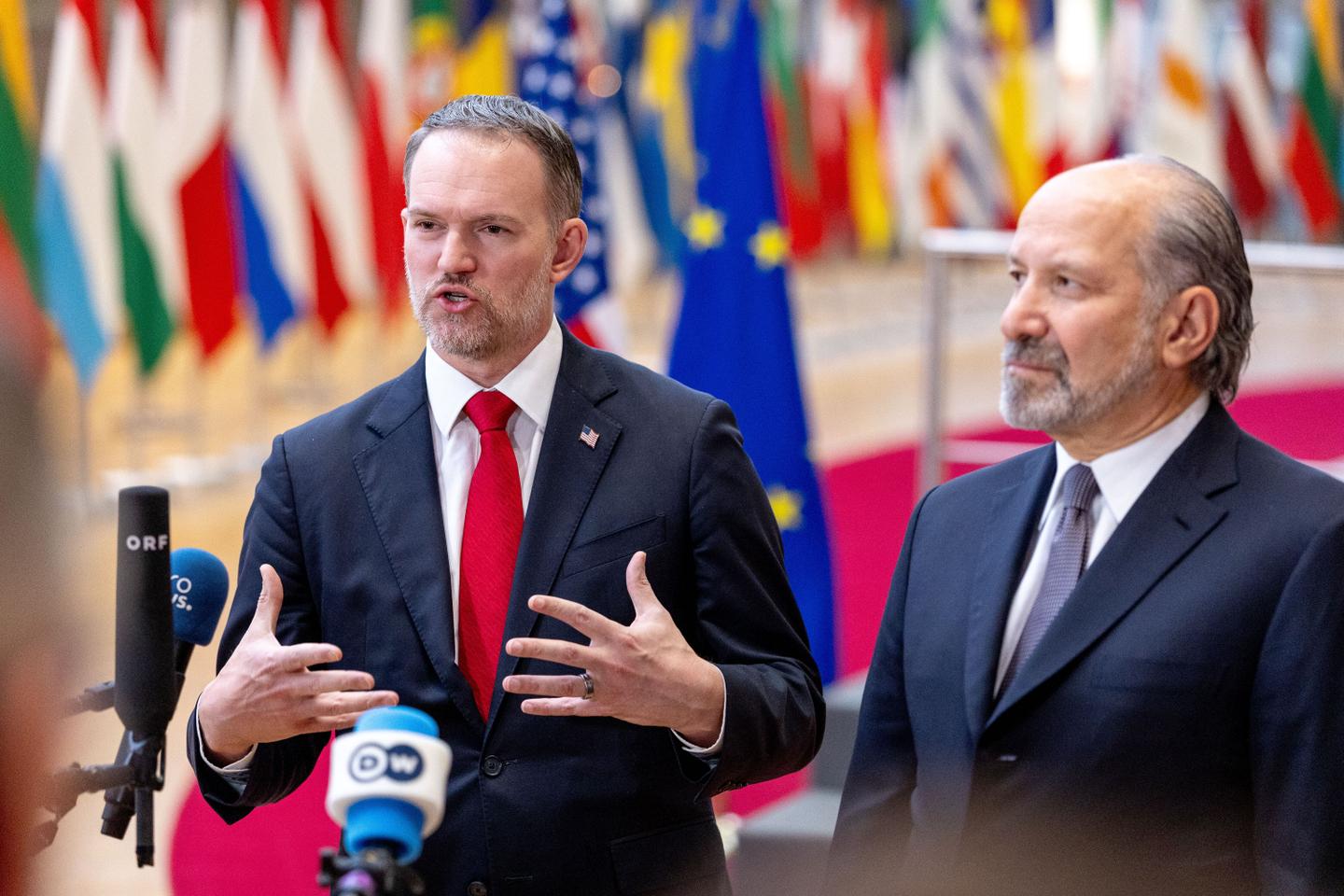
US officials, led by Commerce Secretary Howard Lutnick and U.S. Trade Representative Jamieson Greer, pressed EU ministers in Brussels to tie reductions in US tariffs on steel, aluminium and related products to changes in Europe’s digital rules.
They argued Washington expects concessions on digital services taxes and the EU’s Digital Markets Act in exchange for lower duties.
The BBC reports Lutnick saying Europe should "reconsider" its digital rules if it wants lower US tariffs.
The BBC also notes the 15% tariff framework agreed in July and flags that Washington still applies 50% duties on some items.
Le Monde.fr similarly reports that Washington is pressing the EU to loosen digital rules and competition enforcement and says the demand persisted nearly four months after a political trade deal.
Eunews provided only a publication and legal footer and did not report on the negotiations, so it offers no substantive coverage of the dispute.
Coverage Differences
Tone / emphasis
BBC (Western Mainstream) emphasizes direct quotes from US officials and frames the linkage as an explicit bargaining stance in ongoing trade talks, while Le Monde.fr (Western Mainstream) emphasizes the persistence of US pressure and places it in the context of a prior political deal; Eunews provides no coverage in the snippet, so it omits this reporting entirely.
US-EU trade framework
The BBC described the trade framework the US and EU are reviewing as setting a 15% US tariff on European products in return for European investment and greater access for some U.S. agricultural goods.
Disputes persist because Washington still applies 50% duties on certain metals and has broadened the list of affected products.
Le Monde.fr reports that Washington conditions tariff relief on loosening probes of major tech firms and easing competition enforcement, citing recent fines such as a €3 billion penalty for Google.
Coverage Differences
Narrative detail / emphasis
BBC (Western Mainstream) details the negotiated framework (15% tariff rate in exchange for investment and market access) and highlights the practical tariff gaps (50% duties remain on some items). Le Monde.fr (Western Mainstream) stresses the US demand that Europe loosen digital probes and competition enforcement including reference to a large fine against Google; Eunews’ footer again provides no substantive reporting to corroborate or contest these particulars.
US-EU digital tensions
Washington’s objections concentrate on digital taxes and the EU’s Digital Markets Act, which US officials argue disadvantages American firms.
EU officials, including Trade Commissioner Maroš Šefčovič, insist Europe’s rules are not discriminatory and are not open to negotiation.
Le Monde.fr frames these demands as ongoing pressure tied to a prior political agreement, suggesting the US views regulatory change as part of broader trade concessions.
Coverage Differences
Contradiction / source position
BBC (Western Mainstream) reports both US criticism of digital taxes and the DMA and the EU’s rebuttal that its rules are not discriminatory; Le Monde.fr (Western Mainstream) frames US pressure as ongoing and tied to earlier political deals. Eunews provides no content to clarify these competing claims and thus contributes neither support nor contradiction.
US-EU trade and digital talks
Coverage shows a clear US strategy of using tariff relief as leverage to extract regulatory concessions from the EU, while EU officials publicly reject negotiating their digital rules.
Both BBC and Le Monde.fr document that disputes remain unresolved, with the BBC highlighting concrete tariff-level disagreements and US demands tied to digital policy, and Le Monde.fr noting sustained political pressure after a high-level deal.
Eunews' snippet contains only administrative information and therefore does not contribute to these narratives.
Coverage Differences
Narrative emphasis / omission
BBC (Western Mainstream) emphasizes the concrete technicalities of tariffs and negotiations, Le Monde.fr (Western Mainstream) emphasizes the political context and continuity of pressure, and Eunews (Western Mainstream) is omitted from substantive discussion due to only providing a legal/footer blurb.
US-EU tech dispute
Available reporting shows the US is linking tariff relief to changes in EU tech regulation and enforcement.
EU officials publicly defend their rules and resist bargaining over them.
The situation remains unresolved, with both sides maintaining firm positions.
The Eunews snippet provided contains only administrative information and therefore does not alter or corroborate either side's account.
Coverage Differences
Ambiguity / conflict
Both BBC (Western Mainstream) and Le Monde.fr (Western Mainstream) report the US demand to loosen digital rules in exchange for tariff relief, but BBC presents more of the direct tactical detail (tariff percentages, linkage) while Le Monde.fr stresses the political continuity and the probe targets; Eunews provides no reporting and so introduces ambiguity by omission.