USA26 May, 20262 min read
United States Denies Visa to Russian Deputy Foreign Minister Alexander Alimov at UN Security Council
United States did not grant visa to Russian Deputy Foreign Minister Alexander Alimov. Russia’s UN ambassador called the denial a breach of the UN Headquarters Agreement.
Visa denial at UN
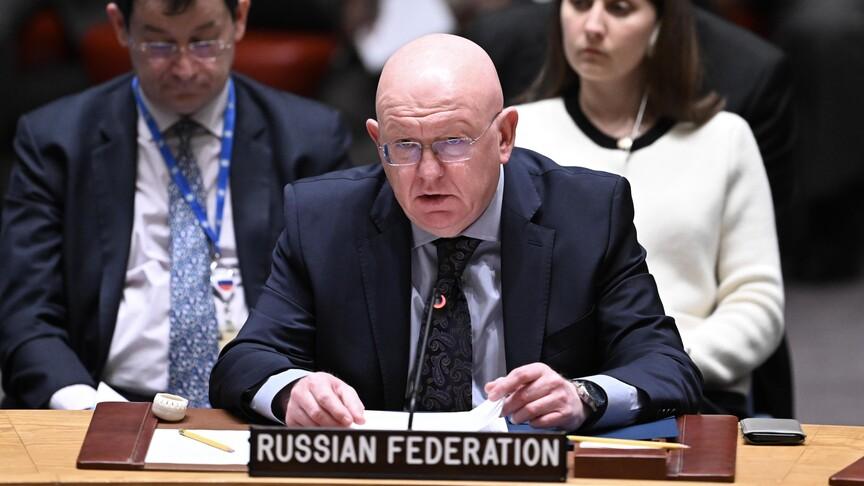
The United States denied visas to Russian Deputy Foreign Minister Alexander Alimov for a United Nations Security Council meeting in New York, leaving him unable to attend, Russia’s UN ambassador Vassily Nebenzia said during the session. Nebenzia said the Russian delegation had planned to be represented by Alimov, “who oversees matters related to the United Nations,” but “that visa was ultimately not granted,” as the meeting was chaired by China’s Foreign Minister Wang Yi.
The controversy unfolded during a Security Council discussion on “Upholding the purposes and principles of the UN Charter and strengthening the UN-centered international system,” with the UN’s host-country obligations under the UN Headquarters Agreement at the center of the dispute. In the same meeting, Nebenzia also described the issue as disrespect toward the Chinese presidency of the Security Council and tied it to the topic under discussion, “that of the Charter of the United Nations.”

Nebenzia vs UN expectations
Nebenzia told the Security Council that the US decision violated obligations requiring the host country to provide access to officials from all member states, and he framed it as “an egregious instance of disrespect for the Chinese presidency of the Security Council.” UN spokesperson Farhan Haq responded that the UN expects “the host country to issue visas to all of those who need to participate in the activities of the United Nations at our headquarters here.”
The dispute also carried a wider diplomatic tone, with Nebenzia accusing “countries spearheaded by the West” of proposing “some kind of a (new) rules-based order,” instead of adhering to the UN Charter. At the same meeting, UN Secretary-General Antonio Guterres told the council that the world now faced “the highest number of conflicts since the founding of the United Nations at the end of World War Two,” and “new and uncharted risks to peace and security.”
What the dispute threatens
The visa controversy was explicitly linked to the UN Headquarters Agreement and the Security Council’s ability to function with member-state representation, with Nebenzia arguing the US should have provided access “barring none.” Nebenzia also used the moment to connect the Charter debate to broader security stakes, saying “The policy of remilitarisation is undermining the UN-centric international system” and warning that “This is a very dangerous trend.”
Wang Yi, chairing the meeting, said there was a need to “reinvigorate” the UN Charter amid rising global instability and conflict, warning that “a giant ship of global civilization is sailing into dangerous waters.” The episode also occurred alongside other visa-related disruptions, with Al Jazeera reporting that Iran’s Foreign Ministry said Abbas Araghchi “cancelled his participation in Tuesday’s Security Council meeting due to visa issues,” and that the US had imposed strict limits on the movement of the Iranian delegation during last year’s UN General Assembly in September 2025.