South America10 December, 20252 min read
United States Deploys F/A-18 Fighter Jets Over Gulf of Venezuela, Escalating Pressure on Maduro
This article is an automated aggregation of coverage from news outlets. Our editorials offer in-depth analysis curated by the NewsCord team.
U.S. deployed two Navy F/A-18 fighter jets over the Gulf of Venezuela. Jets circled the Gulf for about 30 minutes near Venezuelan airspace.

6 outlets told this the same way.
Outlets did split on Brazil Police Kill Suspect After 13 Kindergarteners Held Hostage In Curitiba →
U.S. patrols near Venezuela
U.S. F/A-18 Super Hornets flew patrols near the Gulf of Venezuela.
The maneuver was tracked publicly and described by U.S. officials as routine training meant to demonstrate operational reach, drawing attention across regional and international media.
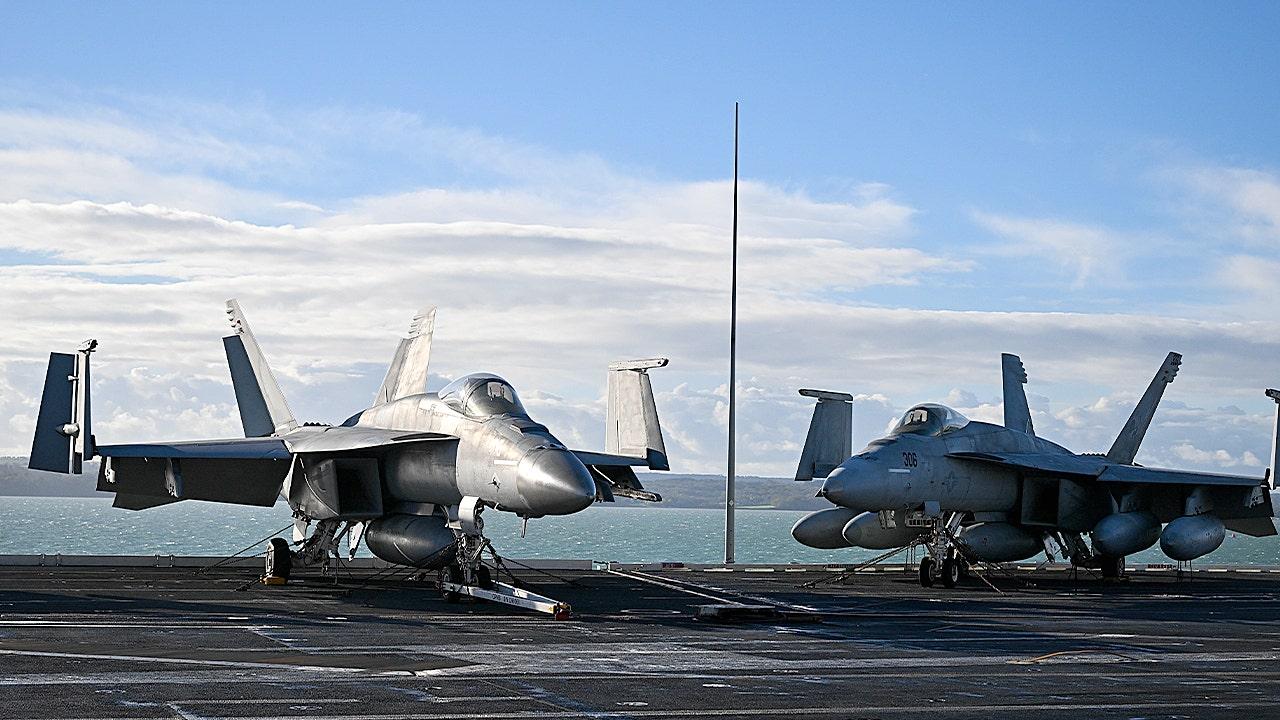
Flight-tracking sites and outlets reported the jets circled the Gulf for roughly 30–40 minutes.
This marked the closest American warplanes have come to Venezuelan territory in recent years, and U.S. defense officials emphasized the flights remained in international airspace.
The operation occurred amid an already heightened U.S. military presence in the region, including earlier B-52 and B-1 bomber patrols.
The broader U.S. buildup has prompted scrutiny and concern across the hemisphere.
U.S. strikes and reactions
The flights come amid a series of U.S. strikes on vessels the U.S. says were involved in drug smuggling from Venezuela. They also occur alongside a sustained pressure campaign by the Trump administration. News outlets note those strikes began earlier in the year.
The administration defends them as efforts to curb illicit trafficking, while Venezuela’s President Nicolás Maduro denies involvement. Reporting diverges on the human toll and congressional reaction. Some outlets highlight the administration’s framing and legal defense, while others detail casualties, calls for footage release, and demands for congressional scrutiny.

Contested jet flights
Accounts differ on how close the jets actually came to Venezuelan territory and how the flights were perceived locally. Flight-tracking coverage and South American media highlighted real-time tracking via FlightRadar24 and emphasized that the flights were visible to Venezuelans and regional observers.
U.S. officials, as reported by some outlets, insisted the missions remained in international airspace. That gap between public tracking and official characterization shaped contrasting narratives about whether this was a routine patrol or a provocative near-approach.
Venezuela diplomatic tensions
The incident intensified an already fraught diplomatic and political environment. President Trump warned Maduro that his 'days are numbered'. He advised airlines to treat the region as effectively closed, echoing FAA warnings.
Some U.S. lawmakers pledged legislation to bar military action if strikes continue. Mainstream U.S. outlets focused on the administration's posture and congressional pushback. International outlets underscored regional alarm and the potential for escalation tied to Venezuelan military operations.

Assessing Venezuela's defenses
Analysts quoted across outlets were cautious about Venezuela’s military capabilities. Some U.S. commentators argued Caracas’ forces may be more formidable on paper than in practice, noting that air and maritime threats — including Russian-made air defenses — are limited and could likely be neutralized early in a campaign. Other sources stressed the political sensitivity and human cost of previous strikes, underscoring why congressional scrutiny and demands for more transparency have intensified amid the U.S. buildup.