United States Deploys USS Gerald R. Ford Strike Group to Caribbean, Escalates Threat Against Venezuela

United States Deploys USS Gerald R. Ford Strike Group to Caribbean, Escalates Threat Against Venezuela

11 November, 202513 sources compared
South America

Key Points from 13 News Sources

  1. 1

    USS Gerald R. Ford carrier strike group deployed to Caribbean and Latin America waters

  2. 2

    Pentagon says deployment aims to disrupt illicit drug trafficking and transnational criminal networks

  3. 3

    Venezuelan government raised military alert and ordered forces to full operational readiness

Full Analysis Summary

U.S. Caribbean Carrier Deployment

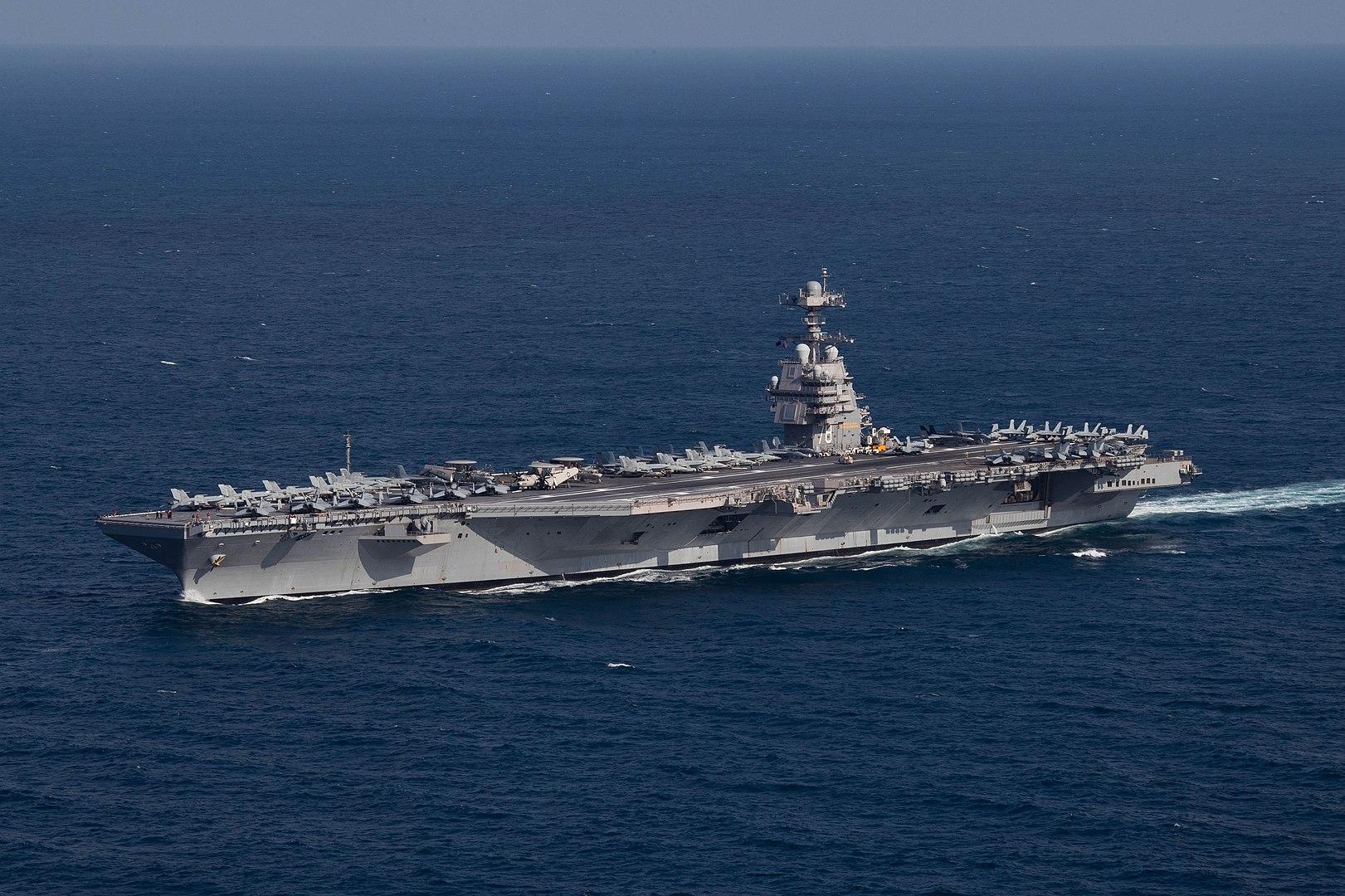
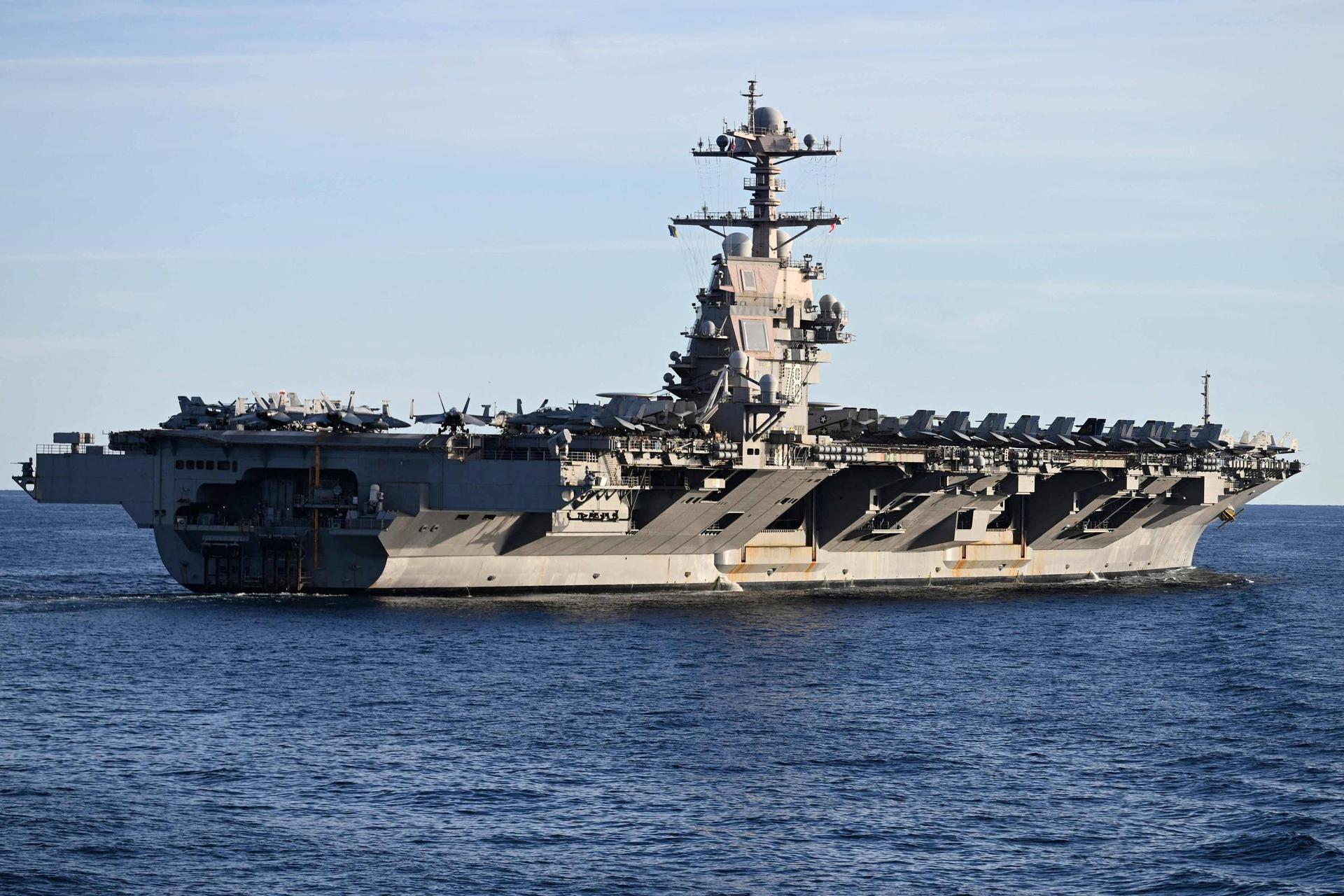
The United States has deployed the carrier strike group centered on the USS Gerald R. Ford into Caribbean waters.

U.S. officials describe the move as part of an intensified effort to detect, monitor and disrupt illicit maritime drug trafficking.
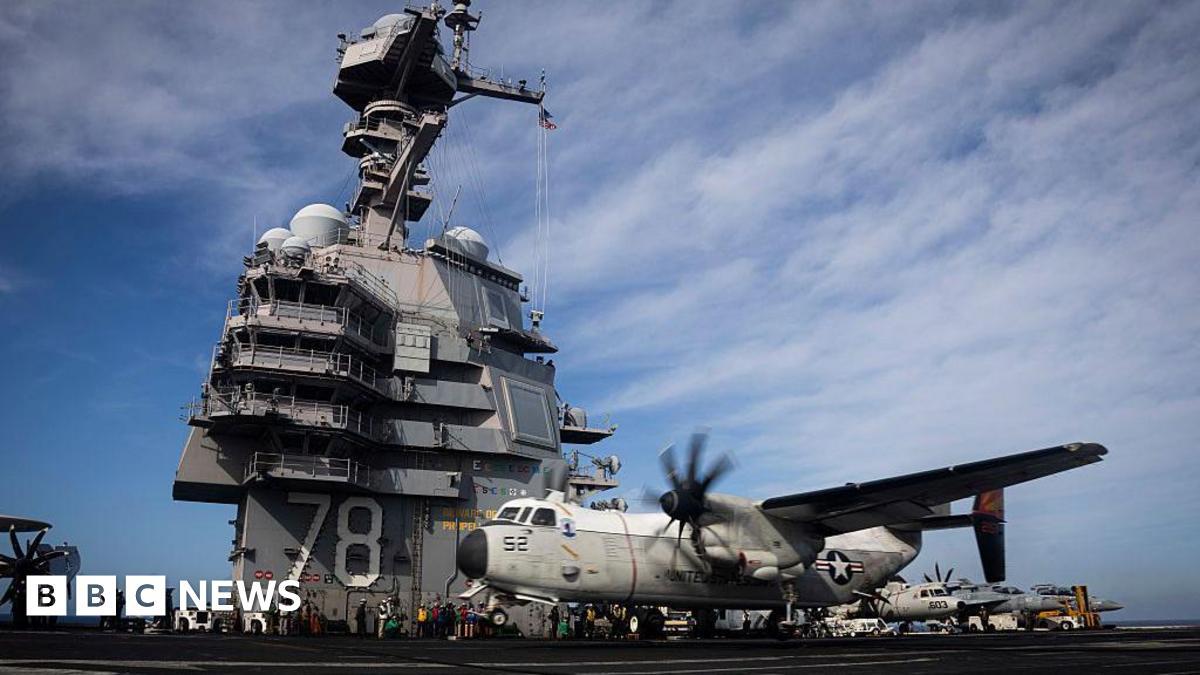
U.S. Navy and Defense Department statements and media coverage note the carrier joined an already substantial U.S. presence in the region, including destroyers, a guided-missile cruiser, amphibious ships and a submarine.

Officials say the strike group will operate in U.S. Southern Command's area.

Media reports frame the deployment as the largest U.S. military presence in and around Latin America in decades.

This summarizes the immediate deployment and the official mission framing.

Coverage Differences

Tone/narrative emphasis

Sources vary on emphasis: some focus on the official anti‑narcotics rationale (U.S. officials and Defense spokespeople), while others foreground the scale of the military presence and regional unease. For example, Space War News and TRT World report the Defense Department’s mission language — 'detect, monitor and disrupt illicit actors' and disrupting narcotics trafficking — while BBC highlights the deployment as joining 'the largest US military presence in and around Latin America in decades.' SSBCrack reports the arrival more bluntly without broader context. These differences reflect source_type: Western Alternative and West Asian outlets amplify official mission language and operational details, whereas Western Mainstream highlights scale and regional significance, and Other outlets provide terse reports.

U.S. maritime strikes overview

The deployment comes amid an ongoing U.S. campaign of strikes on vessels the U.S. government says were suspected of drug trafficking.

Multiple outlets report the Pentagon or U.S. officials count roughly 19 to 20 strikes in the Caribbean and eastern Pacific and attribute around 76 deaths to those actions.

However, several reports note the Pentagon has not publicly produced definitive evidence that the targeted boats carried drugs or posed imminent threats.

Human-rights and U.N. experts are cited by some outlets as raising legal and due-process concerns about lethal actions at sea.

This outlines the operational backdrop: strikes, casualties and legal concerns.
Coverage Differences

Fact/figure variation

Sources differ slightly on the count of strikes and the description of evidence: BBC, TRT World and Space War News report 'at least 19 strikes' and 'about 76 deaths,' while lnginnorthernbc.ca and one summary say 'about 20 vessels have been struck' and stress that 'the Pentagon has not publicly produced evidence' verifying the boats carried drugs. This is not a direct contradiction on casualties but a small numeric variation and a difference in emphasis on evidentiary transparency.

Narrative framing

Western Alternative and Other sources (e.g., Straight Arrow News and lnginnorthernbc.ca) give greater weight to legal concerns and the lack of publicly presented evidence, while Western Mainstream outlets (BBC) emphasize the U.S. rationale and casualty figures. The distinction is one of emphasis rather than outright factual contradiction.

Venezuelan response to U.S. buildup

Venezuela has responded with heightened military readiness and political warnings.

The defense minister reportedly ordered the armed forces into complete operational readiness and said the country was entering a superior phase of Plan Independencia 200.

Senior Chavista statements warned of entering an armed phase of the revolutionary process and President Maduro threatened mass mobilization, often saying millions would take to the streets.

These accounts underscore Caracas's framing of the U.S. buildup as an imperial threat and a potential prelude to regime-change efforts.

Coverage Differences

Quote-source attribution

Different outlets attribute Venezuelan language and threats with varying specificity and context: Colombia One (Other) quotes Defense Minister Vladimir Padrino López saying the armed forces were placed on 'complete operational readiness' and that the country is moving into a 'superior phase' of Plan Independencia 200. EL PAÍS (Western Alternative) reports Chavista leaders saying they would enter an 'armed phase of the revolutionary process' and quotes Maduro calling the working class 'the country's "greatest shield against imperialist aggression."' The Straits Times (Asian) supplies the stark quote that Maduro warned the intervention would mobilize 'millions of men and women with rifles'—each source reports Venezuelan claims but frames them differently.

On‑the‑ground tone

EL PAÍS notes that despite leaders’ warnings, the 'day‑to‑day situation appears calm' and that many people express disbelief, whereas outlets focused on official statements highlight mobilization orders and rhetoric. This reflects a difference between reporting political rhetoric and reporting social atmosphere.

International response and fallout

The deployment and the strikes provoked international friction and varied responses from allies and adversaries.

Reporting indicates a strain on intelligence sharing, with one report saying the U.K. limited cooperation to avoid being implicated and Colombia suspending intelligence sharing with U.S. agencies until the strikes stop.

Russia publicly condemned the strikes as "lawless."

Independent U.N. experts are cited describing the strikes as potentially illegal or "extrajudicial," highlighting diplomatic and legal fallout that extends beyond bilateral U.S.-Venezuela tensions.

Coverage Differences

Scope of diplomatic fallout

Sources differ in how they describe international reactions and their intensity: lnginnorthernbc.ca and TRT World emphasize specific diplomatic rifts — the U.K. reportedly limiting intelligence sharing and Russia’s condemnation — while BBC highlights Colombia’s suspension of intelligence sharing and broader regional concerns. Space War News and Straight Arrow News mention reactions from multiple countries but focus more on operational details. These differences reflect source_type emphasis: Other and West Asian outlets underline diplomatic consequences, Western Mainstream centers on concrete policy moves by regional partners, and Western Alternative highlights legal/diplomatic critiques.

Media coverage differences

Coverage varies notably by source type, producing different reader impressions.

Western mainstream outlets (e.g., BBC) combine reporting of U.S. claims, casualty tallies, and regional policy responses.

Western alternative outlets (e.g., EL PAÍS English, Straight Arrow News, Space War News) foreground Venezuelan political responses, legal critiques, and contextualize the strikes as part of a broader U.S. pressure campaign.

Other and Asian outlets (SSBCrack, lnginnorthernbc.ca, The Straits Times) range from terse arrival notices to extended summaries that stress unanswered evidentiary questions or vivid Venezuelan rhetoric.

These tonal and framing differences shape whether the story reads primarily as an anti‑narcotics operation, a dangerous regional escalation, or a contested legal and diplomatic episode.
Coverage Differences

Framing and editorial focus

Western Mainstream (BBC) frames the story around operational scale and regional response; Western Alternative (EL PAÍS English, Straight Arrow News) emphasizes political context in Venezuela and legal concerns; Other outlets like SSBCrack provide brief operational notices without broader analysis, while lnginnorthernbc.ca highlights evidentiary gaps and diplomatic repercussions. Each source reports many of the same facts but selects different emphases consistent with source_type.

All 13 Sources Compared

BBC

US aircraft carrier group arrives in Caribbean

Read Original

Colombia One

Venezuela Raises Military Alert as US carrier Gerald Ford Arrives in the Caribbean

Read Original

dw

US warship nears Latin America amid rising tensions

Read Original

EL PAÍS English

Maduro raises military alert in Venezuela amid escalating tensions with the United States

Read Original

Folha de S.Paulo

world

Read Original

lnginnorthernbc.ca

Aircraft carrier joins US operation against drug trafficking in Latin America

Read Original

Space War News

U.S. carrier strike force positioned in waters near Venezuela

Read Original

SSBCrack News

USS Gerald R Ford Strike Group Arrives in Caribbean Amid Drug Trafficking Operations and Rising Tensions with Venezuela

Read Original

Straight Arrow News

Ford carrier deployed to Latin America aimed at disrupting drug trade

Read Original

The Mirror

BREAKING: Donald Trump moves huge aircraft carrier closer to Venezuela amid attack rumours

Read Original

The Straits Times

U.S. aircraft carrier moves into Latin America region, escalating tensions with Venezuela

Read Original

TRT World

US deploys world's largest aircraft carrier in Latin America, soaring tensions with Venezuela

Read Original

UnionLeader

US aircraft carrier moves into Latin America region, escalating Venezuela tensions

Read Original